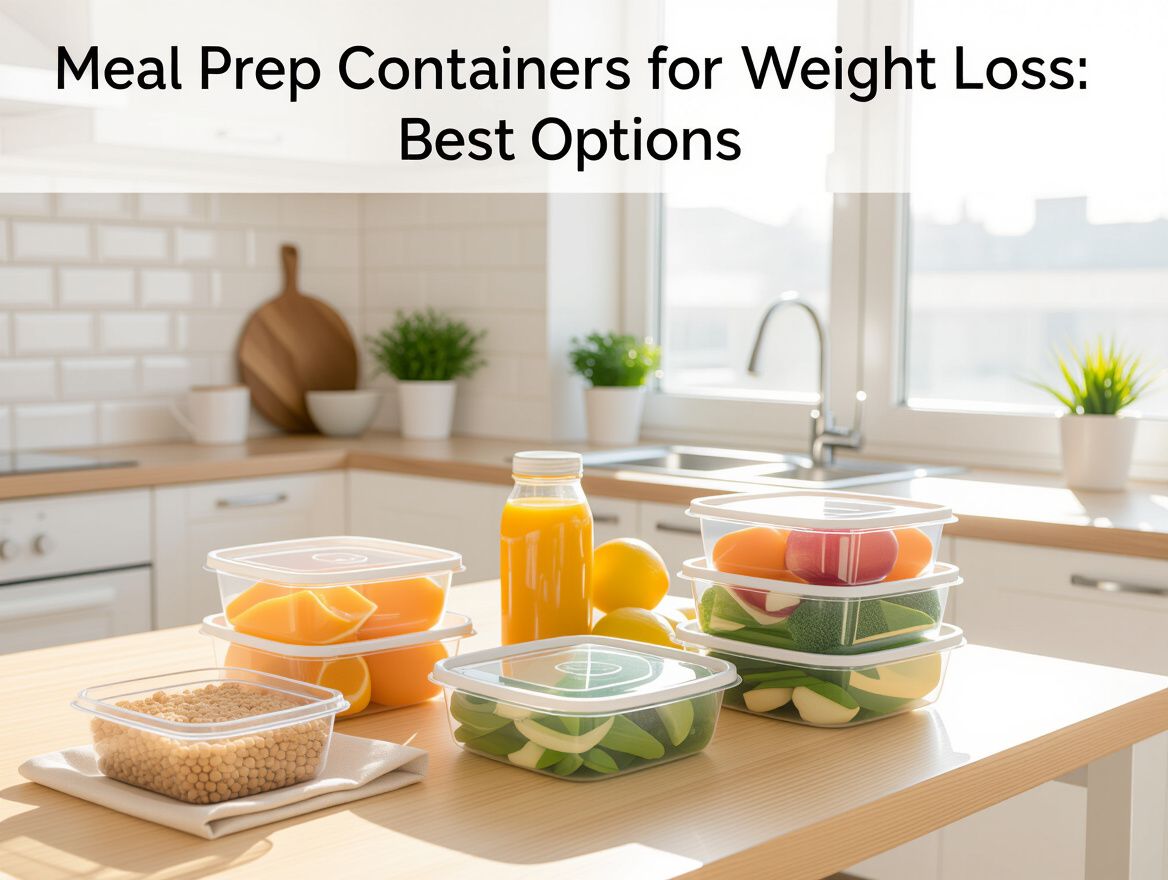
Benefits of Using Stainless Steel Meal Prep Containers
Why Choose Stainless Steel Meal Prep Containers?
As the trend towards sustainable living continues to grow, stainless steel meal prep containers have emerged as a popular choice among home cooks and meal prep enthusiasts. These containers not only contribute to a more eco-friendly kitchen but also offer several advantages over traditional plastic options.
Environmental Impact
- Reduced Plastic Waste: By opting for stainless steel, you help decrease the reliance on single-use plastics, which contribute significantly to environmental pollution.
- Longevity: Stainless steel containers are built to last, reducing the need for frequent replacements and further minimizing waste.
Benefits of Stainless Steel
- Durability: Stainless steel is resistant to rust, corrosion, and staining, ensuring your containers remain in excellent condition over time.
- Safety: Unlike some plastics, stainless steel does not leach harmful chemicals into food, making it a safer option for storing meals.
- Non-Staining and Odor Resistant: These containers maintain their appearance and do not absorb food odors, keeping your meals fresh and appealing.
Market Demand for Sustainable Options
The increasing consumer awareness regarding health and environmental issues has led to a surge in demand for sustainable food storage solutions. Stainless steel meal prep containers are not only eco-friendly but also align with the preferences of health-conscious individuals seeking durable and safe storage alternatives.
In summary, choosing stainless steel meal prep containers can be a smart investment for those looking to enhance their meal prep routine while making environmentally responsible choices.
Key Benefits of Stainless Steel Meal Prep Containers
Stainless steel meal prep containers present several advantages over their plastic and glass counterparts, making them a favored choice for home cooks and meal prep enthusiasts. Understanding these benefits can help you make an informed purchasing decision.
Durability and Longevity
One of the standout features of stainless steel meal prep containers is their exceptional durability. Unlike plastic, which can warp or crack over time, stainless steel is resistant to wear and tear, ensuring that your containers last for years. This longevity can translate to cost savings over time, as you won't need to replace them as frequently.
Chemical Safety and Food Preservation
Stainless steel is a non-reactive material, meaning it does not leach chemicals into your food. This is particularly important for those concerned about the potential hazards associated with plastics, such as BPA and phthalates. Additionally, stainless steel containers help preserve the taste and quality of your food, making them ideal for storing a variety of meals without the risk of absorbing odors or flavors.
Ease of Cleaning and Maintenance
Cleaning stainless steel containers is generally straightforward. They are typically dishwasher-safe and do not stain or retain odors like plastic can. This makes them a practical option for busy home cooks who want to minimize cleanup time. However, it's worth noting that while they are resistant to staining, they may require occasional polishing to maintain their shine.
Considerations and Trade-offs
While the benefits are significant, there are trade-offs to consider. Stainless steel containers can be heavier than plastic options, which may be a factor if you plan to transport meals frequently. Additionally, they are not microwave-safe, limiting their use for reheating food. Understanding these limitations can help you assess whether stainless steel meal prep containers fit your specific needs.
Understanding the Trade-offs of Stainless Steel Containers
When considering stainless steel meal prep containers, it's important to weigh their benefits against potential downsides. While these containers are durable and eco-friendly, there are specific trade-offs that may influence your purchasing decision.
-
Weight and Portability: Stainless steel containers are generally heavier than their plastic counterparts. If you're planning to carry meals for lunch or on-the-go, the added weight might be a concern. This could affect how easily you can transport your meals, especially if you're using multiple containers.
-
Cost Considerations: The initial investment for stainless steel containers is typically higher than for plastic ones. While they are more durable and can last significantly longer, the upfront cost may deter some buyers. It's essential to evaluate whether the long-term savings on replacements justify the higher initial price.
-
Seams and Lids: One common issue with stainless steel containers is the potential for seams and lids to deteriorate over time. Containers that are not seamless may have joints that can trap food particles, leading to hygiene concerns. Additionally, poorly designed lids may not seal properly, which could result in leaks. Choosing high-quality, seamless options can mitigate this risk, but it's an important factor to consider when making your selection.
By understanding these trade-offs, you can make a more informed decision about whether stainless steel meal prep containers are the right choice for your meal storage needs.
Buying Criteria for Stainless Steel Meal Prep Containers
When considering stainless steel meal prep containers, it's essential to evaluate several key criteria to ensure you make an informed purchase. Here’s a checklist of features and specifications to guide your decision:
-
Material Grade and Construction Quality:
- Look for containers made from high-quality stainless steel, such as 304 (18-8) grade, which is known for its durability and resistance to rust and corrosion.
- Ensure that the construction is solid, with well-sealed seams to prevent leaks and enhance longevity.
-
Size Options and Capacity:
- Assess the different sizes available to find options that fit your meal prep needs. Common capacities range from small (around 20 fl oz) to larger containers (up to 40 fl oz or more).
- Consider whether you need single-compartment containers for individual meals or multi-compartment designs for varied portions.
-
Leak-Proof and Microwave-Safe Features:
- Verify that the containers are leak-proof, especially if you plan to transport meals. Look for features like silicone seals that enhance containment.
- While many stainless steel options are not microwave-safe, some brands offer specific models that are designed to be microwave-safe, allowing for convenient reheating of meals.
By keeping these criteria in mind, you can better navigate the options available in the market and select stainless steel meal prep containers that best meet your cooking and storage needs.
Frequently Asked Questions About Stainless Steel Meal Prep Containers
When considering stainless steel meal prep containers, potential buyers often have specific concerns and questions. Addressing these can help clarify their advantages and limitations.
What problems do stainless steel containers solve?
Stainless steel meal prep containers effectively address several issues associated with plastic alternatives:
- Chemical Leaching: Unlike plastic containers, stainless steel does not leach harmful chemicals into food, making it a safer choice for meal storage.
- Durability: These containers are less prone to damage compared to plastic, which can crack or warp over time.
- Odor and Stain Resistance: Stainless steel does not absorb odors or stains, ensuring your meals maintain their intended flavors and appearances.
Are they microwave-safe?
Generally, stainless steel meal prep containers are not microwave-safe. Metal can cause sparks and fires in microwaves, making these containers unsuitable for reheating food. It's important to consider alternative heating methods, such as using a stovetop or oven.
How do they compare to plastic and glass containers?
Stainless steel containers offer unique benefits and trade-offs compared to plastic and glass options:
- Weight: Stainless steel is typically lighter than glass, making it easier to transport, though it can be heavier than plastic.
- Durability: While glass can shatter, stainless steel is more resistant to impact. However, it may show wear over time, particularly at seams and joints.
- Safety: Stainless steel is free from BPA and other harmful chemicals found in some plastics, while glass is non-reactive but may not be as convenient for travel due to weight.
- Cost: Stainless steel containers often have a higher initial cost compared to plastic but can be more economical in the long run due to their durability and lifespan.
Understanding these factors can aid in making an informed decision about whether stainless steel meal prep containers are the right fit for your needs.
Making an Informed Decision on Stainless Steel Meal Prep Containers
Choosing stainless steel meal prep containers can significantly enhance your kitchen experience, but it's essential to weigh the benefits against the trade-offs. Here’s a summary to guide your decision-making process:
-
Durability and Longevity: Stainless steel containers are known for their resilience against rust, corrosion, and staining. They often last longer than plastic options, making them a worthwhile investment over time.
-
Health and Safety: Unlike plastic, stainless steel does not leach chemicals into food, ensuring a safer meal storage solution. This is especially crucial for those concerned about health implications associated with certain plastics.
-
Environmental Impact: By opting for stainless steel, you contribute to reducing plastic waste. These containers are reusable and recyclable, aligning with eco-friendly practices.
However, consider these trade-offs:
-
Weight: Stainless steel containers can be heavier than their plastic counterparts, which may affect portability. If you're frequently on the go, this could be a significant factor.
-
Cost: The upfront investment for stainless steel containers tends to be higher than plastic. While they offer long-term savings due to their durability, the initial expense can be a barrier for some buyers.
-
Microwave Safety: Many stainless steel containers are not suitable for microwave use, limiting their versatility compared to plastic options.
Ultimately, assess your specific needs—whether you prioritize durability, environmental responsibility, or safety—and consider how these factors align with your meal prep habits. Focusing on quality will ensure you choose containers that serve you well in the long run.

More in Meal Prep Containers
View All