Best Pressure Cookers for Canning: A Comprehensive Guide
Understanding Canning Pressure Cookers
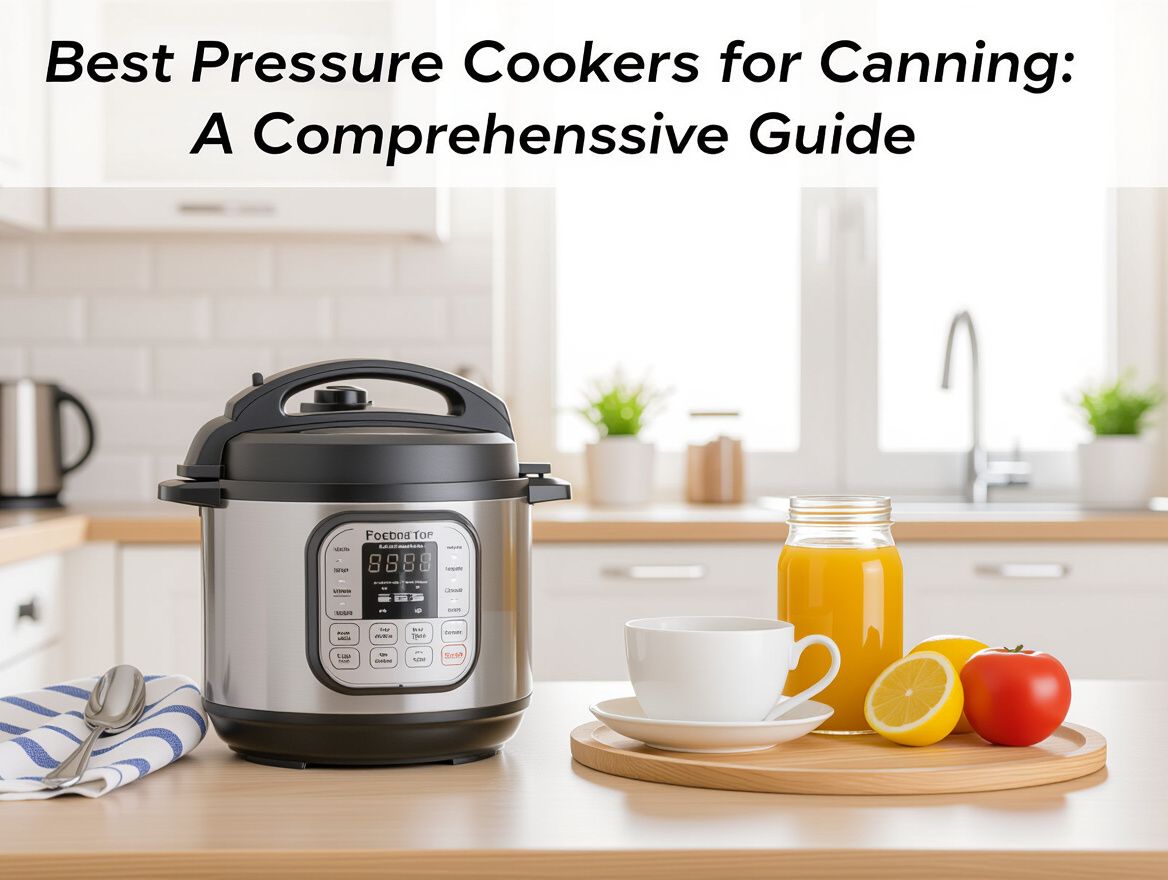
Canning pressure cookers are specialized appliances designed specifically for the safe preservation of food through canning. Unlike regular pressure cookers, which are primarily used for cooking, canning pressure cookers are larger and engineered to maintain stable processing times, temperatures, and pressures that meet safety guidelines for food preservation. This distinction is crucial for ensuring that canned foods are safe for long-term storage.
When selecting a canning pressure cooker, safety and efficiency are paramount. Here are key considerations:
- Capacity: Choose a canning pressure cooker that can accommodate at least 9 pints or 7 quarts. This size is essential for processing standard canning jars effectively.
- Material and Construction: Look for durable materials that ensure even heat distribution and prevent warping over time.
- Safety Features: Ensure the cooker has reliable sealing mechanisms and pressure gauges. These features help maintain the appropriate pressure levels and prevent accidents during the canning process.
- Electric vs. Stovetop: Consider whether you prefer an electric pressure canner, which offers convenience but may have limitations, or a stovetop model, which generally provides more flexibility in pressure management.
Understanding these factors can help you choose the right canning pressure cooker that meets your food preservation needs while adhering to safety standards.
Key Buying Criteria for Canning Pressure Cookers
When selecting a pressure cooker specifically for canning, it's essential to consider several key features to ensure safe and effective food preservation. Here’s a checklist of criteria to help guide your decision:
-
Capacity:
- Look for a minimum capacity of 9 pints or 7 quarts. Larger models can process more jars at once, which is critical for efficiency, especially if you plan to can in bulk.
-
Material and Construction:
- Choose a pressure cooker made from durable materials like stainless steel or heavy-gauge aluminum. These materials not only retain heat effectively but also provide longevity and resistance to warping.
-
Safety Features:
- Ensure the cooker has reliable pressure release mechanisms and secure sealing capabilities. Safety features are vital to prevent accidents during the canning process. Check for models that include a pressure gauge and a locking lid for enhanced safety.
-
Compatibility with Heat Sources:
- Verify that the pressure cooker is compatible with your stovetop type. For example, some pressure cookers may not perform well on induction cooktops, which can limit your options if you use this type of stove.
-
Manufacturer Guidelines:
- Always refer to the manufacturer’s guidelines regarding canning. Not all pressure cookers are suitable for this purpose, and following proper instructions is crucial to ensure food safety.
By considering these criteria, you can select a canning pressure cooker that meets your needs while ensuring safe food preservation practices.
Trade-offs and Considerations
When selecting a pressure cooker for canning, understanding the trade-offs between electric and stovetop models is crucial. Each type offers distinct advantages and disadvantages that can impact your canning experience.
Electric vs. Stovetop Models
- Electric Pressure Cookers: These are user-friendly with preset functions, making them ideal for beginners. However, they often have a smaller capacity and may not reach the high temperatures required for safe canning as effectively as stovetop models.
- Stovetop Pressure Cookers: Generally larger and capable of achieving higher pressures, stovetop cookers are often recommended for canning. They provide better temperature control but require more attention during the canning process and are not as convenient as their electric counterparts.
Size Implications
- Capacity: Larger models can accommodate more jars at once, significantly reducing the time spent canning. However, they can be cumbersome and require more storage space. Smaller models are easier to handle but may necessitate multiple batches, which can be time-consuming.
- Usability: Consider your kitchen layout and storage capabilities. A larger canner might be ideal for frequent canning, but if space is limited, a smaller unit might be more practical.
Price vs. Features
- Budget: Prices for canning pressure cookers vary widely. While it might be tempting to opt for a budget model, ensure it meets safety standards and offers necessary features for effective canning.
- Feature Set: Look for features like a reliable sealing system and a pressure gauge. More expensive models often come with advanced features, but balance these with your actual canning needs to avoid overspending on unnecessary functions.
By weighing these factors, you can make an informed decision that aligns with your canning goals and kitchen capabilities.
Risks and Safety Concerns
Canning food using pressure cookers involves specific risks that need careful consideration to ensure food safety. The USDA provides clear recommendations to guide home canners in selecting the appropriate equipment and methods for safe food preservation. Here are some critical safety concerns to keep in mind:
-
USDA Recommendations: The USDA does not endorse using standard pressure cookers for canning. Instead, it recommends using pressure canners that can maintain the necessary temperature and pressure to safely process low-acid foods. This distinction is vital, as improper canning can lead to foodborne illnesses.
-
Common Pitfalls: Many novice canners may overlook essential steps, such as ensuring the pressure canner is adequately sealed or failing to follow processing times outlined in canning recipes. These oversights can lead to under-processed food, which may not be safe for consumption.
-
Manufacturer Guidelines: Each pressure canner has specific instructions that must be followed meticulously. This includes details on how to load jars, adjusting for altitude, and monitoring pressure levels during the canning process. Ignoring these guidelines can compromise the safety of the canned goods.
-
Electric vs. Stovetop Models: While electric pressure canners may seem convenient, not all are recommended for canning. It's essential to verify that any electric model meets USDA safety standards for canning. Stovetop models generally offer more control over pressure management but require more attention and experience.
Understanding these risks and adhering to safety guidelines can significantly reduce the potential for food safety issues when canning with pressure cookers. Always prioritize safety by selecting the right equipment and following established procedures.
Frequently Asked Questions about Canning Pressure Cookers
When considering canning pressure cookers, potential buyers often have questions related to their safety, functionality, and maintenance. Here are some common inquiries to guide your decision-making process.
Can all pressure cookers be used for canning?
Not all pressure cookers are suitable for canning. The USDA recommends using a pressure canner that is specifically designed for this purpose, as these canners are larger and maintain stable temperatures and pressures necessary for safe food preservation. Standard pressure cookers may not achieve the required pressure levels or may not be able to accommodate the necessary volume of jars, which can compromise food safety.
Are electric pressure cookers safe for canning?
Electric pressure cookers can be used for canning, but it’s essential to ensure that they meet USDA guidelines. As of April 2023, only a few electric models, such as the Nesco/Carey Digital Pressure Cooker and Canner and the Presto Precise Digital Pressure Canner, have been approved for canning. Always check the manufacturer’s instructions and ensure that your electric pressure cooker is designed for canning to avoid safety risks.
What are the best practices for maintaining a pressure canner?
Proper maintenance of your pressure canner is vital for ensuring its longevity and safe operation. Here are some best practices:
- Regular Inspection: Check the sealing ring, pressure gauge, and safety valves for wear and tear before each use.
- Cleaning: After each use, clean the canner thoroughly to prevent food residue buildup, which can affect performance.
- Storage: Store your canner in a cool, dry place, and avoid stacking heavy items on top of it to prevent damage.
- Follow Guidelines: Always adhere to the manufacturer’s guidelines for usage and maintenance to ensure safe canning practices.
By addressing these frequently asked questions, you can make informed decisions about which canning pressure cooker best suits your needs and how to use it safely.
Conclusion: Choosing the Right Canning Pressure Cooker
Selecting the right canning pressure cooker is crucial for ensuring your food preservation efforts are both safe and effective. Given the unique requirements of canning, it's essential to prioritize safety guidelines and your specific needs when making a choice.
Here are key takeaways to consider:
- Safety First: Always opt for pressure cookers specifically designed for canning. Regular pressure cookers may not meet the necessary standards for safe food preservation.
- Capacity Matters: Depending on your canning goals, choose a model that accommodates the volume of jars you typically preserve. A larger capacity can save time and effort during the canning process.
- Material and Durability: The construction of your canner impacts its longevity and performance. Look for durable materials that can withstand high pressure and heat.
- Electric vs. Stovetop: Weigh the pros and cons of electric canners versus stovetop models. Electric canners offer convenience, while stovetop versions provide more control over pressure levels.
By aligning your choice with these considerations, you can confidently invest in a canning pressure cooker that meets your food preservation needs while adhering to safety standards.
More in Pressure Cookers
View All