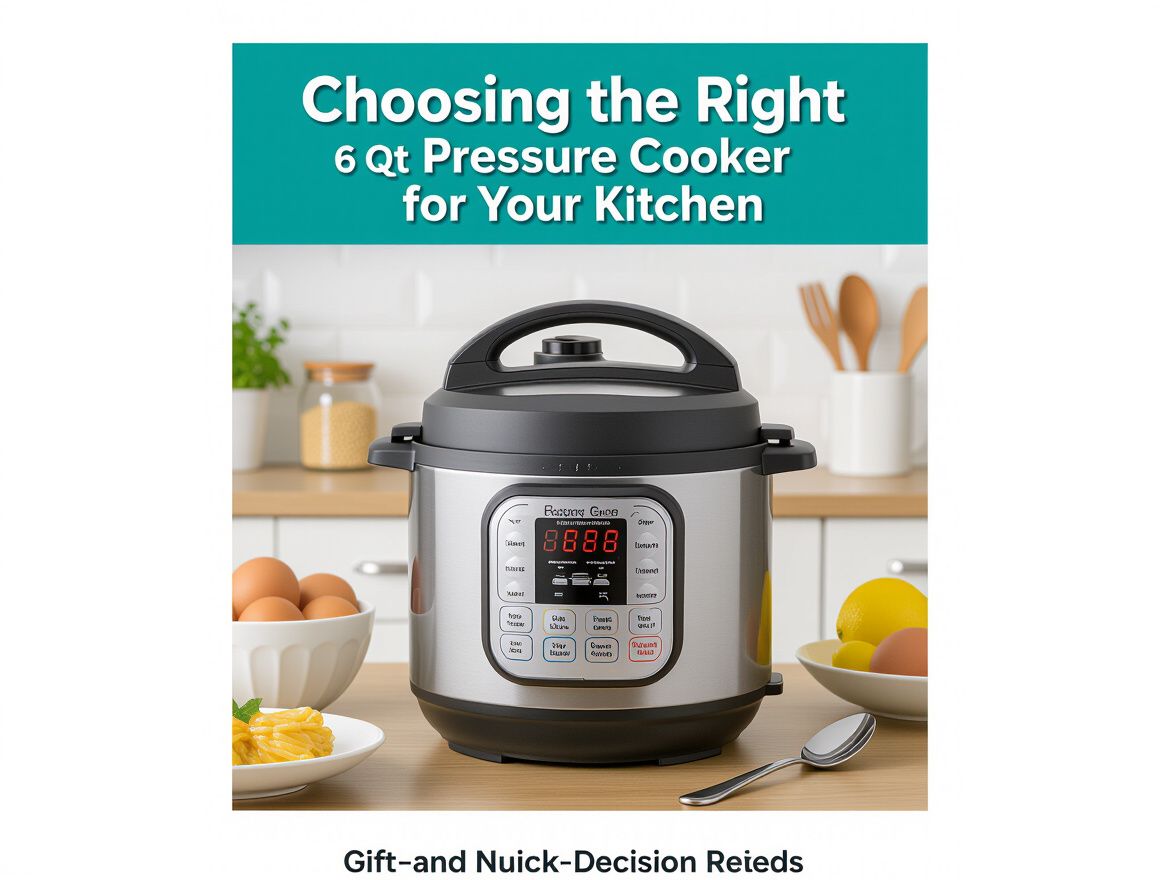
Choosing the Right 6 Qt Pressure Cooker for Your Kitchen
Why Choose a 6 Qt Pressure Cooker?
A 6-quart pressure cooker is an excellent choice for families, particularly those with three to four members. This size strikes a balance between capacity and manageability, making it ideal for everyday meal preparation without overwhelming the kitchen space.
Versatility in Cooking Methods
6 qt pressure cookers are designed to handle a variety of cooking techniques, from pressure cooking and slow cooking to sautéing and even steaming. This versatility allows home cooks to prepare a wide range of dishes, including:
- Soups and stews: Perfect for hearty family meals.
- Rice and grains: Achieve fluffy results quickly.
- Meats and legumes: Tenderize tough cuts in a fraction of the time.
Common Uses and Dishes Prepared
Families often turn to 6-quart pressure cookers for their efficiency and convenience. Common dishes include:
- Chili: A one-pot meal that can feed the whole family.
- Pulled pork or chicken: Ideal for sandwiches or tacos.
- Vegetable medleys: Quick, nutritious sides that complement any main dish.
When considering a pressure cooker, think about your family's specific cooking needs and habits. A 6 qt model can simplify meal prep while offering the flexibility to experiment with new recipes.
Key Features to Consider
When selecting a 6 qt pressure cooker, it's crucial to evaluate specific features that align with your cooking needs and safety preferences. Here’s a checklist to guide your decision-making:
-
Material:
- Stainless Steel: Durability and resistance to staining. It often provides better heat distribution.
- Non-Stick: Easier to clean but may not be as durable and could affect the longevity of the cooker.
-
Safety Features:
- Pressure Release Valve: Essential for controlled pressure release; check for ease of use.
- Lid Locking Mechanism: Ensure it securely locks during cooking to prevent accidents.
-
Additional Functions:
- Sauté Function: Allows for browning ingredients before pressure cooking, enhancing flavor.
- Slow Cook and Steam Options: Versatility for different cooking styles; consider if you want a multi-functional appliance.
-
Ease of Cleaning and Maintenance:
- Look for models with removable parts that are dishwasher safe for hassle-free cleaning.
- Consider the sealing ring and float valve; these components should be easy to access for cleaning and replacement.
By carefully assessing these features, you can choose a pressure cooker that not only fits your family size and cooking habits but also ensures safety and convenience in your kitchen.
Understanding Different Types of Pressure Cookers
When selecting a 6 qt pressure cooker, it's crucial to understand the various types available, as each has distinct advantages and limitations. The three main categories are electric pressure cookers, stovetop models, and multi-cookers. Each type caters to different cooking styles and preferences, making it essential to evaluate which aligns best with your kitchen needs.
Electric Pressure Cookers
Pros:
- Ease of Use: Electric models often come with pre-programmed settings, making them user-friendly for beginners.
- Safety Features: Many include automatic pressure release and locking lids, reducing the risk of accidents.
- Versatility: They can often replace multiple appliances, such as slow cookers and rice cookers.
Cons:
- Power Dependency: They require an electrical outlet, which may limit placement in the kitchen.
- Longer Heat-Up Time: Electric models can take longer to reach pressure compared to stovetop versions.
Stovetop Pressure Cookers
Pros:
- Faster Cooking: Stovetop models generally reach higher pressure levels more quickly, reducing cooking time.
- Better Temperature Control: They offer more precise heat adjustments, allowing for better browning and sautéing.
Cons:
- Learning Curve: They may require more skill to operate safely and effectively, especially for beginners.
- Less Versatile: Primarily designed for pressure cooking, they do not typically offer the multi-functionality of electric models.
Multi-Cookers
Pros:
- All-in-One Functionality: These devices combine pressure cooking, slow cooking, sautéing, and sometimes even air frying capabilities, making them incredibly versatile.
- Space-Saving: Ideal for kitchens with limited counter space, they reduce the need for multiple appliances.
Cons:
- Complexity: The multitude of features can make them overwhelming for some users, particularly those who prefer straightforward cooking methods.
- Potential for Overuse: With so many functions, there's a risk of relying too heavily on one appliance, which may not always yield the best results for specific cooking tasks.
Conclusion
Choosing the right pressure cooker involves balancing your cooking habits, family size, and the features you prioritize. Electric pressure cookers are excellent for safety and convenience, stovetop models offer speed and control, and multi-cookers provide versatility. By understanding these differences, you can make a more informed decision that aligns with your kitchen needs and lifestyle.
Common Risks and Trade-offs
When selecting a 6 qt pressure cooker, it's essential to understand the potential risks and trade-offs that may influence your decision. While these appliances can significantly enhance your cooking efficiency, being aware of common issues can help you make an informed choice.
Safety Concerns with Pressure Release
One of the primary risks associated with pressure cookers is the safety of the pressure release mechanism. Improperly releasing pressure can lead to steam burns or even accidents if the lid is opened too soon. Always ensure you follow the manufacturer’s guidelines for safe pressure release, including allowing adequate time for natural release when necessary.
Common Malfunction Points
Pressure cookers have specific components that are prone to malfunction. Key areas to monitor include:
- Float Valve: This component indicates when the cooker has reached the appropriate pressure. A malfunction can cause improper sealing, leading to steam leaks or failure to build pressure.
- Sealing Ring: Over time, the rubber sealing ring can wear out, affecting its ability to maintain pressure. Regular inspection and replacement are crucial for optimal performance.
Limitations of Capacity and Cooking Styles
While a 6 qt pressure cooker is versatile, it's important to recognize its limitations. This size is typically suitable for families of three to four, but if you frequently cook for larger gatherings, you may find the capacity restrictive. Additionally, certain cooking styles, like canning, may require specialized equipment or larger models to accommodate jars and ensure proper pressure levels.
In summary, understanding these risks and trade-offs can help you choose a 6 qt pressure cooker that aligns with your cooking needs while ensuring safety and reliability in your kitchen.
Frequently Asked Questions
When considering a 6 qt pressure cooker, potential buyers often have several questions that can influence their decision-making process. Here are some common inquiries and their answers:
What types of meals can be prepared?
A 6 qt pressure cooker is versatile and can accommodate a variety of meal types, making it suitable for many cooking styles. Here are some popular meal options:
- Soups and Stews: Quickly cook hearty soups and stews that can feed the family.
- Grains and Legumes: Prepare rice, quinoa, and beans efficiently, achieving perfect textures in a fraction of the time.
- Meats: Tenderize tougher cuts of meat, such as roasts or chicken, with ease.
- Casseroles: Create one-pot meals that combine various ingredients for simple cleanup.
How to maintain and clean a pressure cooker?
Proper maintenance is essential to ensure the longevity and safe operation of your pressure cooker. Here are key steps to follow:
- Regular Cleaning: After each use, clean the pot and lid with warm, soapy water. Pay special attention to the sealing ring and float valve, as food particles can accumulate.
- Inspect Sealing Ring: Regularly check the sealing ring for wear and tear. A damaged ring can lead to improper sealing and cooking issues.
- Follow Manufacturer Instructions: Always refer to the user manual for specific cleaning and maintenance guidelines tailored to your model.
What are the advantages of 6 qt over other sizes?
Choosing a 6 qt pressure cooker offers several advantages compared to smaller or larger models:
- Family Size Fit: Ideal for families of three to four, providing enough capacity for everyday meals without being cumbersome.
- Versatile Cooking: It strikes a balance between size and functionality, allowing for various cooking methods without taking up excessive counter space.
- Efficient Cooking Time: Compared to larger models, a 6 qt pressure cooker can heat up and cook food faster, saving time in meal preparation.
Understanding these aspects can help you make an informed decision when selecting a 6 qt pressure cooker that fits your family's cooking needs.
Making Your Decision
Choosing the right 6 qt pressure cooker hinges on understanding your family's cooking habits and preferences. As you evaluate your options, consider how the features of each model align with your specific needs, such as the types of meals you frequently prepare and any safety concerns you may have.
-
Cooking Needs: Reflect on your typical meal preparation. If you often cook for three to four people, a 6 qt model is ideal, providing ample space for one-pot meals without being cumbersome.
-
Feature Preferences: Think about which additional functions matter most to you. Would you benefit from sauté capabilities, or do you require a model that can also slow cook? Prioritizing these features can help narrow down your choices.
-
Safety Considerations: Familiarize yourself with the safety features of each cooker. Look for reliable pressure release mechanisms and secure locking systems to ensure safe operation during cooking.
-
Trade-offs: Be aware of the potential trade-offs. For instance, while stainless steel models offer durability, non-stick options may be easier to clean but less long-lasting. Weighing these factors against your cooking style is crucial.
In conclusion, carefully assess your cooking habits, desired features, and safety needs to find the perfect 6 qt pressure cooker for your kitchen. For tailored product recommendations that suit your criteria, check out the sticky product bar.
More in Pressure Cookers
View All