Containers for Meal Prep: What to Consider
Understanding Meal Prep Containers
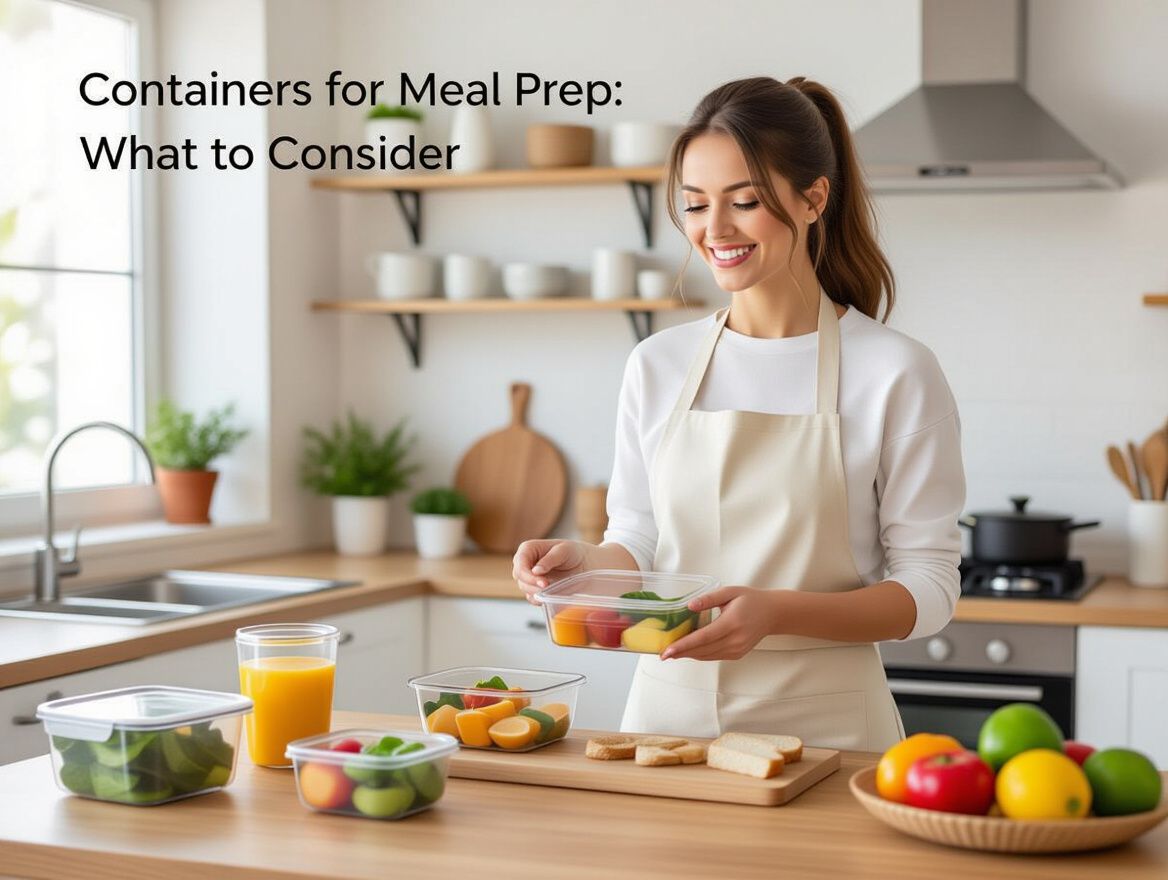
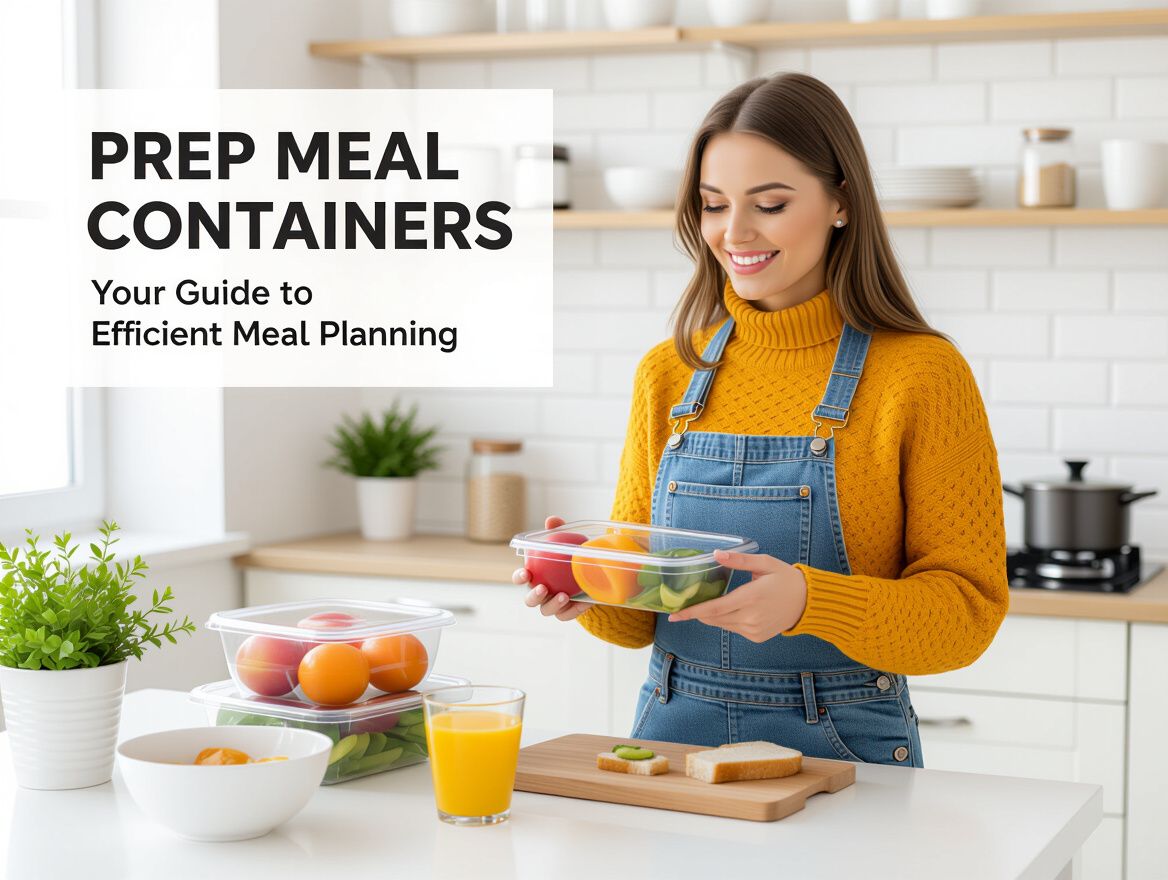
Choosing the right containers for meal prep is essential for efficient cooking, storage, and overall meal management. Meal prep containers are specifically designed to store pre-prepared meals, ensuring they remain fresh and organized. With the increasing trend of meal prepping among home cooks and health-conscious individuals, selecting the appropriate containers has become an integral part of the cooking process.
When considering containers for meal prep, several factors come into play:
- Material: Containers are typically made from glass, plastic, or silicone. Each material has its advantages and drawbacks regarding durability, safety, and ease of cleaning.
- Size and Shape: The right size and shape depend on your meal portions and storage space. Look for containers that fit well in your refrigerator or freezer while also accommodating the types of meals you prepare.
- Functionality: Features like microwave safety, freezer compatibility, and leak-proof lids can enhance the usability of your containers. Assess which functions are most important for your cooking style.
- Sustainability: With growing environmental concerns, many cooks prefer reusable containers over single-use options. Consider eco-friendly materials and designs that minimize waste.
By understanding these key considerations, you can make informed decisions that align with your meal prep needs and lifestyle, ultimately enhancing your cooking experience and food storage efficiency.
Key Buying Criteria for Meal Prep Containers
When selecting containers for meal prep, several critical factors can influence your decision. Understanding these criteria will help you choose the right containers that fit your cooking style, storage needs, and lifestyle preferences.
-
Material Types: Glass vs. Plastic
- Glass containers are often preferred for their durability and non-reactive nature, making them ideal for both hot and cold foods. They are also microwave and oven safe.
- Plastic containers are lightweight and often more affordable, but it's essential to ensure they are BPA-free and microwave safe. Check for durability, as some plastics can warp over time.
-
Size and Shape Considerations
- Assess the portion sizes you typically prepare. Containers come in various sizes, from single-serving to family-sized.
- Consider stackable shapes for efficient storage in your fridge or pantry. Rectangular and square containers often make better use of space compared to round ones.
-
Microwave and Freezer Safety
- Ensure that the containers are labeled as microwave safe if you plan to heat meals directly in them. Some plastics may not withstand high temperatures, leading to potential health risks.
- For freezer storage, look for containers that are specifically designed to handle low temperatures without cracking. This is especially important if you plan to store meals long-term.
-
Lid Types and Sealing Mechanisms
- Check the lid design; airtight seals help prevent spills and keep food fresh longer. Some containers feature snap-on lids, while others have silicone seals that create a vacuum.
- Consider whether the lids are easy to open and close, particularly if you have mobility issues or plan to share them with family members.
By evaluating these key criteria, you can make a more informed decision about which containers for meal prep will best suit your needs and enhance your cooking experience.
Trade-offs in Container Choices
When selecting containers for meal prep, understanding the trade-offs between different types is essential for making an informed decision. Each option has distinct advantages and disadvantages that can impact your meal prep experience.
Durability vs. Weight
- Glass Containers: Known for their durability and resistance to staining, glass containers can withstand high temperatures and are generally safe for oven and microwave use. However, they tend to be heavier and may be more prone to breakage if dropped.
- Plastic Containers: Lightweight and often less expensive, plastic containers are easy to handle and transport. They may not be as durable over time, especially if subjected to high heat or frequent washing, which can lead to warping or scratching.
Cost vs. Quality
- Cheap Containers: Budget-friendly options are widely available, but lower-cost containers may compromise on quality. They often lack durability and can leach chemicals if exposed to heat.
- Higher-End Options: Investing in quality containers, such as BPA-free plastic or tempered glass, can provide better longevity and safety. However, these options may require a higher upfront investment, which could be a consideration for budget-conscious buyers.
Versatility vs. Specialization
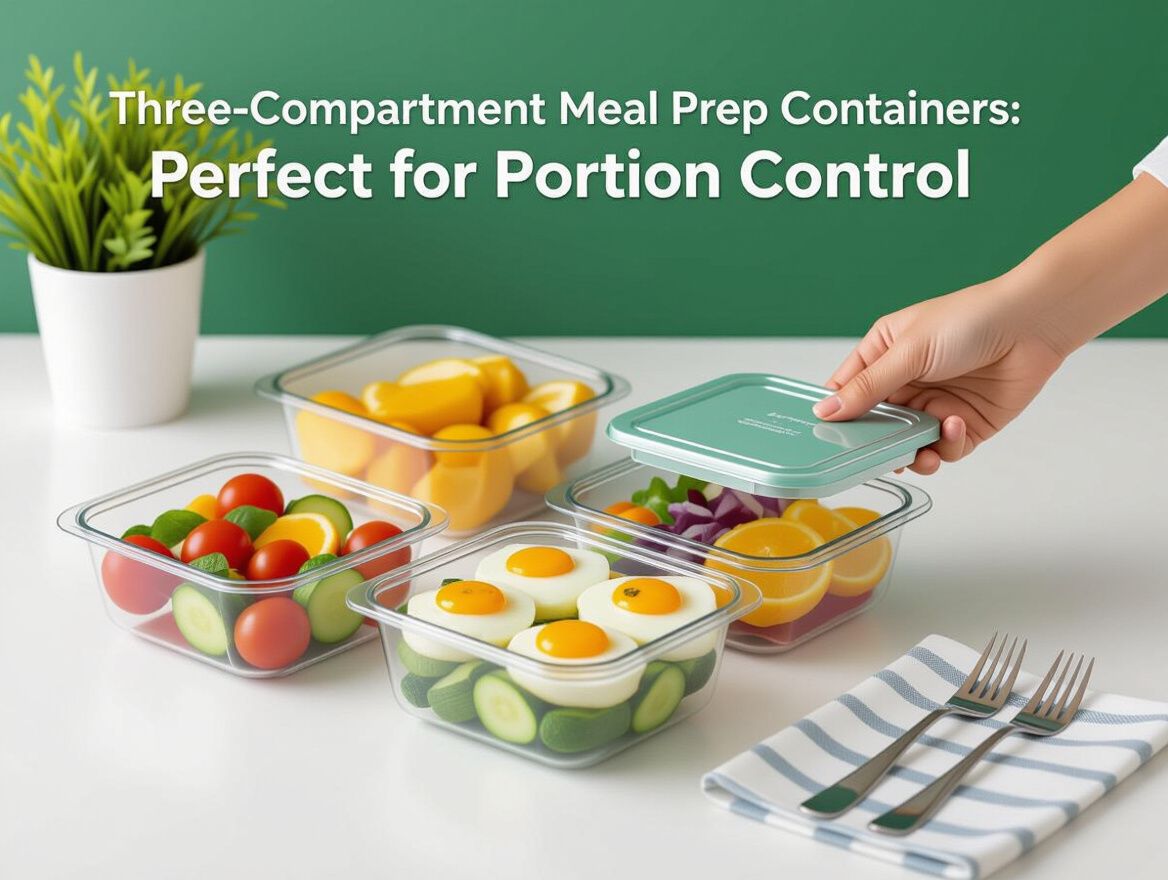
- Multi-Compartment Containers: These are great for portion control and meal variety, allowing you to store different components of a meal in one container. However, they may not be suitable for all food types, as some ingredients require separate storage to maintain freshness.
- Single-Use Containers: Ideal for specific meal types or snacks, these containers can help with organization. Yet, they might lack the flexibility needed for diverse meal prep, leading to a need for multiple containers.
Understanding these trade-offs can help you evaluate your specific needs and preferences, guiding you toward the meal prep containers that best fit your cooking style and lifestyle.
Potential Risks and Considerations
When selecting containers for meal prep, it's crucial to be aware of potential risks that could affect both your health and the quality of your meals. Here are some key considerations to keep in mind:
-
Health Concerns with Certain Plastics: Some plastic containers may contain harmful chemicals, such as BPA (Bisphenol A), which can leach into food, especially when exposed to heat. Opt for BPA-free options or consider using glass or stainless steel containers, which are generally safer for food storage.
-
Risk of Breakage with Glass Containers: While glass containers are often praised for their durability and safety, they can be prone to breakage if dropped or mishandled. Consider your kitchen environment and whether you need a more resilient option, especially if you have children or a busy lifestyle.
-
Issues with Improper Sealing Leading to Spoilage: Containers that do not seal properly can lead to food spoilage, increasing the risk of foodborne illnesses. Ensure that the containers you choose have airtight lids and are designed to prevent leaks. Test the seals before use to confirm they function correctly.
By taking these risks into account, you can make more informed decisions when choosing meal prep containers that suit your needs and lifestyle.
Finding the Right Fit for Your Needs
Choosing the right containers for meal prep is crucial, as it directly impacts your meal organization and storage efficiency. Here are key considerations to help you select the best containers tailored to your specific cooking habits:
-
Assessing Portion Sizes: Determine how much food you typically prepare at once. Containers come in various sizes, so consider whether you need smaller portions for snacks or larger containers for family meals. Opt for multipacks with different sizes to provide flexibility.
-
Understanding Meal Types: Different meals require different container features. For example:
- Soups and Sauces: Look for containers with secure lids to prevent spills.
- Salads: Choose containers that allow for separation of dressing to maintain freshness.
- Grains and Proteins: Ensure the containers can accommodate bulk items without being too cramped.
-
Considering Storage Space at Home: Evaluate your available storage space, both in the refrigerator and cabinets. If space is limited, stackable or nesting containers can save room. Additionally, consider how many containers you need for your meal prep routine; having a variety can help streamline your process.
By matching your meal prep habits with the right containers, you can enhance your cooking experience and ensure your meals are stored safely and efficiently.
Frequently Asked Questions About Meal Prep Containers
When selecting containers for meal prep, you might have several questions regarding their materials, safety, and maintenance. Here are some common queries that can help clarify your decision-making process.
What are the best materials for meal prep containers?
The choice of material significantly impacts the effectiveness and safety of meal prep containers. Here are the most popular options:
- Glass Containers: Known for their durability and safety, glass containers do not leach chemicals into food. They are also microwave and oven safe, making them versatile for various cooking methods.
- Plastic Containers: Lightweight and often more affordable, plastic containers can be convenient. However, ensure they are BPA-free to avoid health risks. Look for options labeled as microwave-safe if you plan to heat food in them.
- Silicone Containers: These are flexible, durable, and often collapsible, making them space-efficient. They are generally safe for microwave and oven use, but check individual specifications.
Can meal prep containers be used in the oven?
Not all meal prep containers are oven-safe. Glass containers typically can withstand oven temperatures, while most plastic containers cannot. Always check the manufacturer's guidelines to confirm whether a container can be safely used in the oven. Silicone containers are usually safe for oven use but verify the temperature limits.
How do I clean and maintain my containers?
Proper cleaning and maintenance extend the life of your meal prep containers:
- Glass Containers: Dishwasher safe, but hand washing is recommended to maintain their clarity and prevent chipping. Avoid sudden temperature changes to prevent cracking.
- Plastic Containers: These can also be dishwasher safe, but check for any warping after washing. To prevent staining, clean immediately after use, especially for tomato-based or oily foods.
- Silicone Containers: Generally easy to clean and dishwasher safe, but hand washing can help maintain their shape and elasticity.
By considering these FAQs, you can better navigate your options and ensure you choose the right containers for your meal prep needs.
Making an Informed Decision
Choosing the right containers for meal prep is crucial for ensuring that your meals stay fresh, organized, and convenient. As you consider your options, it's important to reflect on your individual needs and preferences, which will guide you towards the most suitable containers.
-
Assess Your Cooking Habits: Think about the types of meals you prepare and how often you meal prep. If you often cook in bulk, larger containers may be beneficial. For single servings or varied diets, smaller, compartmentalized containers might be more appropriate.
-
Evaluate Material Preferences: The choice between glass and plastic can significantly influence your experience. Glass containers are generally more durable and safe for oven use, while plastic containers are lighter and often more affordable. Consider which material aligns with your cooking style and safety preferences.
-
Consider Storage Space: Analyze your kitchen storage and refrigerator layout. Containers that stack well or fit neatly in your available space can help optimize organization and accessibility.
-
Think About Sustainability: If environmental impact is a concern, prioritize reusable containers made from eco-friendly materials. This choice not only reduces waste but also contributes to a more sustainable cooking practice.
By carefully evaluating these factors, you can make a thoughtful decision that enhances your meal prep experience, ultimately leading to better organization, healthier eating habits, and reduced food waste.
More in Meal Prep Containers
View All