Food Storage Containers for Meal Prep: A Buyer’s Guide
Understanding Meal Prep and the Role of Food Storage Containers
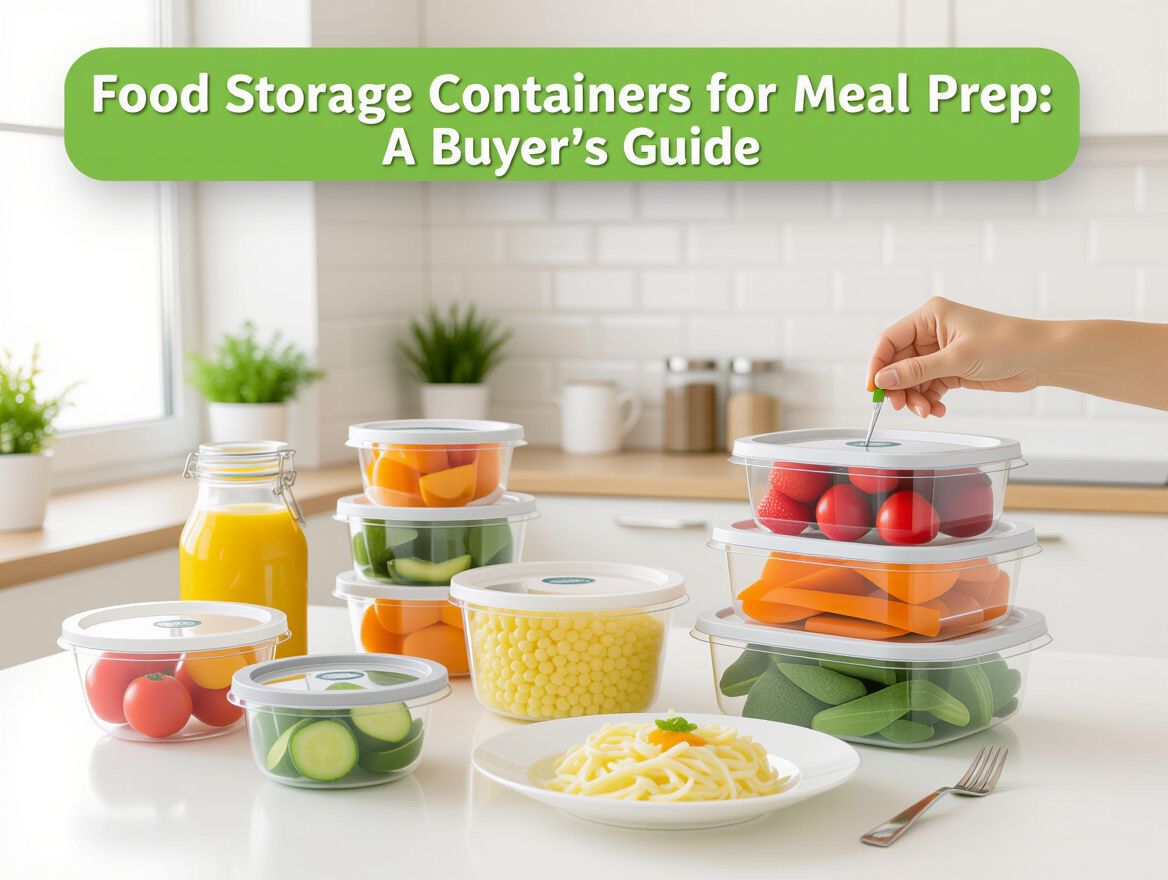
Meal prep, or the practice of preparing meals in advance, is a strategic approach to eating healthier and saving time during busy weeks. By dedicating a few hours to prepare meals, individuals can ensure they have nutritious options readily available, reducing the temptation to opt for less healthy choices. The benefits of meal prep include better portion control, reduced food waste, and increased convenience.
Choosing the right food storage containers is crucial in this process. Proper containers not only preserve the freshness of your meals but also contribute to effective organization and portion management. Here are key considerations to keep in mind when evaluating your options:
-
Material: Containers are typically made from glass, BPA-free plastic, or stainless steel. Glass is preferred for its durability and safety, while plastic offers lightweight convenience. Stainless steel is a great eco-friendly option but may not be microwave-safe.
-
Size and Shape: Consider the types of meals you prep. Smaller, stackable containers are ideal for snacks or sides, while larger ones work well for main dishes. Multi-compartment designs can help keep different food items separate.
-
Seal and Leak-proofing: A good sealing mechanism is vital to prevent spills and maintain freshness. Look for containers with secure lids that create a tight seal.
-
Ease of Cleaning: Containers that are dishwasher-safe or easy to hand wash can save you time in the kitchen.
-
Versatility: Some containers are microwave, oven, or freezer safe, providing flexibility in how you store and reheat your meals.
Understanding these factors will help you select the most suitable food storage containers for your meal prep needs, ensuring that your efforts in the kitchen lead to delicious and convenient meals throughout the week.
Types of Food Storage Containers for Meal Prep
When selecting food storage containers for meal prep, it's essential to understand the differences between glass, BPA-free plastic, and multi-compartment designs. Each type has its unique advantages and considerations that can significantly impact your meal preparation experience.
Glass Containers
- Durability and Safety: Glass containers are renowned for their durability and resistance to staining or odors. They are typically microwave, dishwasher, and oven-safe, making them versatile for various cooking methods. Additionally, they do not leach harmful chemicals, providing a safer option for food storage.
- Price Range: Generally, glass containers can be more expensive than plastic options, but they offer long-term value due to their longevity.
BPA-Free Plastic Containers
- Lightweight and Convenient: BPA-free plastic containers are lighter and less fragile than glass, making them easier to handle, especially for on-the-go meal prep. They are often stackable, which can save space in your kitchen.
- Durability Concerns: While they are designed to be safe for food storage, plastic containers can warp or stain over time, especially if exposed to high temperatures. It’s crucial to check the manufacturer's guidelines regarding microwave and dishwasher use.
- Price Range: These containers tend to be more affordable and widely available, making them a popular choice for budget-conscious consumers.
Multi-Compartment Containers
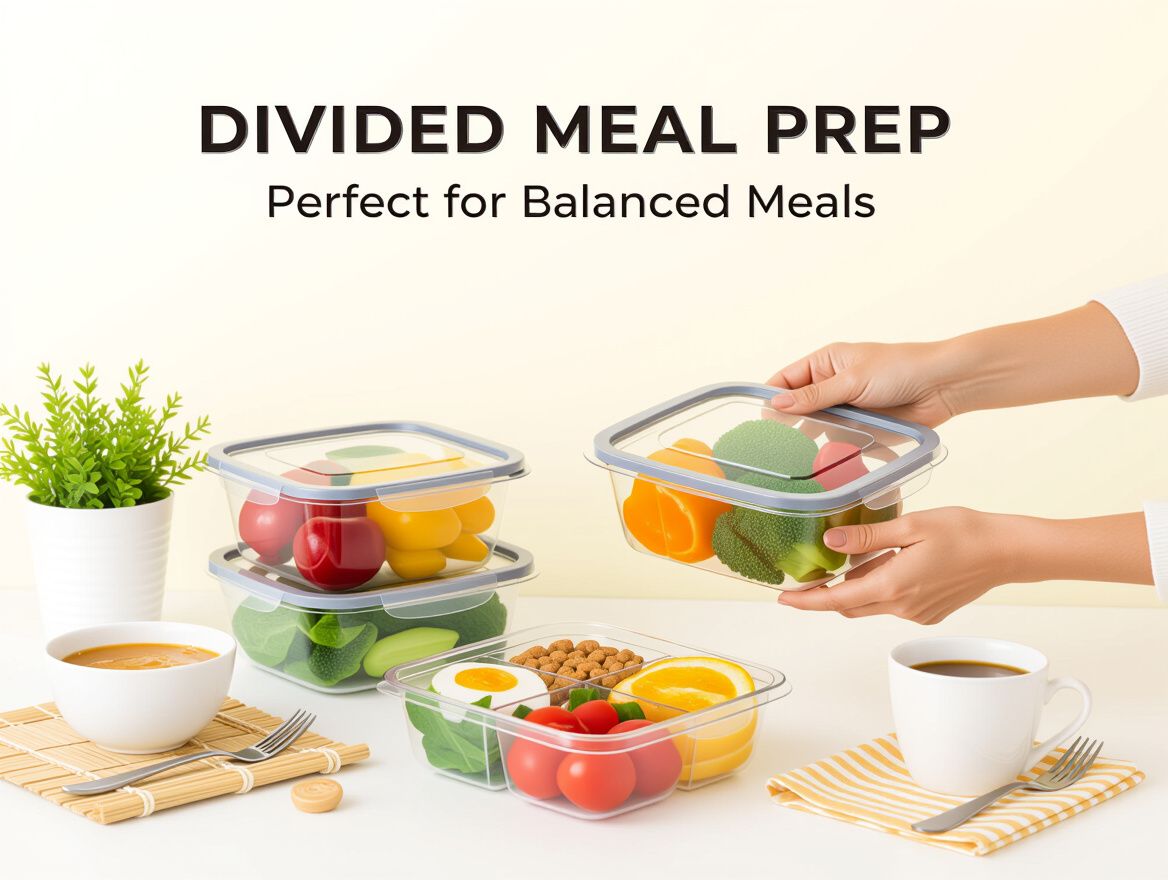
- Organization Benefits: Multi-compartment containers are ideal for portion control and meal organization, allowing you to separate different food items in one container. This design is particularly useful for balanced meals that include proteins, carbs, and vegetables.
- Versatility: They can be made from either glass or plastic, offering the benefits of both materials depending on your choice. However, ensure that the compartments are adequately sealed to prevent cross-contamination of flavors.
- Price Range: The price can vary widely based on material and design complexity, but they often fall in the mid-range category.
Considerations for Decision-Making
- Use Case Fit: Consider how you plan to use the containers. For meal prep that involves reheating, glass may be preferable. For lunchboxes or traveling, lightweight plastic or multi-compartment designs may be more practical.
- Trade-offs: Evaluate the trade-offs between durability, safety, and convenience. Glass offers safety and durability but can be heavy, while plastic provides lightweight convenience but may not last as long.
- Risk Guidance: Be aware of the potential for plastic containers to warp or leach chemicals if not used according to guidelines. Always check for BPA-free labels to ensure safety.
By understanding these types of food storage containers and their respective benefits and limitations, you can make a more informed decision that aligns with your meal prep needs.
Key Features to Consider When Buying Meal Prep Containers
When selecting food storage containers for meal prep, it’s crucial to evaluate various features to ensure they meet your specific needs. Here’s a checklist of essential criteria to consider:
-
Material Safety: Opt for containers that are BPA-free or made from glass. BPA (Bisphenol A) can leach into food, especially when heated, posing health risks. Glass containers are generally considered safer and more durable.
-
Size and Capacity Options: Meal prep containers come in various sizes. Choose containers that can accommodate your portion sizes and fit well in your refrigerator or freezer. Multi-compartment designs can help keep different food items organized and separate.
-
Microwave, Freezer, and Dishwasher Safety: Ensure the containers are safe for use in the microwave and freezer, as well as being dishwasher-safe for easy cleaning. This versatility will streamline your meal prep process.
-
Leak-Proof Designs: Look for containers with airtight lids to prevent spills and maintain freshness. A leak-proof design is especially important if you’re transporting meals or storing liquids.
-
Ease of Cleaning: Consider the shape and material of the containers. Smooth surfaces and fewer crevices make for easier cleaning. Glass containers typically require less scrubbing than plastic, which can absorb odors and stains over time.
By keeping these key features in mind, you can confidently select meal prep containers that best fit your lifestyle and storage needs.
Potential Risks and Considerations
When selecting food storage containers for meal prep, it's essential to be aware of potential risks and considerations that could impact your health, environmental footprint, and overall satisfaction with your choices. Here are some key points to keep in mind:
-
Health Concerns Related to Plastic Leaching: Many plastic containers can leach harmful chemicals, especially when exposed to heat in the microwave or dishwasher. Look for BPA-free options to mitigate this risk. However, glass containers are often considered safer as they do not leach chemicals into food.
-
Durability Issues with Low-Quality Containers: Not all food storage containers are created equal. Low-quality plastic containers can warp, stain, or crack over time, leading to a need for frequent replacements. Investing in durable materials like glass or high-grade plastic can save money and reduce waste in the long run.
-
Environmental Impact of Disposable Options: While disposable containers may offer convenience, they contribute significantly to environmental waste. Opting for reusable containers not only helps reduce landfill contributions but also promotes sustainable practices. Consider how often you plan to use containers and choose options that align with your environmental values.
By understanding these risks and considerations, you can make informed decisions that enhance your meal prep experience while ensuring safety and sustainability.
Comparing Popular Brands and Products
When it comes to meal prep, the variety of food storage containers available can be overwhelming. Understanding the strengths and unique selling points of reputable brands can help you make an informed decision based on your specific needs. Here’s a look at some popular brands in the meal prep container market, their offerings, and insights from user experiences.
Rubbermaid Brilliance
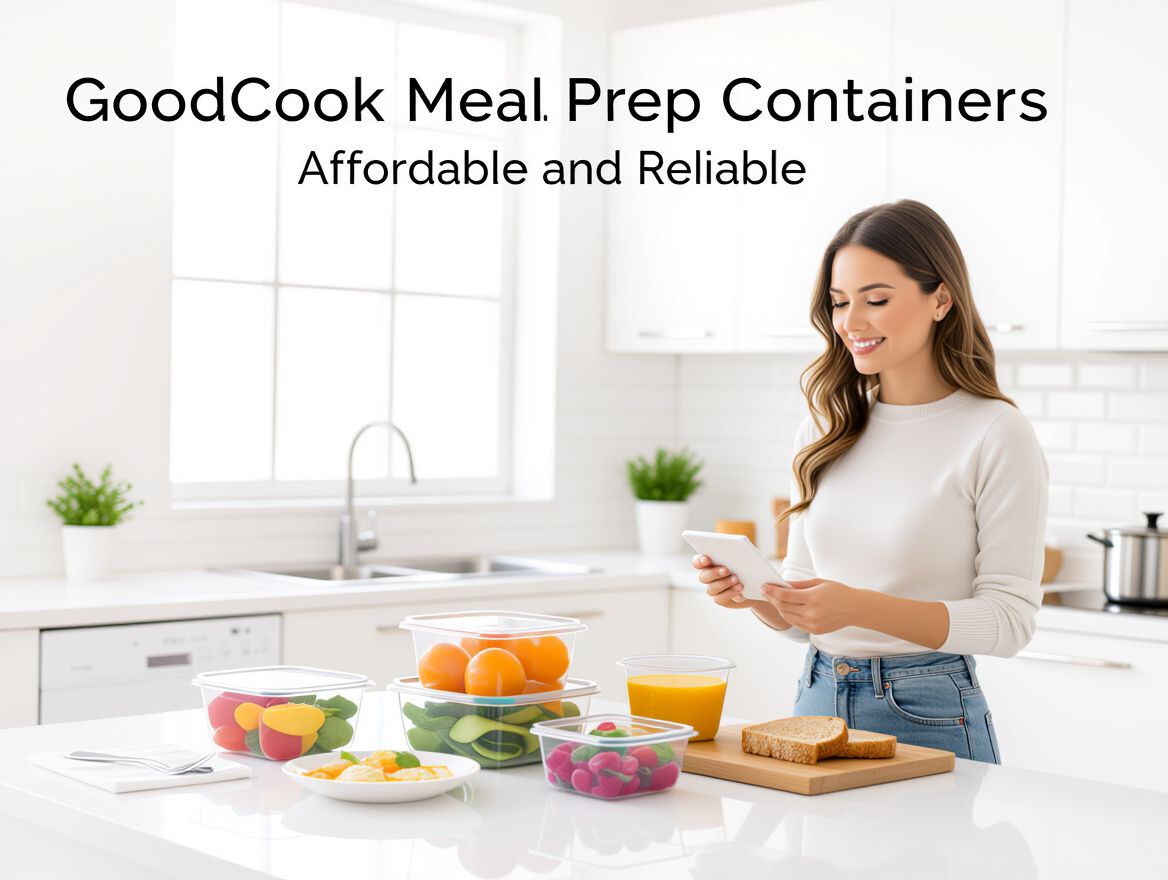
Rubbermaid Brilliance containers are known for their modular design and leak-proof capabilities. Made from clear, BPA-free plastic, these containers are microwave, dishwasher, and freezer safe. Users appreciate the stackable nature of these containers, which helps save space in the fridge. However, some reviews mention that while they are durable, they may scratch over time.
Pyrex
Pyrex offers a range of glass meal prep containers that stand out for their durability and safety. They are dishwasher, microwave, and oven safe, making them a versatile choice for meal prep. Users often highlight the ease of cleaning and the ability to see the contents without opening the lid. However, the heavier weight of glass compared to plastic can be a consideration for those who prefer lighter options.
OXO Good Grips
The OXO Good Grips line features containers with a smart sealing mechanism that prevents leaks. Their containers come in various sizes and shapes, catering to different meal prep needs. Many users appreciate the thoughtful design, including easy-to-open lids and stackable options. A potential drawback is that some users report the lids can be challenging to clean due to their design.
Snapware
Snapware containers are celebrated for their airtight seals and versatility. They are available in both glass and plastic options, allowing users to choose based on their preferences. User experiences often mention the effectiveness of the sealing mechanism in preventing spills. However, some reviews indicate that the plastic versions may not be as durable as glass counterparts.
Ziploc
Ziploc food storage containers are a popular choice for those seeking budget-friendly meal prep solutions. They offer a range of sizes and are particularly favored for their convenience and lightweight nature. Users often find them practical for short-term storage. However, they may not be as durable as other options, and some users express concerns about the longevity of the plastic.
Trade-offs to Consider
- Material: Glass containers are heavier but more durable, while plastic offers lightweight convenience but may not last as long.
- Seal Quality: Look for containers with effective sealing mechanisms to prevent leaks; however, more complex lids may complicate cleaning.
- Versatility vs. Specificity: Multi-compartment containers are great for organization but may limit the size of individual portions.
- Cost vs. Longevity: Higher-priced containers often provide better durability and safety features, while budget options may require more frequent replacement.
By evaluating these brands and their unique features, you can better understand which food storage containers will fit your meal prep needs while balancing trade-offs in durability, convenience, and cost.
Frequently Asked Questions About Meal Prep Containers
When it comes to selecting the right food storage containers for meal prep, buyers often have several questions. Here are some common inquiries that can guide your decision-making process:
What materials are safest for food storage?
The safest materials for food storage containers are glass and BPA-free plastics. Glass is favored for its durability and resistance to leaching harmful chemicals into food, especially when heated. BPA-free plastic containers are lightweight and convenient, but it's essential to ensure they are labeled as safe for food use. Stainless steel is another option, though it may not be microwave-safe.
How do I choose the right size for my meal prep needs?
Choosing the right size of containers depends on the types of meals you plan to prepare. Consider the following:
- Portion Control: Smaller containers are ideal for snacks or side dishes, while larger containers work well for main meals.
- Stackability: Look for containers that can stack easily in your fridge or freezer to save space.
- Compartmentalization: Multi-compartment containers can help keep different food items separate, making it easier to prep balanced meals.
Are there eco-friendly options available?
Yes, there are eco-friendly options for meal prep containers. Glass containers are reusable and recyclable, making them a sustainable choice. Additionally, some brands offer containers made from recycled materials or biodegradable plastics. When selecting eco-friendly options, check for certifications or labels that indicate sustainable practices.
Understanding these aspects can help you make informed decisions that align with your meal prep goals, ensuring you choose containers that are not only functional but also safe and environmentally conscious.
Making an Informed Decision on Meal Prep Containers
Choosing the right food storage containers for meal prep is vital for maximizing efficiency and ensuring food safety. Before making a purchase, consider the following key points to align your selection with your specific meal prep needs:
-
Assess Your Meal Prep Style: Think about how you typically prepare and store your meals. Do you prefer batch cooking large portions, or do you often prepare single servings? Your cooking habits will influence the size and type of containers you need.
-
Evaluate Material Safety: Different materials come with their own safety profiles. Glass containers are generally safer and more durable, while BPA-free plastic offers lightweight convenience but may not withstand high temperatures as well as glass. Stainless steel is eco-friendly but lacks microwave compatibility.
-
Consider Storage Space: Analyze your kitchen storage options. Stackable containers can save space, while bulky designs may require more room. Ensure that your chosen containers fit comfortably in your cabinets or refrigerator.
-
Think About Versatility: Look for containers that can transition from freezer to microwave or oven. This flexibility can streamline your meal prep process and reduce the number of dishes you need.
-
Examine the Seal Quality: A reliable sealing mechanism is crucial for maintaining freshness and preventing leaks. Containers that promise airtight seals can help keep your meals safe and flavorful.
-
Plan for Cleaning and Maintenance: Consider how much time you want to spend cleaning. Containers that are dishwasher-safe can simplify your post-meal prep routine.
By thoughtfully evaluating these factors, you can select food storage containers that not only suit your meal prep style but also enhance the overall experience. Make sure to align your choices with your lifestyle to ensure long-term satisfaction with your meal prep solutions.
More in Meal Prep Containers
View All