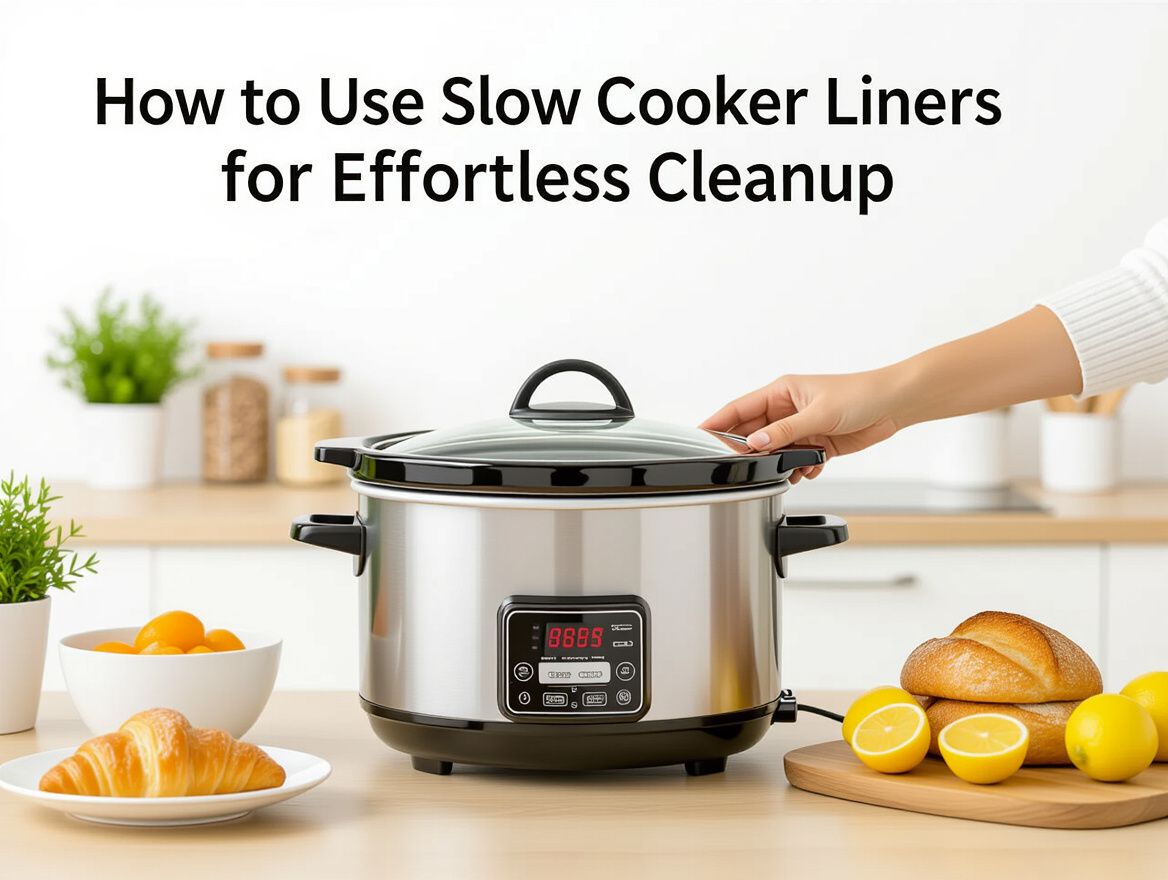
How to Use Slow Cooker Liners for Effortless Cleanup
Introduction to Slow Cooker Liners
Slow cooker liners are disposable, heat-resistant bags designed to fit inside your slow cooker, making cooking and cleanup much simpler. These liners are made from BPA-free, food-safe materials that can withstand cooking temperatures up to 400 degrees Fahrenheit, allowing you to prepare a variety of meals without the hassle of scrubbing your slow cooker afterward.
Benefits of Using Slow Cooker Liners
- Effortless Cleanup: The primary advantage is the significant reduction in mess. After cooking, you can simply lift out the liner, leaving your slow cooker clean and ready for the next use.
- Time-Saving: With less time spent on scrubbing and soaking, you can focus on enjoying your meal or preparing the next dish.
- Versatile Use: These liners are suitable for various cooking methods within the slow cooker, including stews, casseroles, and even desserts.
Considerations Before Use
- Fit and Compatibility: Not all liners fit every slow cooker perfectly. It's essential to choose a size that matches your specific model to prevent spills or cooking issues.
- Material Safety: Ensure that you select liners made from heat-resistant materials to avoid melting or releasing harmful chemicals during cooking.
- Cost vs. Convenience: While liners can be more expensive than traditional cleanup methods, the convenience they offer may justify the cost for many home cooks.
By understanding these aspects, you can make an informed decision about incorporating slow cooker liners into your cooking routine, enhancing both efficiency and enjoyment in the kitchen.
How to Use Slow Cooker Liners Effectively
Using slow cooker liners can significantly simplify your cooking and cleanup processes. To maximize their benefits, follow these steps:
Choosing the Right Size Liner
- Match the Size: Select a liner that fits your slow cooker perfectly. Most brands offer various sizes, so check your slow cooker's capacity (typically measured in quarts) before purchasing.
- Consider Material: Opt for BPA-free, heat-resistant nylon liners that can withstand high temperatures (up to 400°F) without tearing.
Steps to Properly Place and Use the Liner
- Prepare the Slow Cooker: Ensure your slow cooker is clean and dry before inserting the liner.
- Insert the Liner: Open the liner and place it inside the slow cooker, pressing it down to fit snugly against the bottom and sides. This will prevent it from slipping during cooking.
- Add Ingredients: Pour your ingredients directly into the liner. The liner allows for easy removal of food without sticking to the slow cooker.
Tips for Best Practices While Cooking
- Avoid Overfilling: Leave some space at the top of the liner to prevent spills as the food cooks and expands.
- Use Caution with High Heat: While liners are safe for high settings, monitor your cooking to ensure everything is functioning correctly.
- Cool Before Removal: Allow the slow cooker to cool before handling the liner to avoid burns.
By following these guidelines, you can enjoy the convenience of slow cooker liners, making your cooking experience more enjoyable and your cleanup process effortless.
Checklist for Selecting Slow Cooker Liners
When choosing slow cooker liners, consider the following criteria to ensure you select the right product for your cooking needs:
-
Material Safety:
- Look for BPA-free liners made from heat-resistant, food-safe nylon. This ensures that the liners can withstand cooking temperatures without leaching harmful substances into your food.
-
Compatibility with Different Slow Cooker Sizes:
- Verify that the liners are compatible with your specific slow cooker model. Not all liners fit every slow cooker perfectly, so check dimensions and design to avoid any issues during use.
-
Cost Considerations:
- While slow cooker liners can simplify cleanup, they are a recurring expense. Evaluate how often you use your slow cooker to determine if the convenience justifies the cost. Consider trying different brands to find a balance between quality and affordability.
By keeping these points in mind, you can select slow cooker liners that enhance your cooking experience while ensuring safety and convenience.
Benefits and Drawbacks of Using Slow Cooker Liners
Using slow cooker liners can greatly enhance your cooking experience, but it's essential to weigh both the advantages and potential drawbacks to make an informed decision.
Advantages
-
Convenience and Cleanup: Slow cooker liners are designed to simplify the cleanup process. By using a liner, you can avoid scrubbing your slow cooker pot after a meal, as the food residue is contained within the disposable liner.
-
Time-Saving: With less scrubbing involved, you can save time on post-cooking cleanup, allowing you to focus more on meal preparation and family time.
-
Food Safety: Most slow cooker liners are made from BPA-free, heat-resistant materials, ensuring that they are safe for cooking at typical slow cooker temperatures. This can provide peace of mind when preparing meals.
Drawbacks
-
Environmental Considerations: Using disposable liners contributes to plastic waste, which may be a concern for environmentally conscious consumers. If sustainability is important to you, consider the impact of additional plastic waste generated by frequent use.
-
Cost Implications: While convenient, slow cooker liners can be an ongoing expense. If you use your slow cooker frequently, the cost of purchasing liners regularly can add up over time.
-
Fit Issues: Not all slow cooker liners fit every model perfectly. It's crucial to choose liners that are compatible with your specific slow cooker size to avoid potential leaks or cooking mishaps.
-
Taste and Texture: Some users report that using liners can slightly alter the taste or texture of certain dishes. This may not be a significant issue for everyone, but it's worth noting if you are particular about the flavors in your meals.
In summary, slow cooker liners offer significant convenience and time savings, but they also come with environmental and cost considerations, as well as potential fit issues depending on your slow cooker model. Understanding these factors can help you decide if using liners aligns with your cooking style and values.
Risks and Considerations When Using Slow Cooker Liners
While slow cooker liners offer convenience, there are important risks and considerations to keep in mind before incorporating them into your cooking routine.
-
Safety Concerns Regarding High Heat: Although many slow cooker liners are designed to withstand temperatures up to 400 degrees Fahrenheit, it's crucial to monitor cooking times and temperatures closely. Using liners beyond their recommended heat range can lead to melting or degradation of the material, potentially contaminating your food.
-
Potential for Plastic Leaching: There are ongoing debates regarding the safety of cooking with plastic materials, particularly with acidic or fatty foods. Some studies suggest that certain plastics may leach chemicals into food when exposed to high heat. Opting for BPA-free and heat-resistant liners can mitigate some of these risks, but awareness is still essential.
-
Environmental Impact of Disposable Liners: The convenience of disposable liners comes with environmental costs. Each use contributes to plastic waste, which can be a concern for eco-conscious cooks. Consider whether the ease of cleanup outweighs the environmental footprint, especially if you use liners frequently.
By weighing these risks and considerations, you can make an informed choice about whether slow cooker liners align with your cooking practices and values.
Frequently Asked Questions About Slow Cooker Liners
When considering the use of slow cooker liners, many home cooks have questions regarding their safety, reuse, and handling. Here are some common inquiries and their answers:
-
Are slow cooker liners safe?
Yes, slow cooker liners are safe for use in your slow cooker at low, medium, and high settings, withstanding temperatures up to 400 degrees Fahrenheit. It's important to choose BPA-free options made from heat-resistant, food-safe materials to ensure your meals remain free from harmful chemicals. -
Can you reuse slow cooker liners?
No, slow cooker liners are designed for single use. Reusing them can lead to potential tearing and contamination, as they may not hold up well after the first use and could compromise food safety. -
What to do if a liner tears during cooking?
If a liner tears while cooking, it's advisable to stop the cooking process immediately. Carefully remove the torn liner to prevent any food from mixing with the slow cooker. Assess the food for safety; if it appears contaminated, it’s best to discard it. Always check the integrity of the liner before use to minimize this risk.
By addressing these questions, you can feel more confident in your decision to use slow cooker liners, ensuring a safer and more efficient cooking experience.
Conclusion: Are Slow Cooker Liners Right for You?
In summary, slow cooker liners offer a practical solution for those looking to streamline their cooking and cleanup processes. The primary benefits include effortless cleanup, time savings, and versatility in meal preparation. However, potential users should consider several factors before making a decision.
- Fit and Compatibility: Ensure that the liner you choose matches your slow cooker’s size. A poorly fitting liner can lead to spills or uneven cooking.
- Material Safety: Select liners that are BPA-free and made from heat-resistant materials to avoid any health risks during cooking.
- Cost Consideration: While the convenience of liners can justify their cost, it's important to evaluate how often you use your slow cooker and whether that frequency makes the expense worthwhile.
Ultimately, weighing these benefits against the considerations will help you determine if slow cooker liners are the right fit for your cooking habits. If you prioritize convenience and efficiency in the kitchen, they could be a valuable addition to your cooking routine.