Meal Prep Storage Containers: Organizing Your Kitchen
Understanding Meal Prep Storage Containers
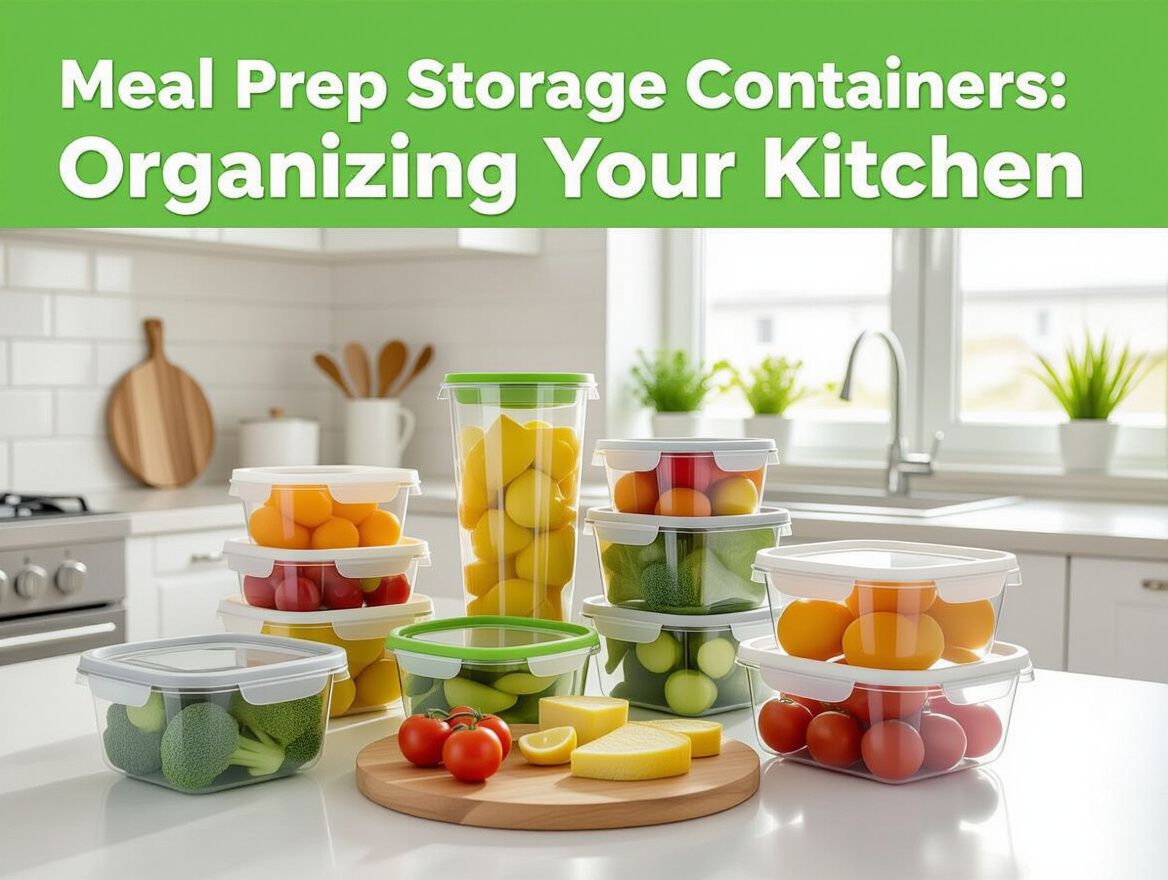
Meal prep storage containers are essential tools for anyone looking to streamline their cooking and organization efforts in the kitchen. These containers are specifically designed to store prepped meals, ingredients, or leftovers, making them a key component of effective meal planning.
Benefits of Using Meal Prep Storage Containers
- Organization: They help keep your fridge tidy, allowing you to easily locate meals and ingredients.
- Portion Control: Many containers come in various sizes, helping you manage portion sizes and reduce food waste.
- Food Freshness: Airtight and leak-proof designs can help keep food fresh longer, reducing spoilage.
- Versatility: Available in materials like glass and BPA-free plastic, they can be used for microwaving, freezing, and even baking in some cases.
- Ease of Cleaning: Most meal prep containers are dishwasher-safe, making cleanup quick and hassle-free.
When selecting meal prep storage containers, consider your cooking habits, the types of meals you prepare, and how much storage space you have. Each material and design offers unique advantages, so understanding your specific needs will help you make an informed choice.
Key Features to Look For
When selecting meal prep storage containers, understanding the essential features can significantly enhance your meal preparation experience. Here’s a checklist to guide your decision-making process:
-
Material Choices:
- Glass: Non-toxic, versatile, and easy to clean. Glass containers are generally microwave and oven safe, making them suitable for various cooking needs. They often come with airtight lids, ensuring freshness.
- Plastic: Lightweight and durable, BPA-free plastic containers are typically more affordable and stackable, which can save space in your kitchen. However, ensure they are marked microwave and dishwasher safe.
-
Airtight and Leak-proof Design: Look for containers that offer secure sealing mechanisms. This feature is crucial for preventing spills and keeping food fresh longer, especially for liquids or sauces.
-
Microwave, Dishwasher, and Freezer Safe: Ensure the containers can withstand temperature changes. Microwave and dishwasher-safe options simplify reheating and cleaning, while freezer-safe containers allow for long-term storage of prepped meals.
-
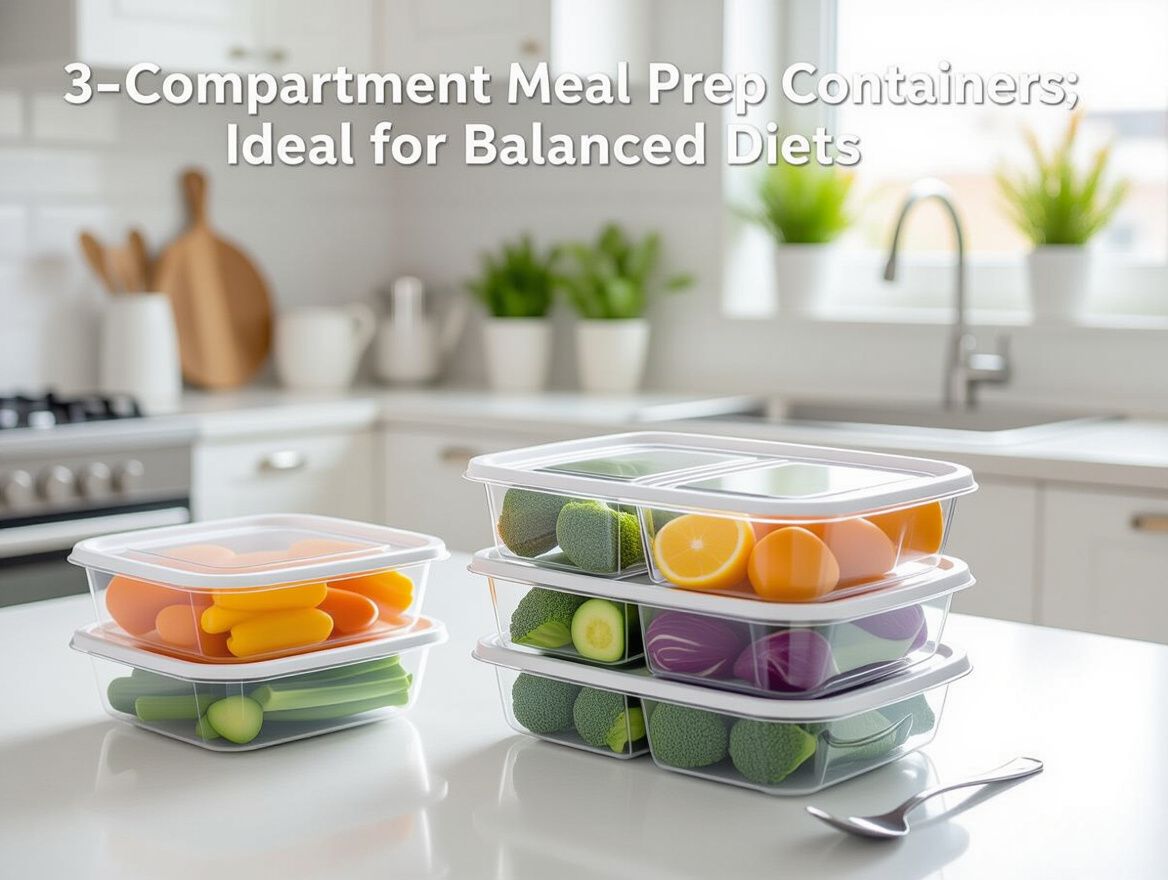
Size Options and Stackability: Consider a variety of sizes to accommodate different meal types and portion sizes. Stackable designs help maximize storage space in your kitchen, making them easier to organize when not in use.
By evaluating these features, you can select meal prep storage containers that best fit your cooking style, storage needs, and lifestyle. Prioritize what matters most to you, whether it's durability, safety, or ease of use, to make a confident purchase.
Material Comparisons: Glass vs. Plastic
When selecting meal prep storage containers, the choice between glass and plastic materials plays a significant role in usability, safety, and environmental impact. Each material has distinct advantages and drawbacks that can influence your decision based on your specific meal prep needs.
Glass Containers
Pros:
- Durability and Safety: Glass containers are generally more durable than plastic, resistant to scratches and stains. They are non-toxic and do not leach chemicals into food, making them a safer option for heating and storing meals.
- Versatility: Many glass containers are oven, microwave, and dishwasher safe, allowing for easy reheating and cleaning. They often come with airtight lids that help preserve freshness.
Cons:
- Weight and Breakability: Glass containers can be heavier than plastic, which might be a consideration for transport. Additionally, they are more prone to breakage if dropped.
- Cost: Typically, glass containers are more expensive than their plastic counterparts, which may affect your budget.
Plastic Containers
Pros:
- Affordability and Lightweight: Plastic containers are generally more budget-friendly and lighter, making them easier to handle and transport. This is particularly beneficial for on-the-go meal prep.
- Variety of Sizes and Shapes: Plastic containers often come in a wider range of sizes and shapes, which can be advantageous for organizing different meal components efficiently.
Cons:
- Durability Concerns: While many plastics are designed to be durable, they can scratch or warp over time, especially when exposed to high temperatures. This may lead to a shorter lifespan compared to glass.
- Chemical Safety: Some plastic containers may contain BPA or other harmful chemicals, although many brands now offer BPA-free options. Always check labels to ensure safety.
Environmental Considerations
When considering environmental impact, glass containers tend to be more sustainable as they are recyclable and have a longer lifespan. Plastic containers, while convenient, often contribute to landfill waste if not disposed of properly. Opting for reusable options, such as high-quality plastics or glass, can mitigate some environmental concerns.
Conclusion
Ultimately, the choice between glass and plastic meal prep storage containers depends on your priorities regarding safety, convenience, and environmental impact. Assess your cooking habits and storage needs to determine which material aligns best with your lifestyle. Consider factors like durability, weight, and cost as you make your decision, ensuring you select containers that will effectively support your meal prep efforts.
Potential Risks and Considerations
When selecting meal prep storage containers, it’s crucial to be aware of potential risks and considerations that can impact your meal prep experience and food safety. Understanding these factors can help you make informed decisions and mitigate any issues that may arise.
-
Health Concerns with Certain Plastics: Many plastic containers may contain harmful chemicals, such as BPA, which can leach into food, especially when heated. Opt for BPA-free containers or consider glass options to avoid these health risks.
-
Risks of Improper Sealing Leading to Spoilage: Containers that do not seal properly can allow air to enter, leading to spoilage and food waste. Ensure you choose airtight and leak-proof designs, and regularly check seals for wear and tear.
-
Long-Term Durability Issues: Over time, some containers may warp, stain, or become brittle, especially if subjected to frequent heating or freezing. It’s essential to evaluate the material quality and choose containers known for their longevity, such as tempered glass or high-quality BPA-free plastics.
By considering these risks, you can select meal prep storage containers that not only meet your organizational needs but also ensure the safety and freshness of your meals.
Frequently Asked Questions
When considering meal prep storage containers, prospective buyers often have several common questions that can help guide their purchasing decisions.
What is the best material for meal prep containers?
The choice of material largely depends on your personal preferences and intended use. Here are some popular options:
- Glass: Non-toxic and versatile, glass containers are microwave and oven safe. They typically come with airtight lids, making them ideal for maintaining food freshness.
- BPA-Free Plastic: Durable and lightweight, plastic containers are often more affordable and stackable, which can save space in your kitchen. Ensure they are labeled as BPA-free for safety.
- Silicone: This flexible material is great for storage and can withstand high temperatures, making it suitable for both freezing and baking.
How do I properly clean and maintain my containers?
To ensure longevity and hygiene, follow these cleaning tips:
- Dishwasher Safe: Check if your containers are dishwasher safe for easy cleaning. Avoid placing lids in the dishwasher if they are not designed for it.
- Hand Washing: Use warm, soapy water for hand washing, especially for glass or silicone containers that may have specific care instructions.
- Avoid Abrasives: Steer clear of abrasive cleaners or scrubbing pads that can scratch the surface of your containers.
Are there eco-friendly options available?
Yes, there are several eco-friendly meal prep storage solutions:
- Bamboo Containers: These are biodegradable and made from sustainable materials, although they may not be suitable for microwaving.
- Silicone Bags: Reusable silicone bags are an excellent alternative to single-use plastic bags and can be used for freezing and reheating.
- Recycled Materials: Look for containers made from recycled plastics or other sustainable materials, which reduce environmental impact.
By addressing these common queries, you can better navigate your options and select meal prep storage containers that align with your cooking habits and environmental values.
Making the Right Choice for Your Meal Prep Needs
Selecting the right meal prep storage containers is crucial for enhancing your cooking efficiency and maintaining food quality. Here’s a summary of key features and considerations to help you make an informed decision:
-
Assess Your Cooking Habits: Consider how often you meal prep and the types of meals you typically prepare. If you often cook in bulk, larger containers or sets with various sizes will suit your needs better.
-
Material Suitability:
- Glass containers are ideal for those seeking durability and non-toxicity, as they are generally microwave, oven, and dishwasher safe. They also provide better resistance to stains and odors.
- BPA-free plastic containers are lighter and often more affordable, which may be preferable for those needing to transport meals. Ensure they are labeled as microwave and dishwasher safe for convenience.
-
Storage Efficiency: Look for stackable designs to maximize space in your kitchen and refrigerator. This can be particularly helpful for smaller kitchens or if you frequently prepare multiple meals at once.
-
Airtight and Leak-proof Features: These are essential for keeping food fresh and preventing spills. Ensure the containers you choose have secure lids that create a tight seal.
-
Long-term Usability: Evaluate whether the containers can handle temperature variations. Opt for options that are safe for freezing and reheating to extend their usability.
As you consider these factors, reflect on your personal preferences and storage capabilities. By clarifying your needs, you can choose meal prep storage containers that align with your cooking style and lifestyle, ultimately enhancing your meal preparation experience.
More in Meal Prep Containers
View All