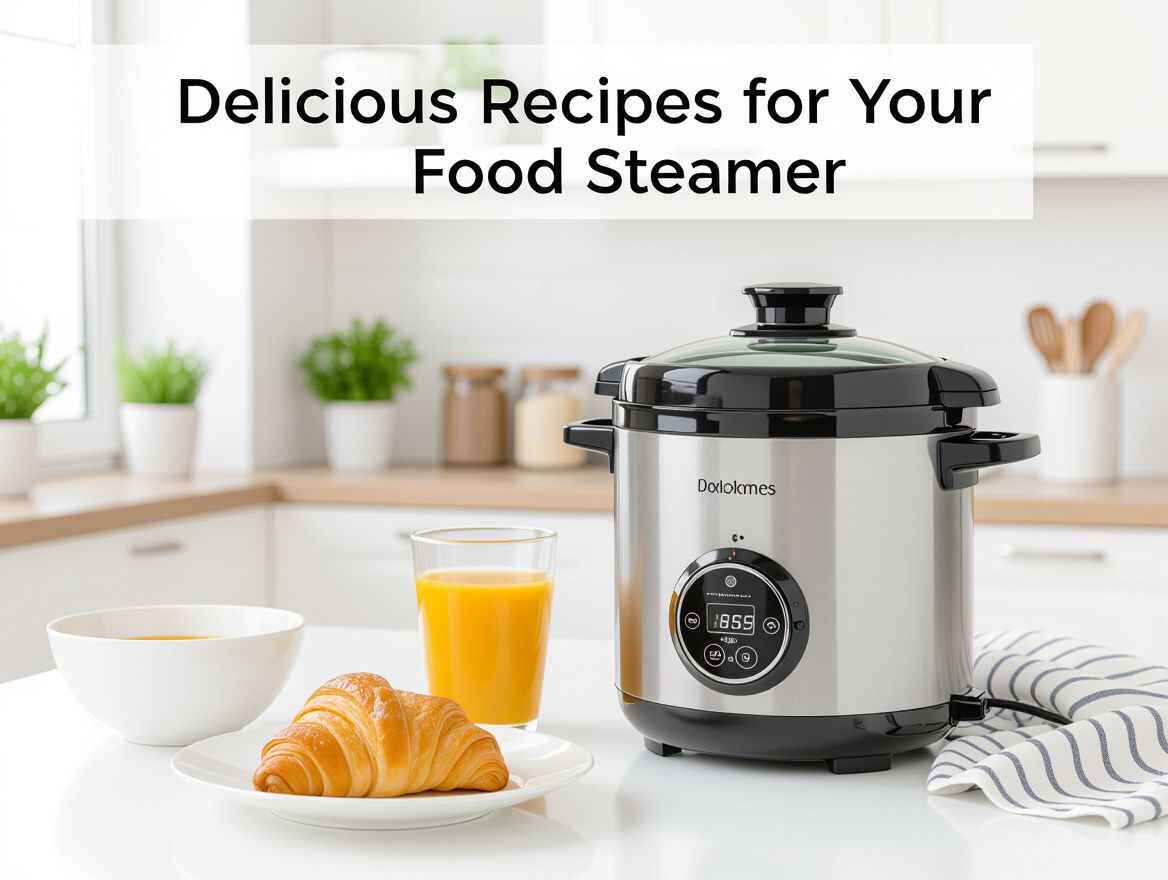
The Ultimate Guide to Food Steamers: Benefits and Features

Understanding Food Steamers
Food steamers are kitchen appliances designed to cook food using steam, a method that preserves nutrients and enhances flavor. As more home cooks seek healthier cooking solutions, food steamers have gained popularity for their ability to prepare a variety of dishes without the need for added fats or oils.
The appeal of food steamers lies in their versatility. They can be used to cook vegetables, fish, grains, and even desserts while retaining the natural colors and textures of the ingredients. Steaming is often regarded as one of the healthiest cooking methods, as it helps maintain vitamins and minerals that can be lost in boiling or frying.
Key health benefits associated with steaming include:
- Nutrient Preservation: Steaming minimizes nutrient loss, ensuring that meals are rich in vitamins.
- Reduced Fat Intake: Since steaming requires little to no oil, it supports lower-calorie meals.
- Enhanced Flavor: Cooking with steam allows the natural flavors of food to shine through without the need for heavy seasonings.
As you consider incorporating a food steamer into your kitchen, it’s essential to evaluate how its benefits align with your cooking habits and health goals.
Key Benefits of Using Food Steamers
Food steamers offer several advantages that make them a preferred cooking method for health-conscious home cooks. By understanding these benefits, you can make an informed decision about incorporating a food steamer into your kitchen.
-
Nutritional Superiority: Steaming retains more vitamins and minerals compared to boiling or frying. When food is boiled, nutrients can leach into the water, while frying often adds unhealthy fats. Steaming preserves the natural flavors and nutrients, promoting healthier meals.
-
Time Efficiency: Food steamers can significantly reduce meal prep time. Many models allow you to cook multiple food types simultaneously, maximizing efficiency. For example, you can steam vegetables, fish, and grains at the same time, reducing overall cooking time and enabling you to serve a complete meal quickly.
-
Versatility in Cooking: Food steamers are not limited to vegetables; they can handle a variety of foods, including fish, chicken, dumplings, and even desserts like puddings. This versatility makes them a valuable addition to any kitchen, allowing you to explore diverse recipes and cooking styles.
While food steamers offer these compelling advantages, it's important to consider your cooking habits and preferences. Assessing how often you cook, the types of meals you prepare, and the space available in your kitchen will help you determine if a food steamer is the right fit for you.
Essential Features to Look For in a Food Steamer
When choosing a food steamer, it's crucial to evaluate several key features that can significantly impact your cooking experience and results. Here’s a checklist to guide your decision:
-
Size and Capacity: Consider how much food you typically prepare. Smaller steamers are great for quick meals, while larger models can accommodate family-sized portions or multiple dishes at once.
-
Material Quality: Opt for steamers made from BPA-free plastic or stainless steel. These materials not only ensure safety during cooking but also enhance durability and heat retention.
-
Ease of Cleaning and Maintenance: Look for steamers with removable, dishwasher-safe components. A non-stick surface can also make cleaning less of a chore, ensuring you spend more time enjoying your meals rather than scrubbing.
-
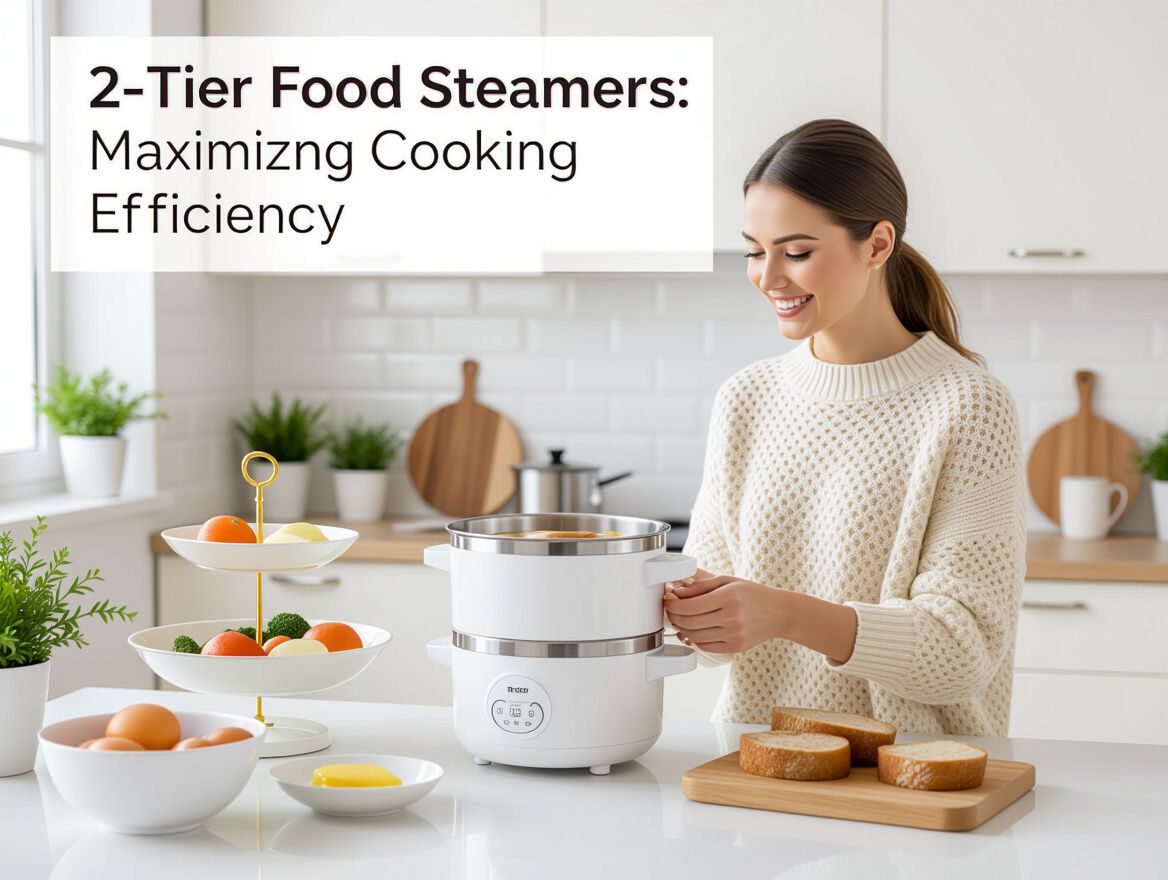
Additional Functionality: Features like built-in timers, multi-level steaming trays, and automatic shut-off can enhance convenience. Timers help you avoid overcooking, while multiple tiers allow you to steam different foods simultaneously, maximizing efficiency.
By taking these features into account, you can find a food steamer that not only fits your cooking style but also supports healthier meal preparation.
Trade-offs and Considerations When Choosing Food Steamers
While food steamers offer numerous benefits, it's essential to weigh their limitations against your cooking needs. Here are some trade-offs and considerations that may influence your decision:
-
Cooking Method Limitations: Food steamers primarily excel in steaming, which may limit your cooking repertoire. If you often require methods like frying, roasting, or baking, you might need additional appliances to meet those needs.
-
Initial Investment Cost: High-quality food steamers can come with a significant upfront cost. While they can save you money on health-related expenses in the long run, it's crucial to consider if the initial investment aligns with your budget and cooking habits.
-
Space and Storage Issues: In smaller kitchens, the size and storage of a food steamer can be a concern. Many models can be bulky or require dedicated counter space. Assess whether you have adequate space for both the steamer and the additional ingredients or accessories it may require.
-
Learning Curve: If you're new to steaming, there might be a learning curve to understand cooking times and techniques for various foods. This could initially lead to trial and error, potentially affecting meal preparation efficiency.
By considering these factors, you can better determine if a food steamer fits your lifestyle and cooking preferences, ensuring a more informed purchase decision.
Frequently Asked Questions About Food Steamers
When considering a food steamer for your kitchen, you may have several questions about its functionality, maintenance, and safety. Here are some common queries that can help you make an informed decision.
What types of food can be steamed?
Food steamers are remarkably versatile. They can effectively steam a wide range of foods, including:
- Vegetables: Broccoli, carrots, and spinach maintain their color and nutrients.
- Fish and Seafood: Delicate proteins like salmon and shrimp cook evenly without drying out.
- Grains: Rice and quinoa can be prepared using steaming methods for a fluffy texture.
- Desserts: Some steamers can also handle custards and puddings, resulting in a moist finish.
This versatility allows home cooks to create balanced meals efficiently.
How do you clean and maintain a food steamer?
Proper cleaning and maintenance are crucial for extending the lifespan of your food steamer. Here are some tips:
- Daily Cleaning: After each use, wash removable parts with warm, soapy water. Avoid abrasive cleaners that could scratch surfaces.
- Descaling: If your steamer uses water, you may need to descale it periodically to remove mineral buildup. A mixture of vinegar and water can be effective for this purpose.
- Drying: Ensure all components are thoroughly dried before reassembling to prevent mold growth.
Regular maintenance will ensure optimal performance and hygiene.
Are there any health risks associated with using food steamers?
Food steamers are generally considered safe for cooking; however, a few points should be noted:
- Material Safety: Ensure that the materials used in the steamer are food-safe. Some plastic components may not be suitable for high temperatures.
- Steam Burns: Be cautious when handling the steamer, as the steam can cause burns. Always use protective gear when opening the lid.
- Overcooking: Although steaming is a healthy method, overcooking can lead to nutrient loss. Monitor cooking times closely to preserve food quality.
By being aware of these aspects, you can enjoy the benefits of food steamers while minimizing any potential risks.
Making an Informed Decision on Food Steamers
In summary, food steamers offer a range of benefits that align with healthier cooking practices. From nutrient preservation to reduced fat intake, they provide an efficient way to prepare meals that are both delicious and nutritious. As you consider integrating a food steamer into your kitchen, it's important to reflect on your personal cooking habits and preferences.
Key Considerations Before You Buy:
- Cooking Frequency: Evaluate how often you cook and the types of meals you prepare. If you frequently steam vegetables or fish, a steamer can be a valuable addition to your kitchen.
- Space and Storage: Consider the available space in your kitchen. Some steamers are compact and easy to store, while others may require more counter space.
- Meal Preparation Style: If you prefer batch cooking or meal prepping, a steamer with multiple tiers might be beneficial, allowing you to cook several dishes at once.
Final Thoughts:
Investing in a food steamer can enhance your culinary repertoire and contribute to healthier eating habits. By assessing your cooking style and the features that matter most to you, you can select a steamer that meets your needs and elevates your cooking experience. Ultimately, the right choice will not only improve meal quality but also promote a healthier lifestyle in your home.