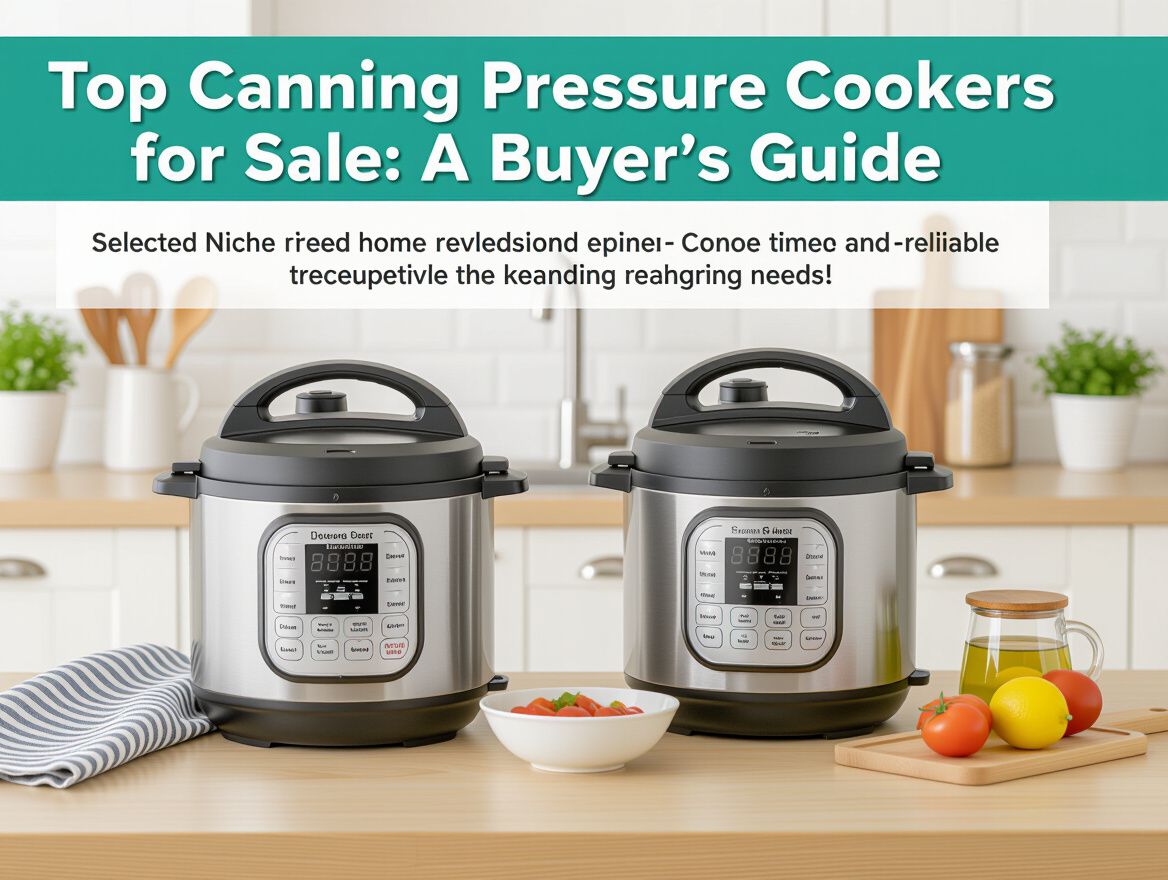
Top Canning Pressure Cookers for Sale: A Buyer’s Guide
Understanding Canning Pressure Cookers
Canning pressure cookers are specialized kitchen appliances designed for the safe preservation of food through pressure canning. Unlike traditional boiling water methods, these cookers use high pressure to raise the boiling point of water, allowing for the safe canning of low-acid foods like vegetables and meats. This method is crucial for preventing the growth of harmful bacteria, such as botulism, ensuring that home-canned goods are safe for consumption.
Safety and efficiency are paramount in the canning process. A reliable canning pressure cooker should have a secure sealing system, quality gaskets, and an accurate pressure gauge to maintain the necessary pressure levels. Without these features, you risk under-processing your food, which can lead to spoilage or foodborne illnesses.
This article aims to guide you through the complexities of choosing the right canning pressure cooker based on your specific needs and preferences. By understanding key features, safety standards, and common issues, you can make an informed decision that ensures your canning endeavors are both safe and successful.
Key Features to Look for in Canning Pressure Cookers
When selecting a canning pressure cooker, understanding the essential features can significantly impact your canning success and safety. Here’s a checklist to guide your decision-making process:
-
Safety Features:
- Gasket Quality: Look for high-quality gaskets that create a secure seal to prevent steam leaks. Regularly check their condition to ensure they are clean and properly aligned.
- Lid Alignment: Ensure the lid fits snugly and aligns correctly with the body of the cooker to maintain consistent internal pressure during operation.
-
Capacity and Size Options:
- Assess your canning needs based on the volume of food you plan to preserve. Common sizes can accommodate anywhere from 4 quart jars to larger models that hold up to 7 quart jars or more. Choose a size that matches your typical batch sizes.
-
Material Types:
- Stainless Steel vs. Aluminum: Stainless steel pressure cookers are generally more durable and resistant to corrosion, while aluminum models tend to be lighter and more affordable. Consider which material aligns with your priorities for longevity and weight.
-
Compatibility with Stove Types:
- Ensure that the canning pressure cooker is compatible with your stove type, whether it’s gas, electric, or induction. Some models are designed specifically for certain heat sources, affecting their performance and safety.
By considering these features, you can make a more informed choice that aligns with your canning goals and kitchen setup.
Evaluating Different Types of Canning Pressure Cookers
When considering canning pressure cookers for sale, it's essential to understand the differences between electric and stovetop models, as each type has distinct advantages and limitations that can significantly impact your canning experience.
Electric Pressure Cookers
Pros:
- Ease of Use: Electric models often come with preset functions, making them user-friendly, especially for beginners.
- Temperature Control: These cookers maintain consistent pressure and temperature, reducing the risk of overheating or undercooking.
- Automatic Shut-off: Many electric models feature safety mechanisms that prevent overcooking.
Cons:
- Capacity Limitations: Electric pressure cookers generally have smaller capacities compared to stovetop models, which may be a concern for large batch canning.
- Dependency on Power: They require an electrical outlet, limiting their use in areas without power access.
Best Use Cases:
- Ideal for novice canners or those who prefer convenience and automation in their cooking process.
- Suitable for smaller households or individuals who do not frequently can large quantities of food.
Stovetop Pressure Cookers
Pros:
- Higher Capacity: Stovetop models often accommodate larger batches, making them ideal for serious canners.
- Faster Cooking Times: They typically reach and maintain high pressure more quickly than electric versions, which can save time.
- Versatility: Many stovetop pressure cookers can also be used for regular cooking tasks, such as boiling or steaming.
Cons:
- Manual Monitoring: Users must actively monitor the pressure and temperature, requiring more hands-on involvement.
- Learning Curve: They may be less intuitive for beginners, as proper pressure regulation can be tricky without experience.
Best Use Cases:
- Perfect for experienced canners who frequently prepare large quantities of preserves or for those who want a multi-functional cooking appliance.
- Beneficial for users who prefer traditional methods and have the necessary stove space.
Conclusion
Selecting the right type of canning pressure cooker hinges on your specific canning needs, cooking habits, and preferences. Electric models offer convenience and ease of use, while stovetop cookers provide capacity and speed. Consider your canning goals and the trade-offs of each type to choose the model that best fits your kitchen and lifestyle.
Common Risks and Considerations When Buying Canning Pressure Cookers
Purchasing a canning pressure cooker involves navigating various risks and considerations that can significantly impact your canning experience. Understanding these potential pitfalls can help you make a more informed decision and ensure your investment is worthwhile.
-
Steam Leaks and Pressure Fluctuations: One of the most critical issues with pressure cookers is the potential for steam leaks, which can prevent the cooker from reaching or maintaining the necessary pressure. This problem is often caused by damaged or dirty gaskets. Ensure that the sealing system is robust and that gaskets are in good condition to avoid these issues.
-
Reputable Brands: It’s essential to purchase from reputable brands known for quality and reliability. Established manufacturers typically adhere to safety standards and provide products that have been tested for performance. Investing in a well-reviewed canner from a trusted brand can mitigate the risks associated with inferior products.
-
Warranty and Support Options: Before making a purchase, check the warranty and customer support options available. A good warranty can provide peace of mind, protecting you against defects or issues that may arise after purchase. Additionally, responsive customer support can help you troubleshoot problems effectively should they occur.
By being aware of these risks and considerations, you can select a canning pressure cooker that aligns with your canning needs while minimizing potential issues.
Frequently Asked Questions About Canning Pressure Cookers
When considering canning pressure cookers for sale, potential buyers often have specific questions that can help clarify their choices. Here are some common inquiries and their answers to assist you in making an informed decision.
What is the best size for a canning pressure cooker?
The ideal size for a canning pressure cooker largely depends on your canning needs. Typical sizes include:
- Small (4-6 quart): Suitable for beginners or those who can small batches, typically holding about 4 quart jars or 7 pint jars.
- Medium (7 quart): A popular choice for families, accommodating 7 quart jars or 8-9 pint jars, ideal for regular canning.
- Large (15 quart and above): Designed for serious canners, allowing for larger batches or diverse canning needs, including stacking jars.
Choosing the right size ensures efficiency and meets your canning frequency, whether for personal use or larger preservation projects.
How do I maintain my canning pressure cooker?
Proper maintenance is essential for the longevity and safety of your canning pressure cooker. Here are key maintenance tips:
- Regular Cleaning: Clean the cooker after each use, focusing on gaskets and seals to prevent food residue buildup.
- Check Gaskets: Inspect gaskets for wear and tear. Replace them if they are cracked or damaged to ensure a proper seal.
- Calibrate Pressure Gauge: If your cooker has a gauge, ensure it is calibrated correctly for accurate pressure readings. Some manufacturers recommend checking this annually.
By following these maintenance practices, you can enhance the performance and safety of your pressure cooker.
Are used canning pressure cookers reliable?
Purchasing used canning pressure cookers can be a cost-effective option, but it comes with certain considerations:
- Condition Assessment: Inspect the cooker for any signs of damage, particularly the gasket and sealing system. A damaged seal can lead to unsafe canning practices.
- Brand Reputation: Opt for well-known brands that have a track record of reliability. This can assure you of better quality in used models.
- History of Use: Inquire about the previous owner's usage. If the cooker was well-maintained and not overused, it may still be a reliable option.
While used canning pressure cookers can be dependable, thorough evaluation is crucial to ensure your safety and canning success.
Making Your Decision: Choosing the Right Canning Pressure Cooker
Selecting the ideal canning pressure cooker requires careful consideration of your unique needs and preferences. As you weigh your options, keep the following essential features and considerations in mind:
-
Safety Standards: Prioritize models with robust safety features, including high-quality gaskets and secure lid alignment. These elements are crucial for preventing steam leaks and ensuring that internal pressure remains consistent, which is vital for safe canning.
-
Capacity Needs: Determine the volume of food you typically process. If you often can large batches, a model that accommodates multiple quart jars may be necessary. Conversely, if you usually work with smaller quantities, a compact model might suffice.
-
Material Considerations: The choice between stainless steel and aluminum can affect durability and weight. Stainless steel is generally more resilient and resistant to corrosion, while aluminum models may offer a lighter option and lower cost. Assess which material aligns with your cooking habits and storage capabilities.
-
Stove Compatibility: Ensure that the pressure cooker you choose is compatible with your stove type. Some models are designed for specific heat sources, which can limit your options based on your kitchen setup.
-
User Experience: Consider features that enhance usability, such as intuitive pressure gauges and easy-to-read markings. A user-friendly design can simplify the canning process, particularly for beginners.
In conclusion, making an informed decision about a canning pressure cooker involves weighing these criteria against your personal canning goals. By focusing on quality and reliability, you can ensure that your investment supports safe and successful food preservation for years to come.
More in Pressure Cookers
View All