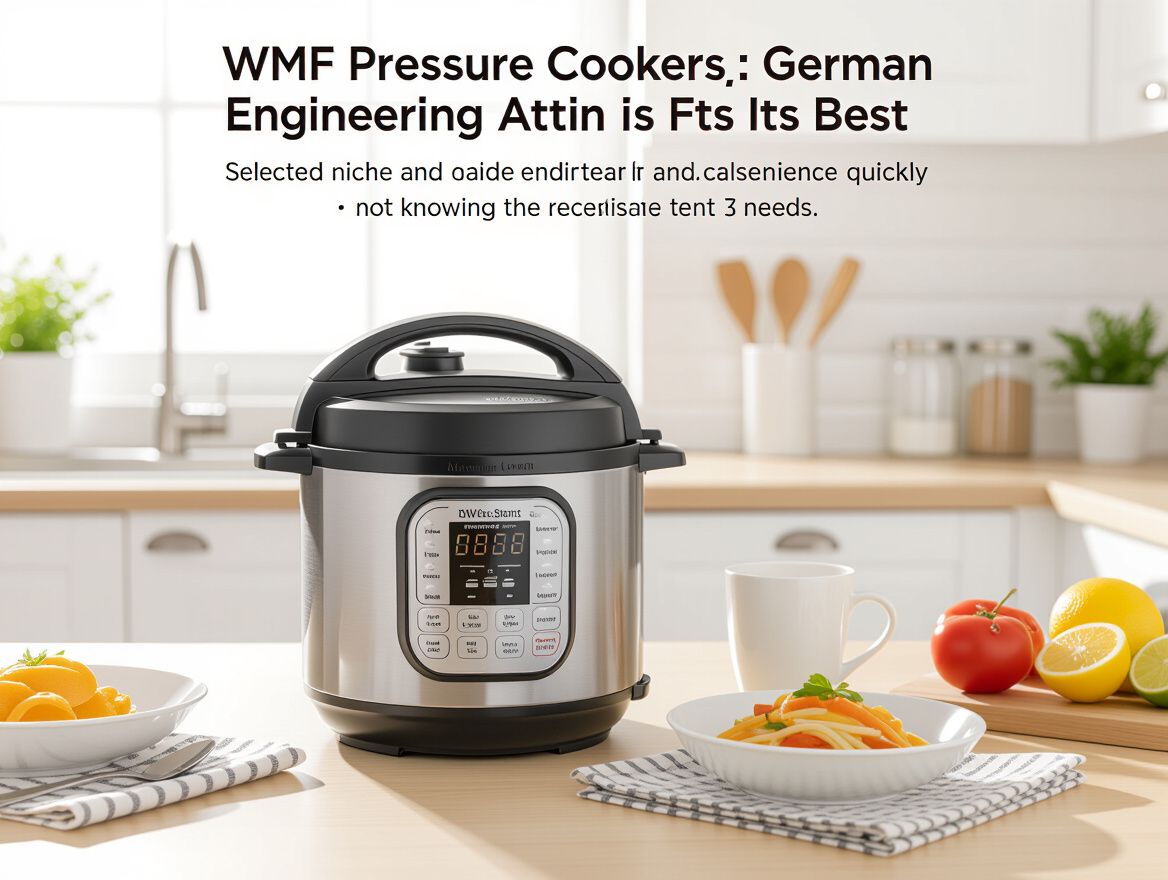
WMF Pressure Cookers: German Engineering at Its Best
Introduction to WMF Pressure Cookers
WMF, a renowned German brand, has established a strong reputation for its high-quality kitchenware, particularly pressure cookers. Known for their innovative engineering, WMF pressure cookers are designed to enhance the cooking experience by preserving vitamins and nutrients while significantly reducing cooking time. This functionality makes them a valuable addition to modern kitchens, where efficiency and health-conscious cooking are priorities.
When considering a WMF pressure cooker, it’s essential to understand the key features that set this brand apart:
- Robust Construction: WMF pressure cookers are typically made from high-grade stainless steel, ensuring durability and resistance to wear and tear.
- Safety Mechanisms: Many models come equipped with advanced safety features, including a secure locking system and pressure indicators, which help prevent accidents during cooking.
- User-Friendly Design: Features like ergonomic handles and clear markings on the pressure gauge enhance usability, making them suitable for both novice and experienced cooks.
However, potential buyers should also be aware of some considerations. Users have reported occasional issues with the reliability of the pressure gauge and handle mechanisms, which can impact performance. Understanding these trade-offs is crucial for making an informed decision about whether a WMF pressure cooker aligns with your cooking needs and preferences.
Key Buying Criteria for WMF Pressure Cookers
When considering WMF pressure cookers, it's essential to evaluate several key features and specifications that can significantly impact your cooking experience. Here’s a checklist to guide your decision-making process:
-
Capacity Options: WMF pressure cookers come in various sizes, from small models suitable for single servings to larger ones ideal for family meals. Assess your cooking needs and kitchen space to choose the right capacity.
-
Material Quality: WMF primarily uses stainless steel for its pressure cookers, which is known for durability and resistance to rust and corrosion. This contrasts with aluminum models, which may be lighter but can warp over time. Consider the long-term benefits of investing in stainless steel.
-
Safety Features and Mechanisms: Look for essential safety features, such as pressure release valves, locking mechanisms, and visual indicators for pressure levels. Some users have reported issues with handle mechanisms and pressure gauges in WMF models, so ensure the design feels reliable and secure.
-
Ease of Use and Maintenance: Evaluate the cooker’s design for user-friendliness, including how straightforward it is to operate and clean. A model that allows for easy disassembly and dishwasher-safe components can save you time and effort.
By considering these criteria, you can make a more informed decision about whether a WMF pressure cooker aligns with your cooking style and safety preferences.
Performance Analysis of WMF Pressure Cookers
WMF pressure cookers are recognized for their engineering excellence, particularly in cooking efficiency and energy conservation. However, potential buyers should consider several factors before making a decision.
Cooking Speed and Energy Efficiency
One of the standout features of WMF pressure cookers is their ability to significantly reduce cooking time. They are designed to cook food faster than traditional methods, saving both time and energy. This efficiency can be particularly advantageous for busy households looking to streamline meal preparation.
Vitamin-Preserving Capabilities
WMF pressure cookers are engineered to preserve essential vitamins and nutrients in food. The high-pressure cooking environment reduces cooking times, which helps maintain the integrity of vitamins that may otherwise be lost during longer cooking processes. This feature can be especially important for health-conscious consumers aiming to optimize their diet.
User Experiences and Reliability Issues
Despite their many benefits, user experiences with WMF pressure cookers have been mixed. Some consumers report issues with the reliability of the handle mechanisms and pressure gauges, which can affect the overall cooking experience. For instance, problems such as the slide mechanism sticking or the pressure gauge becoming dislodged have been noted. These reliability concerns may lead to erratic sealing and difficulties in opening the cooker after use, potentially causing frustration.
Considerations for Buyers
When evaluating WMF pressure cookers, consider the following:
- Cooking Needs: Assess whether the cooking speed and vitamin preservation capabilities align with your culinary goals.
- Reliability: Be aware of potential reliability issues based on user feedback, and consider whether you are comfortable with the risks involved.
- Energy Consumption: Factor in the energy savings that may come with faster cooking times, which can contribute to overall efficiency in your kitchen.
Understanding these elements will help you make a more informed decision about whether a WMF pressure cooker is the right fit for your cooking style and needs.
Trade-offs and Limitations of WMF Pressure Cookers
While WMF pressure cookers are celebrated for their engineering and design, potential buyers should be aware of some trade-offs and limitations that may affect their decision. Understanding these aspects will help you assess whether a WMF pressure cooker aligns with your cooking needs.
-
Handle Mechanisms: Users have reported issues with the handle mechanisms, which can be erratic and sometimes make it difficult to open the cooker after use. This inconsistency can be frustrating, particularly when you're looking for a quick release after cooking.
-
Pressure Gauge Reliability: Another common concern is the reliability of the pressure gauge. Some users have experienced gauges that fall off or fail to provide accurate readings, leading to uncertainty about whether the cooker is maintaining the correct pressure. This can impact cooking times and results.
-
Performance Compared to Competitors: When compared to brands like Fissler, some users find WMF pressure cookers less consistent in performance. Fissler models are often praised for their reliability and ease of use, making them a viable alternative for those prioritizing performance.
-
Ideal Use Cases: WMF pressure cookers may not be the best fit for everyone. If you frequently cook dishes that require quick pressure release or need precise pressure control, you might find other brands more suited to your cooking style. The potential for handle and gauge issues may also deter those who prefer hassle-free cooking experiences.
By weighing these trade-offs and considering your specific cooking habits, you can make a more informed decision about whether a WMF pressure cooker is the right choice for your kitchen.
Frequently Asked Questions about WMF Pressure Cookers
When considering a WMF pressure cooker, potential buyers often have specific questions that can influence their purchasing decisions. Here are some common inquiries:
What buyer problem do WMF pressure cookers solve?
WMF pressure cookers primarily address the need for efficient, health-conscious cooking. They are designed to:
- Preserve Nutrients: The pressure cooking process retains vitamins and minerals that can be lost during traditional cooking methods.
- Save Time: They significantly reduce cooking times, making it easier for busy individuals or families to prepare meals quickly.
- Enhance Flavor: The sealed environment allows for deeper flavors and tender textures in dishes, appealing to those who prioritize taste.
Which brand criteria should influence the buying decision?
When evaluating WMF pressure cookers, consider the following criteria:
- Material Quality: Look for high-grade stainless steel construction for durability and resistance to corrosion.
- Safety Features: Assess the presence of reliable locking mechanisms and pressure indicators to ensure safe operation.
- User Experience: Ergonomic designs and clear pressure gauges can enhance usability, particularly for novice cooks.
What are the most common concerns with WMF pressure cookers?
While WMF pressure cookers have many benefits, some users have raised concerns:
- Reliability Issues: There have been reports of problems with pressure gauges and handle mechanisms, which can affect the cooker’s performance and safety.
- Learning Curve: New users may find it challenging to adapt to the pressure cooking process, necessitating a bit of practice to master.
- Cost Considerations: WMF pressure cookers may be priced higher than some alternatives, which could be a deciding factor for budget-conscious consumers.
Understanding these aspects can help you make a more informed decision about whether a WMF pressure cooker is the right fit for your kitchen needs.
Conclusion: Is a WMF Pressure Cooker Right for You?
In summary, WMF pressure cookers embody a blend of German engineering and user-centered design, offering several advantages for home cooks. Their robust construction, made primarily from high-grade stainless steel, ensures longevity and durability, while features like secure locking systems and pressure indicators enhance safety during cooking. Additionally, the ability to preserve vitamins and nutrients while significantly reducing cooking time aligns with modern culinary preferences.
However, it's important to weigh these strengths against potential drawbacks. Users have reported occasional issues with the reliability of pressure gauges and handle mechanisms, which could affect the overall cooking experience. This variability may lead to frustrations, especially for those who prioritize consistent performance.
When deciding if a WMF pressure cooker is the right choice for you, consider the following:
- Cooking Habits: Assess whether the cooking speed and nutrient preservation features align with your lifestyle and dietary goals.
- Kitchen Space and Capacity Needs: Choose a model that fits your kitchen space and cooking volume, ensuring it meets your family or individual needs.
- Budget: Weigh the investment against your cooking frequency and the potential longevity of the product.
Ultimately, understanding these factors will help you make an informed decision, ensuring that your choice in pressure cookers aligns with both your cooking style and expectations.
More in Pressure Cookers
View All