Aluminum Pressure Cookers: Pros and Cons
Understanding Aluminum Pressure Cookers
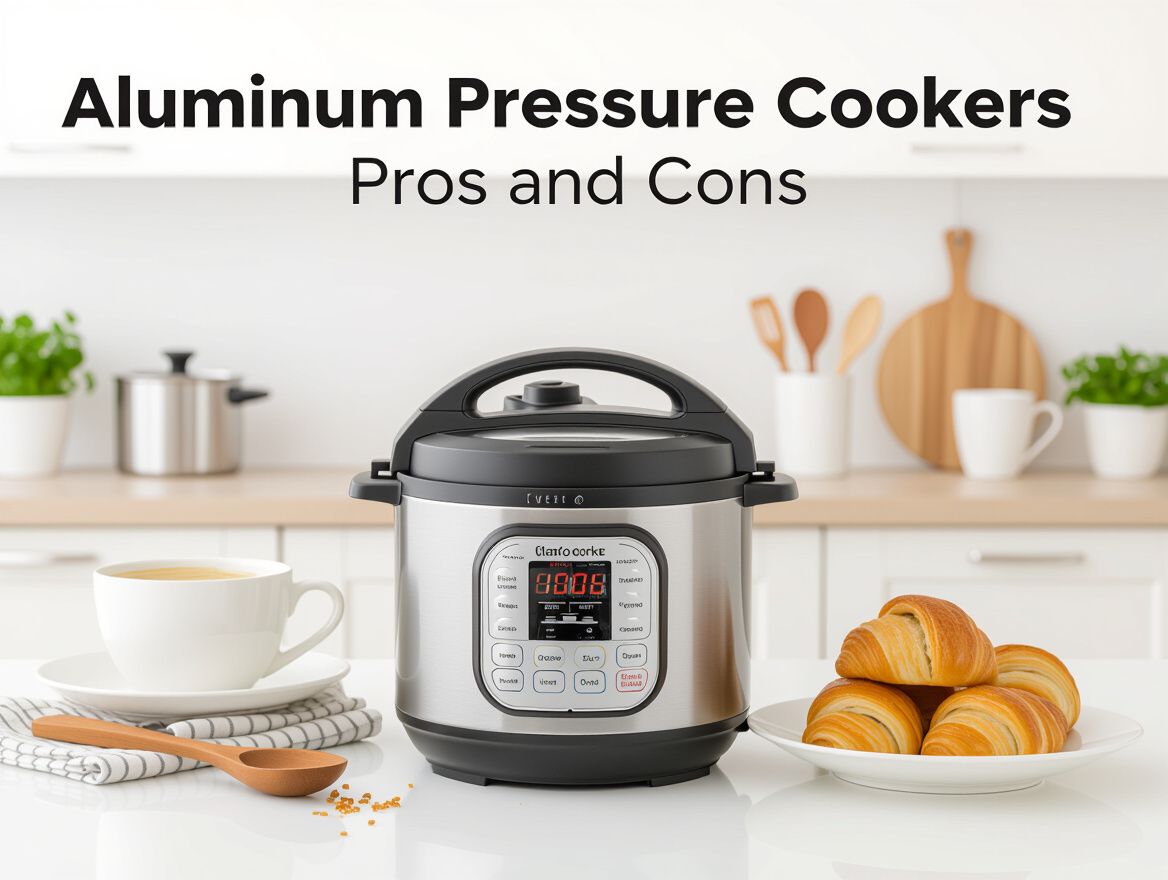
Aluminum pressure cookers are a popular choice among home cooks due to their lightweight construction and efficient heat conduction. These cookers function by sealing in steam, which raises the internal pressure and allows food to cook faster than traditional methods. This makes them particularly appealing for those seeking to save time in the kitchen while still preparing flavorful meals.
The choice of aluminum as a primary material stems from several advantages:
- Lightweight: Aluminum cookers are significantly lighter than their stainless steel counterparts, making them easier to handle and store.
- Cost-effective: Generally, aluminum pressure cookers are less expensive, making them accessible for budget-conscious cooks.
- Excellent heat conduction: Aluminum heats up quickly and evenly, promoting efficient cooking and reducing the risk of hot spots that can lead to unevenly cooked food.
While these benefits make aluminum pressure cookers an attractive option for everyday cooking, it's essential to consider their limitations as well. For instance, aluminum is less durable than stainless steel, which may affect the longevity of the cooker. Additionally, some users report issues with deformation over time due to aluminum's softer nature, which can impact performance. Understanding these trade-offs can help you make an informed decision that aligns with your cooking needs and preferences.
Advantages and Disadvantages of Aluminum Pressure Cookers
Aluminum pressure cookers are popular among home cooks due to their lightweight design and budget-friendly pricing. However, they come with a set of pros and cons that potential buyers should carefully consider.
Advantages
-
Lightweight and Affordable: Aluminum pressure cookers are significantly lighter than their stainless steel counterparts, making them easier to handle and store. Their lower manufacturing cost also translates into more affordable prices, making them an attractive option for budget-conscious cooks.
-
Efficient Heat Conduction: Aluminum is known for its excellent heat conductivity. This means that these cookers heat up quickly and distribute heat evenly, which can lead to more consistent cooking results.
Disadvantages
-
Durability Concerns: One of the major drawbacks of aluminum pressure cookers is their durability. Compared to stainless steel, aluminum is softer and more prone to scratches and dents. Over time, this can affect the cooker’s performance and longevity.
-
Potential for Deformation: Aluminum has a lower melting point than stainless steel, which can lead to deformation if the cooker is subjected to high heat for extended periods. This may compromise the integrity of the pressure cooker and could affect its sealing capabilities.
-
Warranty Limitations: Many aluminum pressure cookers come with limited warranties. This may be a concern for buyers who prioritize long-term investment in their kitchen tools, as warranty coverage can vary significantly between brands.
Key Considerations
Before purchasing an aluminum pressure cooker, weigh these advantages and disadvantages against your cooking needs. If you're looking for an affordable and lightweight option for everyday use, an aluminum pressure cooker may be suitable. However, if you prioritize durability and long-term performance, you might want to consider stainless steel alternatives. Always check the warranty details and user reviews to better understand potential issues related to deformation and overall reliability.
Key Buying Criteria for Aluminum Pressure Cookers
When considering an aluminum pressure cooker, it's essential to evaluate several key criteria to ensure you select a model that fits your cooking needs and lifestyle. Here's a checklist to guide your purchasing decision:
-
Size and Capacity Options: Aluminum pressure cookers come in various sizes. Assess your typical meal portions and kitchen storage space to choose a capacity that suits your cooking habits. Common sizes range from 4 to 10 quarts, catering to everything from small family meals to larger gatherings.
-
Safety Features and Valve Mechanisms: Look for models equipped with reliable safety features, such as pressure release valves and locking mechanisms. These features help prevent accidents and ensure the cooker operates safely under high pressure. Check for user-friendly designs that simplify the pressure release process.
-
Brand Reputation and Warranty Considerations: Research brands known for their quality and customer service. A good warranty can provide peace of mind, as aluminum pressure cookers may have durability concerns compared to stainless steel. Look for brands that offer solid warranties to protect your investment.
-
User Reviews and Feedback: Reading user reviews can provide insights into real-world performance and potential issues. Look for feedback on cooking efficiency, ease of use, and any common problems reported by other buyers, such as deformation or gasket failures.
By considering these criteria, you can make a more informed decision on which aluminum pressure cooker will best meet your cooking needs while minimizing risks associated with their use.
Trade-offs When Choosing Aluminum Pressure Cookers
When considering aluminum pressure cookers, it's essential to weigh their advantages against those of other materials, such as stainless steel and hard anodized options. Each material offers distinct performance characteristics, longevity, and cost implications that can significantly influence your cooking experience.
Performance Differences
- Heat Conduction: Aluminum is known for its excellent heat conduction, allowing for faster cooking times and even heat distribution. This can be particularly beneficial for quick meals.
- Weight: Aluminum pressure cookers are lighter than their stainless steel counterparts, making them easier to handle, especially when full.
- Durability: While aluminum performs well initially, it is generally less durable than stainless steel. Over time, aluminum may warp or deform due to its lower melting point, especially under high pressure.
Cost vs. Longevity
- Affordability: Aluminum pressure cookers are typically more budget-friendly than stainless steel models. If you're looking for a cost-effective option for everyday cooking, aluminum may seem appealing.
- Lifespan: However, the lower durability of aluminum can lead to a shorter lifespan compared to stainless steel. If you cook frequently or plan to use the pressure cooker for years, investing in a more durable model might be wise.
Comparison with Hard Anodized Options
- Surface Treatment: Hard anodized pressure cookers offer a more durable surface than standard aluminum. They are scratch-resistant and non-reactive, making them suitable for a variety of recipes without the risk of chemical leaching.
- Performance: Hard anodized models also provide excellent heat distribution, similar to aluminum, but generally with enhanced longevity and resistance to wear.
In summary, while aluminum pressure cookers provide quick cooking and affordability, their trade-offs include potential durability issues and a shorter lifespan compared to stainless steel and hard anodized options. When making your decision, consider how often you'll use the cooker and the types of meals you typically prepare to find the best fit for your kitchen needs.
Risks and Considerations of Aluminum Pressure Cookers
While aluminum pressure cookers offer several advantages, it's crucial to weigh their risks and considerations to ensure they meet your cooking needs effectively. Here are some key points to consider:
-
Gasket Failure and Maintenance Issues: The gasket is a critical component that ensures a proper seal within the cooker. Over time, gaskets can wear out or fail, leading to pressure loss and inefficient cooking. Regular maintenance and timely replacement are essential, but this can be an added responsibility for home cooks.
-
Health Concerns Regarding Aluminum Cookware: There has been ongoing debate regarding the safety of aluminum cookware. Although most modern aluminum pressure cookers are treated to reduce leaching, some health experts recommend caution, particularly when cooking acidic foods, which may react with aluminum. It's important to research and choose models that prioritize safety.
-
Potential for Uneven Cooking: While aluminum is known for its excellent heat conduction, some users report issues with uneven cooking, particularly if the cooker is not adequately maintained. Warping or deformation over time can affect heat distribution, leading to inconsistent results in your dishes.
Understanding these risks will help you make a more informed decision about whether an aluminum pressure cooker is the right choice for your kitchen. Consider your cooking habits, maintenance willingness, and any health concerns when evaluating aluminum models against other materials.
Frequently Asked Questions About Aluminum Pressure Cookers
What are the common problems faced by buyers?
Buyers of aluminum pressure cookers often encounter several issues, including:
- Deformation: Due to aluminum's lower softening point, these cookers can warp over time, affecting their ability to maintain pressure.
- Gasket failure: Users frequently report problems with gaskets, which can lead to steam leaks and reduced cooking efficiency.
- Limited warranties: Many aluminum pressure cookers come with warranties that cover only the metal, leaving users vulnerable to issues related to other components.
- Cumbersome release mechanisms: Some models have complicated pressure release systems, making them less user-friendly.
How do aluminum pressure cookers compare to other materials?
When comparing aluminum pressure cookers to stainless steel or hard-anodized models, consider the following:
- Weight: Aluminum cookers are lighter, making them easier to handle and store.
- Cost: They are typically less expensive than stainless steel options, appealing to budget-conscious buyers.
- Durability: While aluminum heats quickly and evenly, it is less durable than stainless steel, which can withstand higher temperatures and is resistant to scratches and dents.
- Heat conduction: Aluminum provides excellent heat conduction, whereas stainless steel may require a thicker base for even cooking.
What features should be prioritized when buying?
When selecting an aluminum pressure cooker, focus on these essential features:
- Safety mechanisms: Look for models with reliable pressure release valves and locking systems to enhance safety during use.
- Capacity: Choose a size that aligns with your cooking needs, considering how many portions you typically prepare.
- Ease of cleaning: Consider non-stick surfaces or designs that simplify cleaning, as aluminum can be prone to staining.
- User-friendly design: Ensure that the cooker has straightforward operating instructions and intuitive controls for a hassle-free cooking experience.
Understanding these common concerns and essential features can significantly aid in making an informed decision about aluminum pressure cookers, aligning your choice with your cooking style and safety requirements.
Making the Right Choice for Your Kitchen
When considering aluminum pressure cookers, it's crucial to weigh both the advantages and disadvantages to ensure they align with your cooking needs.
Key Takeaways
-
Pros:
- Lightweight and Affordable: Ideal for those who prioritize ease of handling and budget constraints.
- Efficient Heat Conduction: Quick heating and even heat distribution can enhance cooking efficiency.
-
Cons:
- Durability Issues: Susceptible to deformation and wear over time, potentially affecting long-term performance.
- Limited Warranty and Maintenance Concerns: Some models may have shorter warranties, which could be a factor for long-term use.
Personal Cooking Needs
Ultimately, your choice should reflect your cooking habits and preferences. If you frequently prepare meals for a small family and value quick, efficient cooking, an aluminum pressure cooker could be a suitable option. However, if you prioritize durability and long-term investment, you may want to consider alternatives like stainless steel. Understanding these trade-offs will empower you to make an informed decision that best suits your kitchen.
More in Pressure Cookers
View All