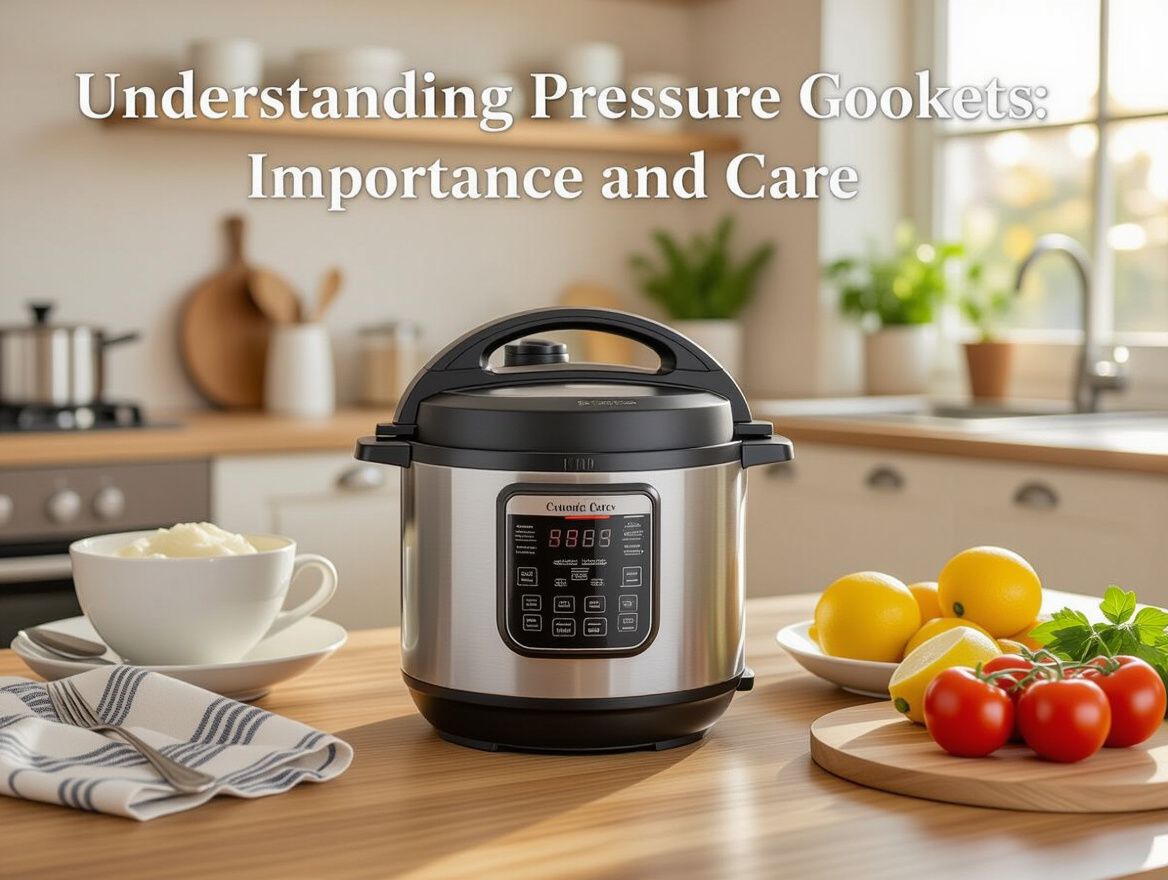
Understanding Pressure Cooker Gaskets: Importance and Care
The Role of Gaskets in Pressure Cookers
Gaskets are essential components in pressure cookers, serving as seals that maintain the necessary pressure during cooking. Typically made from materials like silicone or rubber, these rings fit snugly between the pot and the lid, preventing steam from escaping. A well-functioning gasket not only enhances cooking efficiency but also ensures safety by reducing the risk of pressure-related accidents.
The impact of a good gasket on performance is significant. It helps to:
- Maintain Pressure: A tight seal allows the pressure cooker to reach and sustain the high temperatures needed for efficient cooking.
- Enhance Safety: Properly functioning gaskets minimize the risk of steam leaks, which can lead to dangerous situations.
- Improve Cooking Time: With an effective seal, the cooker can achieve the desired pressure quicker, thereby reducing overall cooking time.
Understanding the critical role of gaskets can guide consumers in selecting the right gasket for their pressure cookers, ensuring both safety and performance in their cooking endeavors.
Why Gaskets Matter
Gaskets are a crucial component of pressure cookers, playing a vital role in maintaining the cooker’s pressure and ensuring safe operation. The integrity of the gasket directly influences the cooker’s performance; a damaged or worn gasket can lead to significant issues.
-
Pressure Regulation: Gaskets create a tight seal between the lid and the pot, which is essential for building and maintaining pressure. If the seal is compromised, steam can escape, preventing the cooker from reaching the necessary pressure levels for safe and effective cooking.
-
Consequences of Damage: A damaged gasket may cause steam leaks, resulting in longer cooking times and inconsistent results. In severe cases, it can lead to safety hazards, such as the risk of the lid blowing off due to excessive pressure buildup.
-
Material Considerations: Most gaskets are made from silicone or rubber, both of which have specific durability and temperature resistance characteristics. Choosing a gasket that matches the manufacturer’s specifications is critical, as using an incorrect gasket can exacerbate sealing issues and may void warranties.
In summary, understanding the importance of gaskets in pressure cookers helps consumers make informed decisions regarding maintenance and replacements. Regularly inspecting and replacing gaskets as needed can enhance the overall cooking experience and ensure safety in the kitchen.
Choosing the Right Gasket for Your Pressure Cooker
Selecting the appropriate gasket for your pressure cooker is crucial for safe and efficient cooking. Here’s a checklist of key features and considerations to help you make an informed decision:
-
Material: Most pressure cooker gaskets are made from rubber or silicone. Silicone gaskets tend to be more durable and can withstand higher temperatures, making them a popular choice. Ensure the material is compatible with your cooker to avoid melting or degradation.
-
Size: Gaskets come in various sizes, and it's essential to match the diameter and thickness with your pressure cooker model. A gasket that is too large or small can lead to leaks, compromising safety and cooking efficiency.
-
Compatibility: Always refer to your pressure cooker’s manufacturer recommendations. Using a gasket that is not designed for your specific model can lead to safety hazards, including improper sealing and potential damage to the cooker.
-
Condition of the Old Gasket: If you are replacing an old gasket, consider its wear and tear. Look for cracks, stiffness, or deformation. These signs indicate that it’s time for a replacement, as a damaged gasket can lead to pressure loss and safety issues.
-
Replacement Frequency: Depending on usage and heat exposure, gaskets may need to be replaced regularly. Frequent use or high-pressure cooking can accelerate wear, so monitor the condition of your gasket regularly.
By carefully evaluating these criteria, you can ensure that you select the right gasket for your pressure cooker, enhancing both safety and performance in your cooking endeavors.
Care and Maintenance of Pressure Cooker Gaskets
Maintaining your pressure cooker gasket is crucial for ensuring safe and effective cooking. A well-cared-for gasket not only extends the life of your pressure cooker but also prevents potential safety hazards. Here are some practical tips for cleaning, maintaining, and recognizing when it's time for a replacement.
Cleaning Procedures and Frequency
- Regular Cleaning: After each use, remove the gasket and wash it with warm, soapy water. Avoid abrasive cleaners that can damage the material.
- Deep Cleaning: Occasionally, soak the gasket in a mixture of vinegar and water to remove any stubborn residue or odors. Rinse thoroughly and let it air dry completely before reattaching.
- Storage: Store the gasket in a cool, dry place away from direct sunlight to prevent deterioration.
Signs That Indicate a Gasket Needs Replacement
- Visible Damage: Look for cracks, tears, or warping in the gasket material. Any physical damage may compromise the seal and should prompt immediate replacement.
- Frequent Leaks: If you notice steam escaping from around the lid during cooking, it may indicate that the gasket is no longer providing a proper seal.
- Old Age: Gaskets typically need replacement every 1-2 years, depending on usage and exposure to heat. If yours is older, consider replacing it even if it appears intact.
By following these care guidelines and being vigilant for signs of wear, you can ensure your pressure cooker operates safely and efficiently for years to come.
Common Problems and Solutions Related to Gaskets
Gaskets are crucial for the safe and effective operation of pressure cookers, but they can encounter several issues that may compromise performance. Understanding these common problems and their solutions can help you maintain your pressure cooker effectively.
Identifying Leaks and Pressure Loss
One of the primary signs of a gasket issue is steam escaping from the pressure cooker during operation. This can lead to:
- Inadequate Pressure Buildup: If the gasket is worn or damaged, it may not create a proper seal, preventing the cooker from reaching the necessary pressure levels.
- Longer Cooking Times: A leak can cause the cooker to take longer to cook food, as it struggles to maintain the required temperature.
To address these issues, visually inspect the gasket for signs of wear, such as cracks or deformation. Cleaning the gasket and the sealing surface can also help eliminate minor leaks caused by residue buildup.
When to Seek Professional Help
If you notice persistent pressure loss or leaks despite cleaning or adjusting the gasket, it may be time to consult a professional. This is particularly important if:
- The Gasket is Severely Damaged: If you find significant cracks or tears, replacing the gasket is essential for safety.
- You’re Unsure About Repairs: Attempting to fix complex issues without proper knowledge can lead to further damage or safety risks.
Always opt for manufacturer-approved gaskets to ensure compatibility and safety. If you continue to experience issues even after replacement, consider having the entire pressure cooker evaluated by a certified technician.
By understanding these common problems and knowing when to seek help, you can prolong the life of your pressure cooker and ensure safe cooking experiences.
Frequently Asked Questions about Pressure Cooker Gaskets
Understanding the nuances of pressure cooker gaskets can help consumers make informed decisions when it comes to purchasing or replacing them. Here are answers to some common queries regarding gaskets.
Can I use any gasket for my pressure cooker?
No, it is crucial to use only manufacturer-approved gaskets specifically designed for your pressure cooker model. Each gasket has unique dimensions and properties tailored to its corresponding cooker. Using an incorrect gasket can lead to significant safety issues, including steam leaks and potential malfunction of the cooker.
What are the risks of using an incorrect gasket?
Using the wrong gasket can lead to several problems:
-
Steam Leaks: An improper seal can cause steam to escape, preventing the cooker from reaching the necessary pressure for safe cooking. This may result in longer cooking times and undercooked food.
-
Increased Safety Hazards: A compromised seal may lead to excessive pressure buildup, increasing the risk of the lid blowing off or other dangerous malfunctions.
-
Damage to the Cooker: Incorrect gaskets can cause wear and tear on the pressure cooker, potentially voiding warranties and leading to costly repairs or replacements.
By understanding these risks, consumers can prioritize selecting the right gasket for their pressure cookers, ensuring both safety and optimal cooking performance.
Final Thoughts on Pressure Cooker Gaskets
Selecting and maintaining the right gasket for your pressure cooker is crucial for both safety and cooking efficiency. A well-fitted gasket ensures that your cooker operates correctly, maintaining the necessary pressure and preventing dangerous steam leaks.
Key Considerations for Gasket Maintenance and Selection:
-
Manufacturer Specifications: Always opt for gaskets that are approved by your pressure cooker’s manufacturer. Using the wrong gasket can lead to malfunctions and safety issues.
-
Regular Inspections: Check your gasket regularly for signs of wear, such as cracks, deformation, or loss of elasticity. A compromised gasket can lead to pressure loss and cooking inconsistencies.
-
Replacement Frequency: Depending on usage and exposure to heat, gaskets may need to be replaced annually or more frequently. Keeping track of your gasket's condition can prevent unexpected cooking failures.
-
Material Matters: Gaskets are typically made from silicone or rubber. Silicone gaskets often offer better heat resistance and durability, making them a preferred choice for many users.
By understanding the critical role of gaskets and proactively maintaining them, you can enhance the performance and safety of your pressure cooker, ensuring a reliable cooking experience.
More in Pressure Cookers
View All