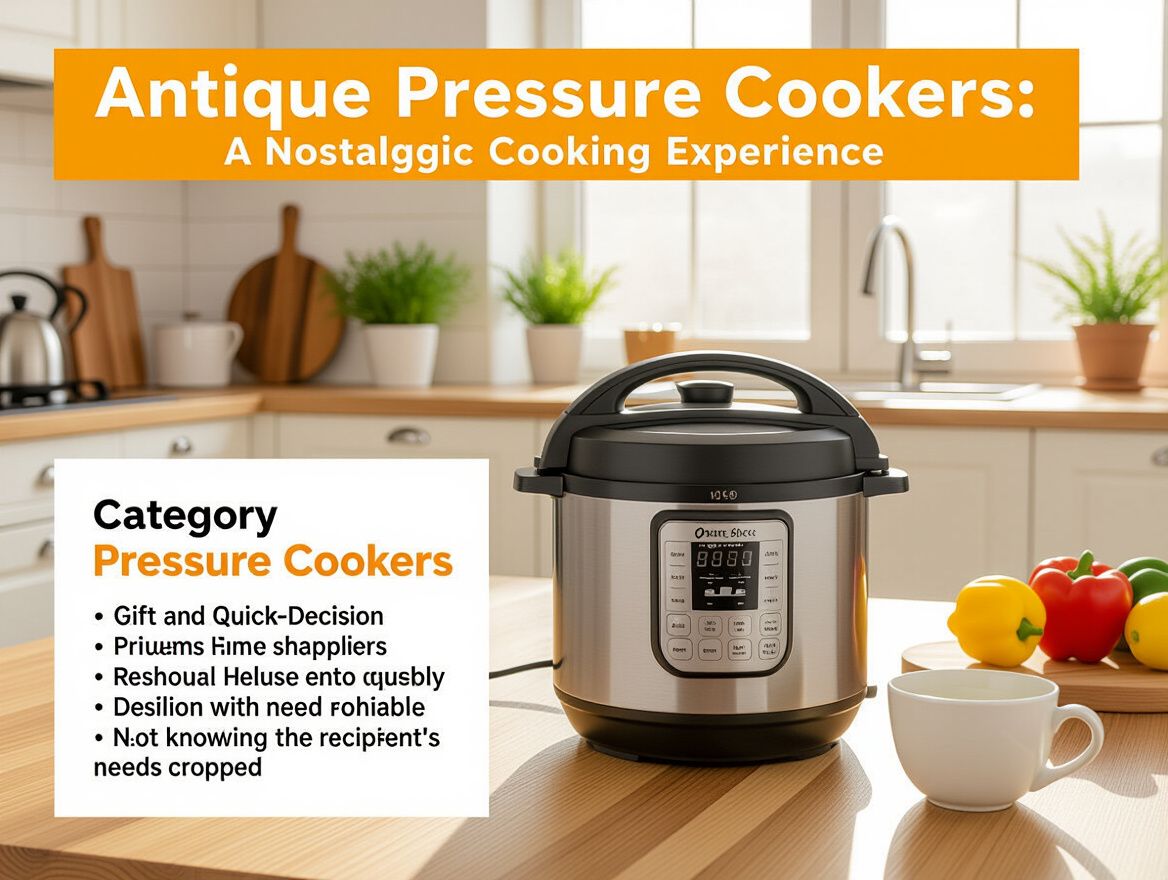
Antique Pressure Cookers: A Nostalgic Cooking Experience
Understanding Antique Pressure Cookers
Antique pressure cookers are more than just kitchen appliances; they are pieces of history that evoke nostalgia and charm. These vintage cookers, often made from materials like aluminum or cast iron, date back to the early 20th century and reflect the cooking technologies of their time. Collectors and home cooks alike are drawn to their unique designs and the stories they tell about past culinary practices.
The appeal of antique pressure cookers lies not only in their aesthetic value but also in their functionality. Many vintage models were designed with innovative features for their time, such as weighted pressure systems and no-gasket designs, which can offer a different cooking experience compared to modern counterparts. However, using these antique devices does come with considerations:
- Historical Significance: Each cooker can provide a glimpse into culinary history, often becoming conversation pieces in homes.
- Unique Cooking Benefits: Some users appreciate the different cooking dynamics that antique pressure cookers offer, including the ability to achieve certain textures and flavors that may be distinct from modern pressure cookers.
Despite their charm, it's crucial to approach the purchase and use of antique pressure cookers with caution. Potential buyers should be aware of safety concerns, as older models may lack contemporary safety features. Inspecting for wear and ensuring all components are intact is essential to ensure a safe cooking experience. Collectors and enthusiasts should prioritize functionality alongside aesthetic appeal, making informed decisions based on both historical value and practical use.
Key Features to Look for When Buying Antique Pressure Cookers
When considering the purchase of antique pressure cookers, it's essential to focus on specific features and safety checks to ensure functionality and reliability. Here’s a checklist to guide your evaluation:
-
Inspect the Lid and Seal:
- Check for any cracks, warping, or signs of wear that could compromise the seal.
- Ensure the lid closes securely and that the locking mechanism is functional.
-
Examine the Valve System:
- Look for a pressure release valve that is intact and operational. A malfunctioning valve can lead to dangerous pressure buildup.
- If the cooker has a weight-based pressure regulator, ensure it moves freely and isn't clogged.
-
Check Gaskets and Seals:
- Inspect gaskets for any signs of deterioration, such as cracks or brittleness, which can lead to leaks during cooking.
- Consider whether replacement gaskets are available for the specific model.
-
Research Model History and Safety Recalls:
- Verify whether the model has been subject to any safety recalls. Check the official recall database using the exact model number.
- Look up reviews or historical accounts to understand common issues associated with that model.
-
Identify Clear Fill Lines:
- Ensure that the pressure cooker has clearly marked fill lines to prevent overfilling, which can be hazardous.
- Check for manufacturer markings or model numbers, as these can help in sourcing replacement parts and manuals.
-
Assess Material Quality:
- Determine whether the cooker is made of durable materials, such as stainless steel or heavy-duty aluminum, as these are more likely to withstand high-pressure cooking.
- Look for signs of rust or corrosion, especially in older models.
By carefully evaluating these features, you can make a more informed decision about purchasing an antique pressure cooker while prioritizing safety and functionality.
Pros and Cons of Using Antique Pressure Cookers
Antique pressure cookers bring a unique charm and nostalgia to the kitchen, appealing to collectors and home cooks alike. However, their functionality and safety can differ significantly from modern counterparts. Here’s a breakdown of the benefits and drawbacks of using antique pressure cookers to help you make an informed decision.
Benefits
- Unique Cooking Methods: Many antique pressure cookers feature designs and cooking methods that are not commonly found in modern models. This can lead to distinctive flavors and textures in your meals.
- Aesthetic Appeal: The vintage look of antique pressure cookers can enhance your kitchen decor. They often serve as conversation starters and can add character to your cooking space.
- Sustainability: Using an antique pressure cooker can be a more environmentally friendly choice, as it reduces the demand for new manufacturing. This aligns with a growing trend towards sustainable cooking practices.
Drawbacks
- Safety Issues: Antique pressure cookers may lack modern safety features, such as automatic pressure release valves or safety locks. This can increase the risk of accidents if the cooker is not used correctly.
- Difficulty in Sourcing Parts: Replacement parts for antique models can be hard to find. If components like gaskets or pressure valves wear out, it may be challenging to repair the cooker, potentially leading to further safety concerns.
- Limited Guidance: Many antique cookers do not come with manuals, making it difficult to understand their specific operational requirements. This can lead to misuse or improper cooking techniques.
Conclusion
When considering an antique pressure cooker, weigh the nostalgic benefits against the potential safety risks and maintenance challenges. Ensure that you check for recalls, inspect all parts thoroughly, and be prepared for the possibility of sourcing replacements. Balancing these factors will help you decide if an antique pressure cooker fits well in your kitchen and cooking style.
Safety Considerations for Antique Pressure Cookers
When considering the use of antique pressure cookers, safety should be a top priority. These vintage kitchen tools can carry risks that modern pressure cookers have largely mitigated. Here are some crucial safety considerations to keep in mind:
-
Leaking Gaskets: Many antique pressure cookers may have worn or damaged gaskets. A compromised gasket can lead to steam leakage, preventing the cooker from building the necessary pressure. Always inspect gaskets for signs of wear and replace them if needed.
-
Valve Issues: The pressure release valves in older models may not function as intended. Blocked or malfunctioning valves can create dangerous pressure levels. Regular checks and maintenance are essential to ensure these components are operational.
-
Checking for Recalls: Before using an antique pressure cooker, verify if it has been subject to any recalls. This can typically be done by searching the official recall database using the exact model number. Antique models often lack manuals, which can complicate this process.
-
Inspecting for Damage: Look for any visible damage, such as dents or cracks in the lid or body of the cooker. These imperfections can compromise safety and performance.
-
Handling Age-Related Risks: Age can affect the materials used in antique pressure cookers. For example, older aluminum models may have different safety characteristics compared to modern stainless steel ones. Be cautious about using these cookers for high-pressure cooking without proper checks.
By carefully evaluating these factors, you can make a more informed decision about whether an antique pressure cooker is a safe and suitable addition to your kitchen.
Frequently Asked Questions About Antique Pressure Cookers
What buyer problem do antique pressure cookers solve?
Antique pressure cookers offer a unique blend of nostalgia and functionality, appealing to home cooks and collectors alike. They provide a distinct cooking experience that can enhance the flavor and texture of dishes, often reminiscent of traditional culinary practices. For those seeking to connect with history or replicate vintage recipes, these cookers can fulfill that desire. Additionally, they can serve as conversation starters in kitchens, making them not just tools but also decorative pieces.
Which criteria should change the shortlist for buyers?
When considering antique pressure cookers, buyers should focus on several key criteria:
- Safety Features: Ensure that the cooker includes essential safety components, such as a working pressure release valve and a secure lid. Older models may lack features present in modern devices, making safety checks crucial.
- Condition and Completeness: Inspect for wear and tear, including the integrity of gaskets and seals. A complete set with all parts intact is preferable for functionality.
- Brand Reputation: Some manufacturers have a history of reliability and quality, which can influence a buyer's decision. Researching the brand and model can provide insight into its safety and performance.
What trade-offs or fit limits should be disclosed?
While antique pressure cookers can be charming and functional, there are trade-offs to consider:
- Maintenance Needs: Older cookers may require more upkeep than modern versions. Gaskets and valves can deteriorate over time, necessitating replacements that may not always be readily available.
- Cooking Time Variability: The cooking dynamics of antique models can differ significantly from contemporary pressure cookers, potentially leading to longer cooking times or less consistent results.
- Limited Availability of Parts: Finding specific replacement parts for antique cookers can be challenging, which might impact long-term usability. Buyers should be prepared for potential sourcing issues.
By evaluating these factors, prospective buyers can make informed decisions that align with their cooking needs and safety expectations.
Making the Right Choice: Are Antique Pressure Cookers for You?
Antique pressure cookers offer a unique blend of charm and functionality, appealing to both home cooks and collectors. Their historical significance and distinctive designs can enhance any kitchen, but potential buyers must weigh these aesthetic qualities against practical considerations, particularly safety and usability.
When deciding if an antique pressure cooker is right for you, consider the following:
-
Charm vs. Functionality: While the nostalgic appeal of an antique cooker is undeniable, it's important to assess whether it meets your cooking needs. Some users find that vintage models can produce different textures and flavors, which may enrich their culinary experience.
-
Safety Concerns: Older pressure cookers may lack modern safety features, making it crucial to inspect them thoroughly. Check for signs of wear, such as cracks in the lid or issues with the sealing mechanism, which could compromise safety during use. Always verify if the model has any recalls or safety advisories.
-
Usability Trade-offs: Antique pressure cookers might not perform as efficiently as their modern counterparts. Be prepared for varying cooking times and the need for manual adjustments, which could differ significantly from contemporary models.
-
Collector's Value: If you are primarily interested in collecting, consider the historical context and condition of the cooker. Research its brand and era to understand its value, ensuring it aligns with your collecting goals.
In summary, while antique pressure cookers can bring a delightful touch to your culinary endeavors, it's essential to approach their purchase and use with careful consideration of safety, functionality, and personal cooking needs. By weighing these factors, you can make an informed decision that balances charm with practicality.
More in Pressure Cookers
View All