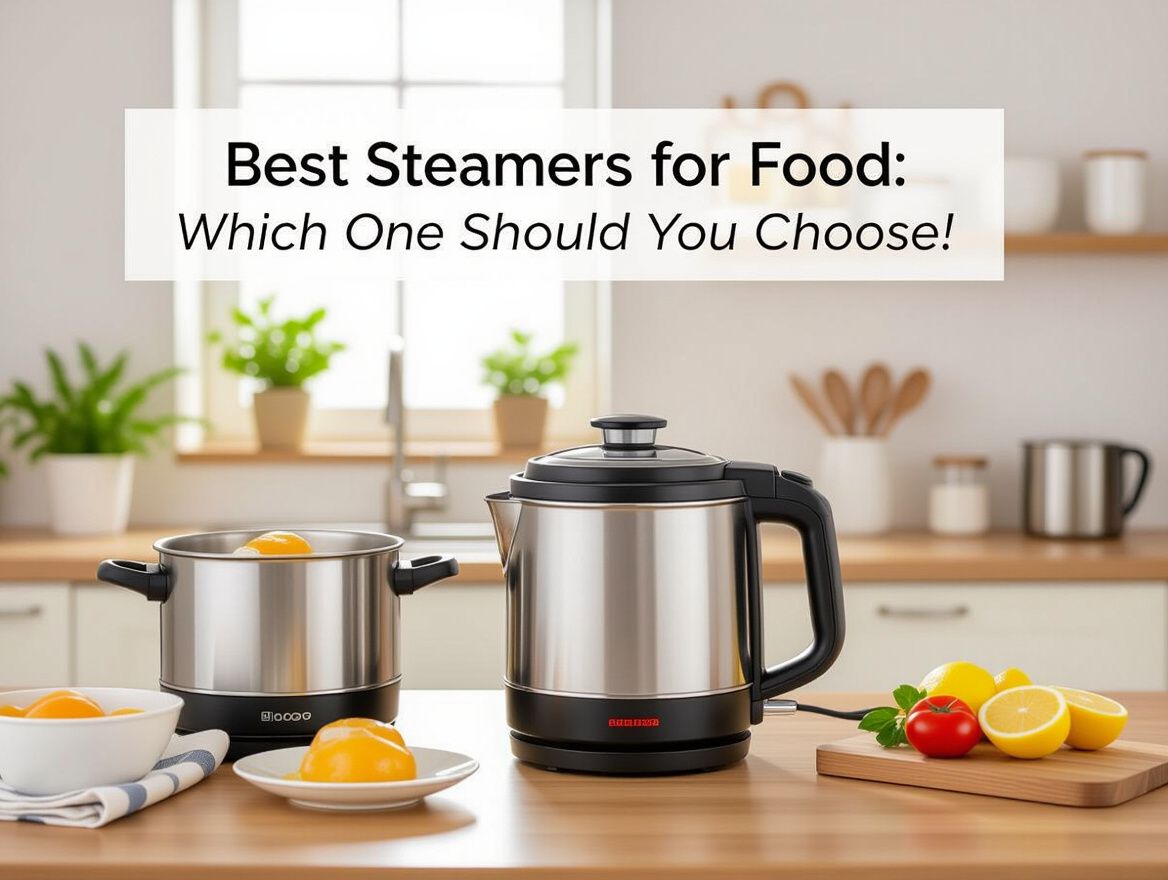
Best Steamers for Food: Which One Should You Choose?
Understanding Food Steamers: What You Need to Know
Food steamers are kitchen appliances designed to cook food using steam, which helps retain nutrients, flavor, and texture. This method of cooking is not only healthier than frying or boiling but also significantly enhances the natural flavors of the ingredients, making it a popular choice among home cooks.
Benefits of Steaming Food
- Nutrient Retention: Steaming preserves vitamins and minerals that can be lost in other cooking methods.
- Healthier Cooking: Requires little to no added fats, making it ideal for low-calorie diets.
- Versatility: Suitable for a variety of foods, including vegetables, fish, and grains.
Types of Food Steamers
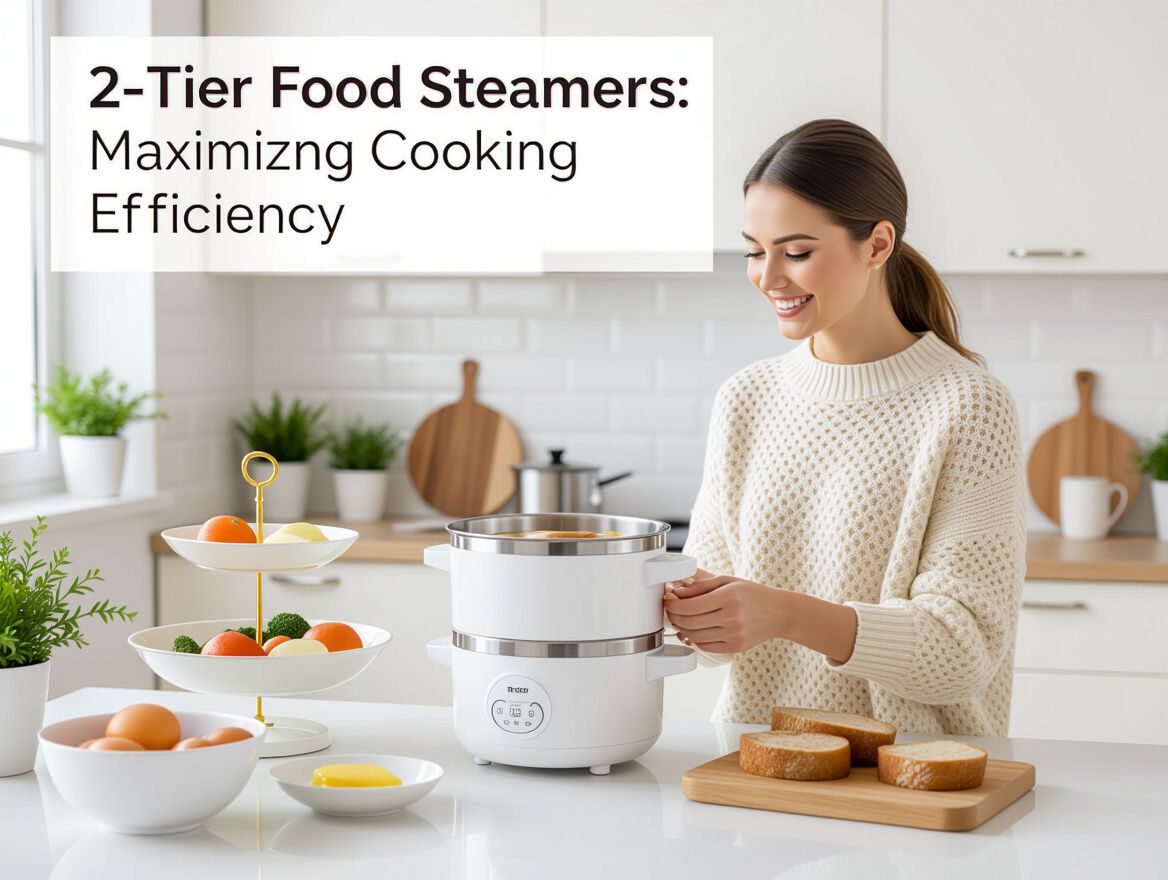
- Electric Steamers: These plug-in appliances offer convenience and often come with multiple tiers for cooking different foods simultaneously.
- Stovetop Steamers: Typically consist of a pot with a steaming basket, requiring stovetop heat to generate steam.
- Microwave Steamers: Designed for quick cooking, these are usually made from microwave-safe materials and can speed up meal prep.
Understanding these key aspects will help you make an informed decision when selecting the best steamer for your cooking needs, taking into account factors such as available space, cooking style, and dietary preferences.
Key Features to Consider When Choosing a Steamer
Selecting the best steamer for food involves evaluating several key features that can significantly affect your cooking experience and results. Here’s a checklist to guide your decision-making process:
-
Size and Capacity: Consider how much food you typically prepare at once. Smaller steamers are ideal for single servings or small families, while larger models can accommodate bigger portions or multiple dishes simultaneously.
-
Material and Build Quality: Look for steamers made from durable materials like stainless steel or BPA-free plastic. Stainless steel is often preferred for its longevity and ease of cleaning, while high-quality plastic can be lightweight and more affordable.
-
Ease of Cleaning and Maintenance: Check if the steamer components are dishwasher-safe or if they require hand washing. Non-stick surfaces can make cleaning easier, but ensure they are durable and free from harmful chemicals.
-
Power and Efficiency: Evaluate the wattage of electric steamers, as higher wattage typically means faster cooking times. Efficient models can save you time and energy, which is especially beneficial for busy home cooks.
-
Additional Functionalities: Some steamers come with features like built-in timers, multiple tiers for cooking different foods at once, or even the ability to sauté. These functionalities can enhance your cooking versatility and convenience.
By carefully considering these features, you can better match a steamer to your specific cooking needs and preferences, ensuring a more satisfying culinary experience.
Comparing Electric vs. Stovetop Steamers
When choosing the best steamers for food, understanding the differences between electric and stovetop models is crucial. Each type has distinct advantages and disadvantages, impacting your cooking experience and outcomes.
Electric Steamers
Advantages:
- Convenience: Electric steamers often come with built-in timers and automatic shut-off features, allowing for hands-free operation.
- Consistent Results: They provide consistent heat and steam, which can lead to evenly cooked food.
- Versatility: Many electric steamers come with multiple tiers, enabling you to steam various foods simultaneously.
Disadvantages:
- Space Requirements: Electric models can take up more counter space and require an electrical outlet.
- Cost: They tend to be more expensive than stovetop options, both in initial investment and potential energy costs.
- Complexity: More features may lead to a steeper learning curve for new users.
Stovetop Steamers
Advantages:
- Affordability: Typically, stovetop steamers are less expensive and can be a more budget-friendly option.
- Simplicity: They are often easier to use with fewer features, which can be appealing for those who prefer straightforward cooking methods.
- Space-Efficient: Stovetop steamers can be stored easily and do not require an electrical outlet.
Disadvantages:
- Manual Monitoring: You need to keep an eye on the water levels and timing, which can require more attention during cooking.
- Inconsistent Heat: The steam production can vary depending on the stovetop’s heat settings, potentially leading to uneven cooking.
- Limited Capacity: Many stovetop steamers have a single tier, which may limit the quantity of food you can steam at once.
Best Use Cases
-
Electric Steamers: Ideal for busy cooks who appreciate convenience and want to prepare multiple items at once without constant supervision. They are also great for those who often cook for larger families or gatherings.
-
Stovetop Steamers: Best suited for occasional cooks or those with limited kitchen space and budget. They are perfect for steaming smaller portions and can be an excellent option for those who enjoy traditional cooking methods.
Understanding these differences will help you assess which type of steamer aligns best with your cooking habits, kitchen space, and budget. Consider your specific needs and preferences carefully before making a decision.
Potential Risks and Considerations When Using Steamers
While food steamers are generally safe and effective for cooking, there are several potential risks and considerations to keep in mind to ensure a safe and pleasant cooking experience.
-
Safety Concerns with High-Temperature Cooking: Steamers operate at high temperatures, which can lead to burns if not handled properly. Always use caution when removing the lid, as hot steam can escape and cause injury. It's advisable to use oven mitts or a towel when handling hot components.
-
Common Issues with Steamers: Malfunctions can occur with any appliance, including steamers. Problems such as uneven cooking can arise if the food is not distributed evenly within the steamer. Additionally, some models may have a limited lifespan, leading to breakdowns that could disrupt meal preparation.
-
Health Considerations Related to Materials: The materials used in steamers can impact health. For instance, certain plastics may leach harmful chemicals when exposed to high heat. Opting for steamers made from stainless steel or BPA-free plastic can mitigate these risks. Always check for safety certifications and material descriptions before purchasing.
-
Water Quality: The quality of water used in steamers can affect the taste of the food. Impurities in tap water may lead to off-flavors. For optimal results, consider using filtered water, especially if you notice any unusual tastes in your steamed dishes.
By understanding these risks and considerations, you can make a more informed decision about which steamer best fits your needs and cooking style, while also ensuring safe and healthy food preparation.
Frequently Asked Questions About Food Steamers
When considering the best steamers for food, many potential buyers have common questions that can help clarify their choices. Here are some of the most frequently asked questions and their answers:
What types of food can be steamed?
Food steamers are versatile and can be used to cook a variety of foods, including:
- Vegetables: Broccoli, carrots, and green beans steam well and retain their nutrients.
- Fish and Seafood: Delicate proteins like fish fillets and shellfish cook evenly without drying out.
- Grains: Some steamers can also handle rice and quinoa, providing a fluffy texture.
- Dumplings and Breads: Traditional dumplings and certain bread types can be steamed for a unique texture.
How do I clean and maintain my steamer?
Proper cleaning and maintenance are vital for the longevity of your steamer:
- Disassemble: Remove all parts and wash them separately. Check if they are dishwasher-safe.
- Avoid Harsh Chemicals: Use mild detergents to prevent damaging non-stick surfaces.
- Regular Inspection: Check for any wear or damage, especially seals and electrical parts in electric models.
Can I use a steamer for cooking other dishes?
Yes, steamers can be quite versatile:
- Multi-Functionality: Some electric models offer additional functions like slow cooking or rice cooking.
- Layering: You can steam multiple items simultaneously, making it easy to prepare complete meals.
What are the best practices for steaming food?
To get the most out of your food steamer:
- Preheat: Allow the steamer to reach the right temperature before adding food for optimal cooking.
- Avoid Overcrowding: Leave enough space for steam to circulate, ensuring even cooking.
- Timing: Different foods require different steaming times; consult guides or recipes to avoid undercooking or overcooking.
Understanding these aspects can help you make a more informed decision when selecting the best steamer for your cooking needs, ensuring you maximize its benefits while minimizing any potential drawbacks.
Making an Informed Choice: Which Steamer is Right for You?
As you reflect on your options for the best steamers for food, consider how your cooking habits align with the features available. Each type of steamer offers unique advantages and potential drawbacks that should match your lifestyle and culinary preferences.
-
Cooking Frequency: If you cook frequently for larger groups, a multi-tier electric steamer may save time and enhance efficiency. Alternatively, if you prepare meals for one or two, a compact stovetop or microwave steamer might be sufficient.
-
Food Variety: Assess the range of foods you plan to steam. Some steamers excel in versatility, accommodating vegetables, fish, and grains, while others may be more specialized. Ensure your choice can handle your favorite ingredients.
-
Space Considerations: Evaluate your kitchen space. Electric steamers tend to take up more counter space, while stovetop models can be stored easily but require access to a stove. A microwave steamer might be the most space-efficient option.
-
Health and Safety: Consider the materials used in the steamer. Stainless steel is often seen as a healthier option due to its durability and lack of chemical leaching, while certain plastics may raise concerns about safety.
-
Maintenance and Cleaning: Some steamers are easier to clean than others. Check if components are dishwasher-safe or if they require hand washing. Non-stick surfaces can make cleanup easier but verify their longevity and safety.
By weighing these factors against your personal cooking style and needs, you can make a more informed choice about which steamer will best fit your kitchen.