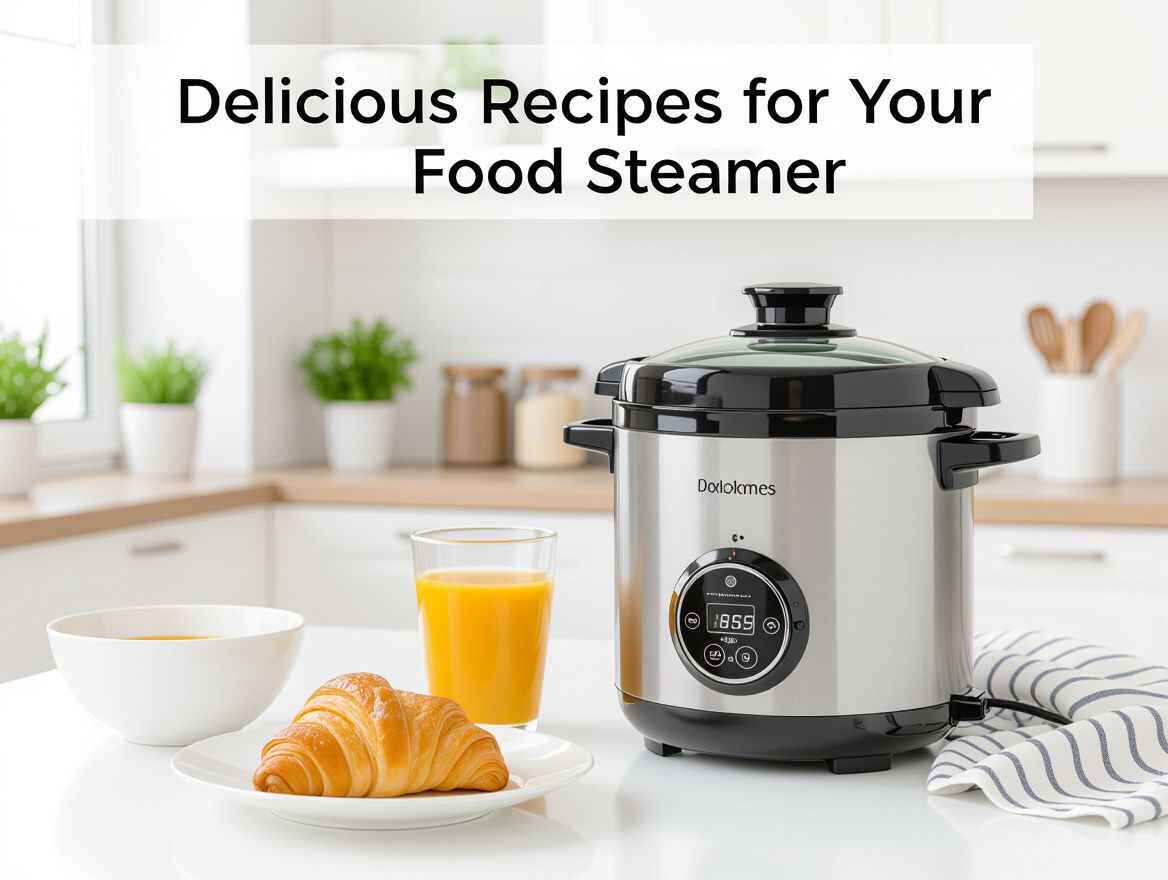
Commercial Food Steamers: A Comprehensive Buying Guide
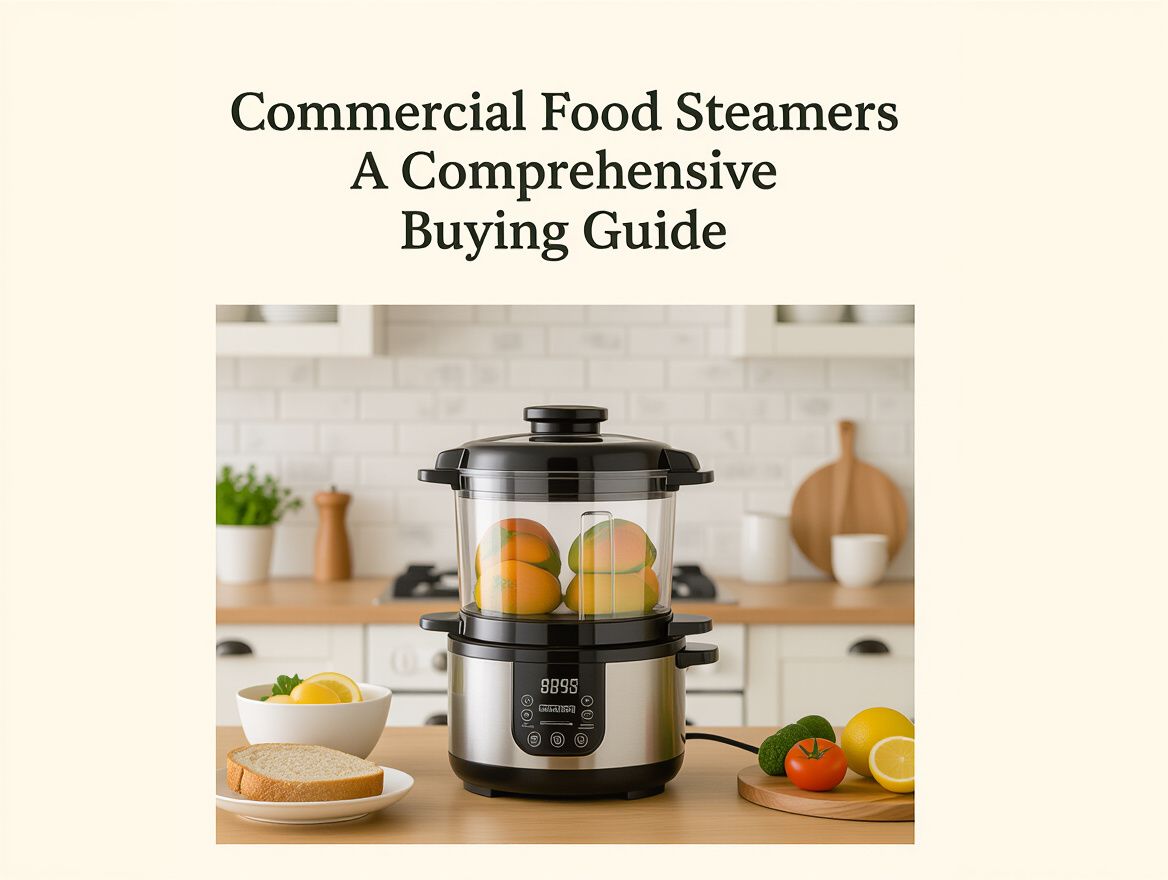
Understanding Commercial Food Steamers
Commercial food steamers are specialized kitchen appliances designed for high-volume cooking in restaurants and food service establishments. These steamers utilize steam to cook food quickly and evenly, retaining moisture, flavor, and nutrients.
Typical Uses in Restaurants and Food Service
- Vegetable Preparation: Ideal for steaming vegetables while preserving their color and crunch.
- Fish and Seafood Cooking: Provides a gentle cooking method that prevents overcooking.
- Grain and Rice Cooking: Efficiently cooks large quantities of rice and grains without requiring constant attention.
- Reheating and Holding: Keeps prepared foods warm without drying them out.
Benefits of Using Steamers in Food Preparation
- Healthier Cooking: Steaming reduces the need for oils and fats, leading to lower-calorie meals.
- Flavor Retention: Steamed foods maintain their natural flavors and nutrients better than boiling or frying.
- Efficiency: High-capacity steamers can prepare large batches simultaneously, saving time in busy kitchens.
- Versatility: Many commercial steamers come with multiple tiers or trays, allowing for the simultaneous cooking of different foods.
Trade-offs and Considerations
- Initial Investment: Commercial steamers can have a higher upfront cost compared to other cooking methods.
- Space Requirements: These units can take up significant kitchen space, which may be a concern for smaller establishments.
- Learning Curve: Staff may require training to operate steamers effectively, especially for timing and temperature settings.
In conclusion, understanding the functionality and benefits of commercial food steamers can help business owners and chefs make informed decisions when integrating this equipment into their kitchens.
Key Features to Consider When Buying
When selecting a commercial food steamer, it's essential to evaluate several key features to ensure it meets your specific cooking needs and operational requirements. Here’s a checklist to guide your decision-making process:
-
Size and Capacity Requirements: Consider the volume of food you typically prepare. Commercial steamers come in various sizes, from compact units suitable for small kitchens to larger models that can handle high-volume cooking. Ensure the steamer can accommodate your largest cooking batch.
-
Material and Durability: Look for steamers made from high-quality materials, such as stainless steel, which offers durability and resistance to rust and corrosion. The material also affects heat retention and cooking efficiency.
-
Energy Efficiency: Energy consumption is a critical factor for commercial kitchens. Opt for steamers that are designed to be energy-efficient, helping to reduce operational costs over time. Check for any energy ratings or certifications that indicate efficiency.
-
Ease of Cleaning and Maintenance: Choose a model that is easy to disassemble and clean. Features like removable trays and non-stick surfaces can greatly simplify maintenance, which is crucial in a busy kitchen environment.
-
Safety Features: Ensure the steamer has built-in safety features, such as automatic shut-off mechanisms, steam pressure controls, and cool-touch exteriors. These features not only protect staff but also enhance the overall reliability of the equipment.
By carefully evaluating these features, you can make a more informed decision that aligns with your cooking practices and business goals.
Comparing Different Types of Commercial Food Steamers
When considering the purchase of a commercial food steamer, understanding the different types available can significantly influence your decision. Each type has its unique features, benefits, and trade-offs that cater to various cooking needs and business environments.
Countertop vs. Floor Models
- Countertop Steamers: Ideal for smaller kitchens or businesses with limited space. They are typically more affordable and easier to install. However, they may have lower capacity, making them less suitable for high-volume operations.
- Floor Models: These are larger and can handle greater quantities of food, making them perfect for restaurants or catering services. They require more space and are generally more expensive, but they offer better efficiency for bulk cooking.
Electric vs. Gas-Powered Options
- Electric Steamers: Often easier to use and maintain, electric steamers provide consistent heating and are generally more energy-efficient. However, their reliance on electrical outlets can limit placement options.
- Gas-Powered Steamers: These units can heat up quickly and are often preferred in high-demand environments. They may require more extensive installation and ventilation but can offer significant energy savings in the long run.
Single vs. Multi-Tier Steamers
- Single-Tier Steamers: Best for smaller batches or specific menu items. They take up less space and are simpler to operate but may not be efficient for larger quantities.
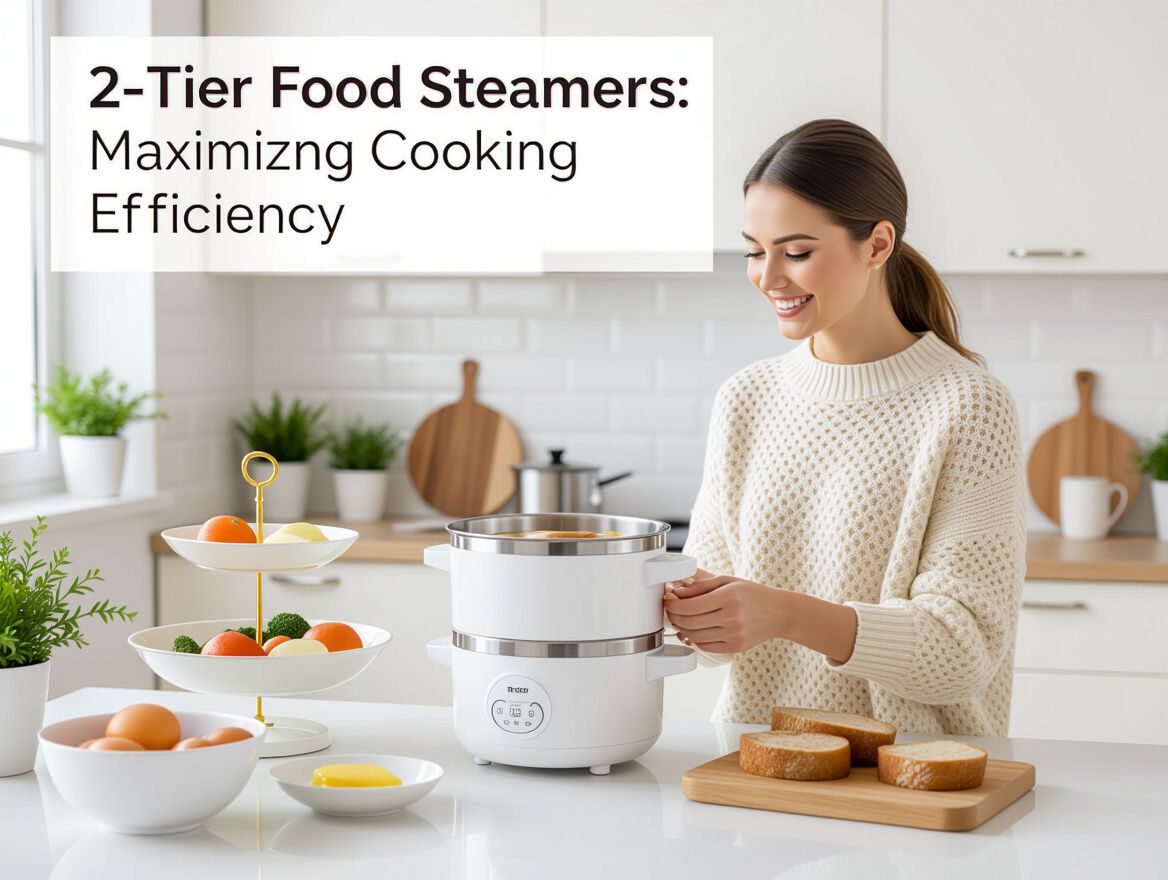
- Multi-Tier Steamers: Allow for cooking multiple items simultaneously, which can save time and increase productivity. However, they require careful planning to avoid cross-contamination between different foods.
Steamers with Built-In Timers and Controls
- Timers and Controls: Steamers that come with built-in timers and programmable controls can enhance cooking precision and consistency. They are particularly useful in busy kitchens where timing is crucial. However, the added complexity may require additional training for staff.
Key Considerations
- Space and Capacity: Assess your kitchen’s space and the volume of food you need to prepare.
- Energy Source: Determine the availability of electric or gas connections in your kitchen.
- Menu Variety: Consider whether you need a single or multi-tier option based on your menu offerings.
- Ease of Use: Evaluate whether advanced features like timers are necessary for your operation.
By carefully weighing these factors, you can select a commercial food steamer that best fits your culinary needs and business requirements.
Potential Risks and Trade-offs
When considering commercial food steamers, it's crucial to weigh the potential risks and trade-offs against their benefits. While these appliances can enhance efficiency and improve food quality, they also come with specific challenges that business owners and chefs must navigate.
-
Initial Investment Costs: Commercial food steamers typically require a significant upfront investment. This can be a barrier for small businesses or startups, especially if budget constraints are a concern. Evaluating your long-term budget and potential return on investment is essential.
-
Space Requirements: These units can be bulky, necessitating ample kitchen space. In smaller kitchens, finding a suitable location for a commercial steamer may be challenging. It's important to assess your kitchen layout and available space before making a purchase.
-
Learning Curve for Staff: Operating a commercial food steamer may require training for your kitchen staff. Understanding the nuances of steaming times, temperature settings, and food placement can take time. This learning curve can temporarily slow down kitchen operations as staff get acclimated.
-
Maintenance and Repair Considerations: Regular maintenance is essential to keep steamers functioning optimally. This includes descaling to prevent mineral buildup and ensuring the water supply is consistent. Additionally, repairs can be costly and might lead to downtime in a busy kitchen.
By considering these risks and trade-offs, you can make a more informed decision about whether a commercial food steamer aligns with your operational needs and kitchen capabilities.
Frequently Asked Questions About Commercial Food Steamers
When considering the purchase of a commercial food steamer, it's common to have questions regarding functionality, maintenance, and efficiency. Here are some frequently asked questions that can help clarify these points.
What types of food can be steamed?
Commercial food steamers are versatile and can be used to prepare a wide variety of foods, including:
- Vegetables: Broccoli, carrots, and green beans retain their nutrients and vibrant colors.
- Seafood: Fish and shellfish cook evenly without drying out.
- Grains: Rice, quinoa, and other grains can be steamed in large batches.
- Meats: Poultry and dumplings can also be effectively cooked using steam.
How do steamers compare to other cooking methods?
Compared to boiling or frying, steaming offers several advantages:
- Nutrient Retention: Steaming preserves more vitamins and minerals than boiling, where nutrients can leach into the water.
- Less Oil Required: Steaming does not require added fats, making meals healthier.
- Flavor Preservation: Foods maintain their natural flavors better when steamed rather than submerged in water or oil.
What maintenance is required for optimal performance?
Regular maintenance is essential for ensuring your commercial food steamer operates efficiently:
- Descaling: Depending on water quality, descaling may be needed to prevent mineral buildup.
- Cleaning: Regular cleaning of trays and compartments helps maintain hygiene and performance.
- Inspection: Periodic checks of the heating elements and seals can prevent operational issues.
Are there energy-efficient options available?
Yes, many modern commercial food steamers are designed with energy efficiency in mind:
- Insulation: Look for models with good insulation to retain heat and reduce energy consumption.
- Steam Generation: Some steamers use advanced technology to produce steam faster and with less energy.
- Size and Capacity: Choosing the right size for your needs can also help minimize waste and optimize energy use.
Understanding these aspects can empower you to make a well-informed decision about integrating a commercial food steamer into your kitchen operations.
Making the Right Choice for Your Kitchen
Selecting the right commercial food steamer is crucial for optimizing your kitchen's efficiency and cooking quality. With a range of options available, it's essential to assess your specific needs and preferences to ensure the best fit for your establishment.
-
Evaluate Cooking Volume: Consider how much food you typically prepare. A steamer with a larger capacity might be necessary for high-volume kitchens, while smaller units could suffice for less demanding operations.
-
Assess Space Limitations: Measure your kitchen space to ensure that the steamer you choose fits comfortably without obstructing workflow or storage.
-
Balance Features with Budget: While advanced features can enhance cooking efficiency, they often come with a higher price tag. Determine which features are essential for your operations and which can be sacrificed to stay within budget.
-
Consider Staff Training: Ensure that your team is trained to use the steamer effectively. A steamer with complex controls might require more training time, which can impact initial productivity.
In conclusion, by carefully weighing these factors—cooking volume, space, budget, and staff readiness—you can make a well-informed decision that aligns with your culinary goals. Making the right choice will not only enhance your cooking capabilities but also contribute to the overall success of your kitchen operations.