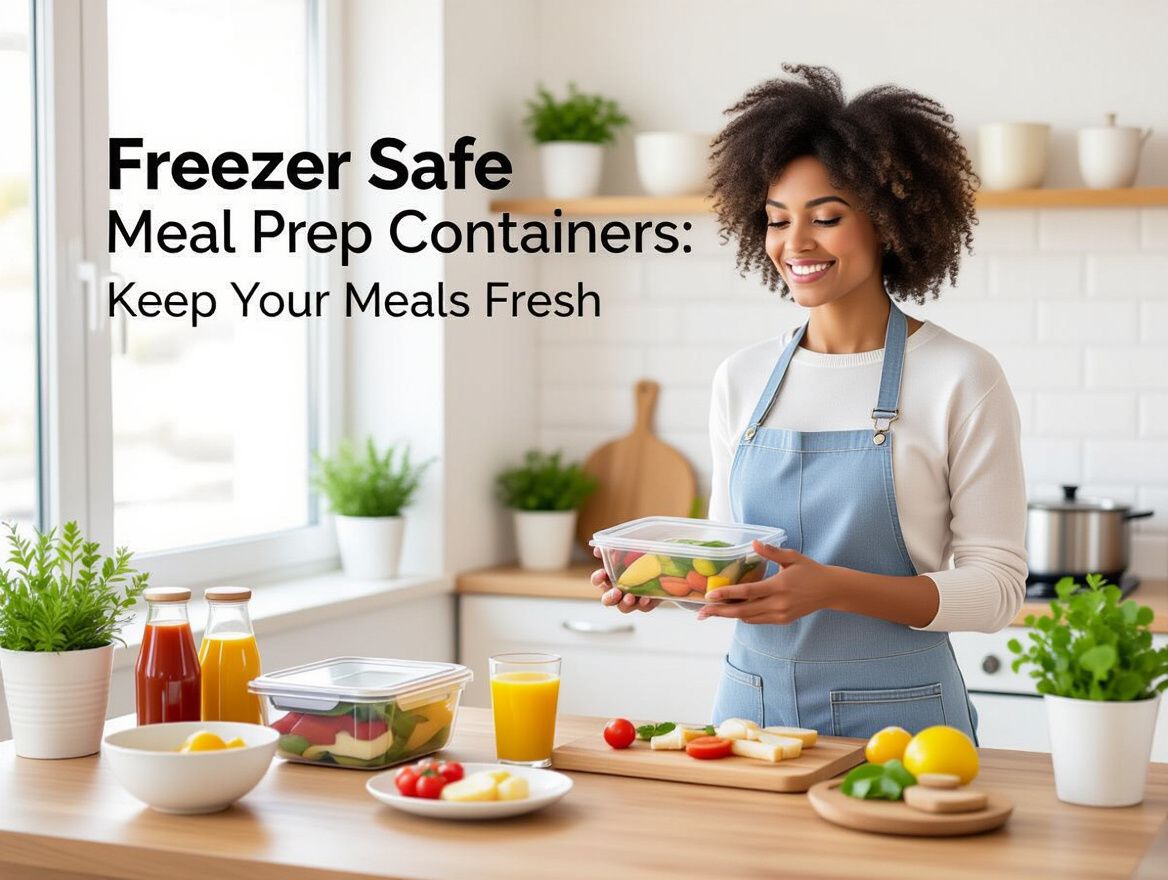
Freezer Safe Meal Prep Containers: Keep Your Meals Fresh
Why Choose Freezer Safe Meal Prep Containers?
Freezer-safe meal prep containers are essential for anyone looking to preserve the freshness and quality of their meals while maximizing convenience. By investing in these specialized containers, home cooks and health-conscious individuals can ensure that their food remains safe and flavorful, even after extended periods in the freezer.
Importance of Freezer Safety for Meal Preservation
- Prevention of Freezer Burn: Containers designed for freezer use help to minimize exposure to air, which can lead to freezer burn and loss of quality.
- Food Safety: Properly sealed containers reduce the risk of contamination, helping to keep your meals safe for consumption over time.
Convenience for Meal Prepping
- Portion Control: These containers often come in various sizes, allowing for easy portioning and planning of meals.
- Time Efficiency: Preparing meals in advance and storing them in freezer-safe containers means less time spent cooking during busy weeks. Simply reheat and enjoy!
- Versatile Use: Many freezer-safe containers are also microwave and dishwasher safe, making them multifunctional for meal prep and cleanup.
By understanding the benefits and features of freezer-safe meal prep containers, you can make more informed decisions that cater to your meal preparation needs, ensuring your food stays fresh and convenient for your busy lifestyle.
Key Features to Look For in Freezer Safe Meal Prep Containers
When selecting freezer-safe meal prep containers, understanding the essential features can greatly enhance your meal preservation efforts. Here are the key criteria to consider:
-
Material Types and Freezer Compatibility:
- Plastic: Look for BPA-free options that are specifically labeled as freezer-safe. They should withstand low temperatures without cracking or warping.
- Glass: Tempered glass containers are often preferred for their durability and ability to go from freezer to oven. Ensure they are labeled as freezer-safe to avoid thermal shock.
- Silicone: Flexible and resistant to extreme temperatures, silicone containers can be a versatile choice for freezing.
-
Lid Seals and Leak-Proof Capabilities:
- A good seal is crucial for preventing freezer burn and maintaining freshness. Choose containers with airtight lids that feature silicone gaskets or locking mechanisms.
- Consider the design of the lid; some lids are designed to be leak-proof, which is essential if you plan to freeze liquids or saucy dishes.
-
Size and Capacity Options:
- Evaluate your meal prep needs to choose the right sizes. Containers come in various capacities, from single-serving sizes to larger family-sized options.
- Multi-compartment containers can be beneficial for portion control and keeping different food items separate, while stackable designs help save space in your freezer.
By focusing on these features, you can ensure that your meal prep containers not only keep your meals fresh but also offer convenience and practicality in your kitchen.
Understanding Material Options for Freezer Safety
When selecting freezer-safe meal prep containers, understanding the materials used is critical for ensuring food preservation and safety. The most common materials are plastic and glass, each with unique advantages and disadvantages.
Plastic Containers
-
Pros:
- Lightweight and Durable: Plastic containers are typically lighter than glass, making them easier to handle and transport.
- Variety of Designs: Available in various shapes and sizes, they often come with compartment options which can help with portion control.
-
Cons:
- BPA Concerns: Many plastic containers may contain BPA (Bisphenol A), a chemical that can seep into food. Opt for BPA-free options to mitigate health risks.
- Temperature Resistance: While most plastics are designed for freezer use, some may warp or crack under extreme cold, affecting their longevity.
Glass Containers
-
Pros:
- Non-Toxic and BPA-Free: Glass containers do not contain harmful chemicals, making them a safer choice for meal prep.
- Temperature Resistance: Glass is generally more resistant to extreme temperatures, making it suitable for both freezing and reheating.
-
Cons:
- Weight and Fragility: Glass containers are heavier and can break if dropped, which may not be ideal for all users, especially those with active lifestyles.
- Cost: Typically, glass containers are more expensive than their plastic counterparts, which might be a consideration for budget-conscious buyers.
Durability and Temperature Resistance
When assessing durability, consider how well the material withstands both freezing and reheating. Plastic containers can be less durable over time, especially if exposed to extreme temperatures repeatedly. In contrast, glass containers maintain their integrity better but require careful handling.
Conclusion
Ultimately, the choice between plastic and glass for freezer-safe meal prep containers hinges on personal preferences regarding safety, convenience, and budget. Understanding these material characteristics will help you make an informed decision that aligns with your meal prep needs.
Comparing Popular Freezer Safe Meal Prep Container Brands
When selecting freezer-safe meal prep containers, understanding the landscape of available brands is crucial for making an informed choice. Different brands offer unique features, price points, and customer experiences that can significantly impact your meal prep efficiency and food preservation.
Brand Reputation and Customer Reviews
- Reputation: Look for brands that are well-regarded in the kitchenware industry, often recognized for their durability and functionality.
- Customer Feedback: Reviews can provide insights into real-world performance. Focus on comments regarding the containers' ability to withstand freezing temperatures without cracking or warping.
Price Ranges and Value for Money
- Budget Options: Some brands offer more affordable choices, which may suffice for casual meal preppers.
- Premium Choices: Higher-priced containers often come with advanced features, such as airtight seals or enhanced materials that ensure better food preservation.
Unique Features That Differentiate Brands
- Material Composition: Brands may use various materials (e.g., glass, BPA-free plastic) that affect durability and safety. Glass containers typically offer better heat resistance and are often microwave-safe.
- Design Elements: Look for features like stackability, compartmentalization, or microwave compatibility, which can enhance convenience and storage efficiency.
- Lid Technology: Some brands offer specialized lids that create a vacuum seal, which can extend the freshness of your meals.
By evaluating these criteria, you can better navigate the options available and select freezer-safe meal prep containers that fit your specific needs, whether you're preparing meals for the week or storing leftovers.
Potential Risks and Considerations When Using Freezer Safe Containers
While freezer-safe meal prep containers are designed to preserve food quality, improper use can lead to several risks that may compromise your meals. Understanding these risks and following best practices can help you avoid potential pitfalls.
Freezer Burn and Its Impact on Food Quality
Freezer burn occurs when food is exposed to air, leading to dehydration and oxidation. This not only affects the texture and flavor of your meals but can also make them unappetizing. To prevent freezer burn:
- Ensure a Tight Seal: Always check that lids fit snugly and seals are intact before storing food.
- Limit Air Exposure: Use containers that minimize air space. Consider using vacuum-sealed bags or containers that are specifically designed to reduce air exposure.
Signs of Wear and Tear on Containers
Over time, even the best freezer-safe containers can show signs of wear, which may affect their performance:
- Cracks and Chips: Inspect for any visible damage, as cracks can lead to leaks and loss of food quality.
- Discoloration: Fading or discoloration may indicate that the material is degrading, potentially leaching into your food.
- Warping: Containers that have warped may not seal properly, increasing the risk of freezer burn.
Best Practices for Storage to Avoid Risks
To maintain the integrity of your meals and containers, consider these best practices:
- Label and Date: Always label containers with the contents and date of freezing. This helps in managing inventory and ensures you consume older meals first.
- Avoid Overfilling: Leave some space at the top of containers to allow for food expansion during freezing.
- Thaw Safely: When ready to use, thaw meals in the refrigerator or microwave rather than at room temperature to reduce the risk of bacterial growth.
By being aware of these risks and following best practices, you can maximize the benefits of your freezer-safe meal prep containers, ensuring your meals remain fresh and safe for consumption.
Frequently Asked Questions About Freezer Safe Meal Prep Containers
When considering freezer-safe meal prep containers, many common questions arise regarding their functionality and maintenance. Here are some key answers to help guide your purchasing decisions.
Can all meal prep containers go in the freezer?
Not all meal prep containers are suitable for freezer use. Containers specifically labeled as "freezer safe" are designed to withstand low temperatures without cracking or warping. Always check the manufacturer's guidelines to ensure the container can handle freezing conditions. Using non-freezer-safe containers may lead to damage and compromise food safety.
How to properly clean and maintain freezer-safe containers?
To maintain the integrity of your freezer-safe containers:
- Avoid Extreme Temperature Changes: Let hot food cool before placing it in the freezer. Sudden temperature changes can cause cracking.
- Use Mild Detergents: Clean with warm, soapy water or a dishwasher on a gentle cycle. Avoid harsh chemicals that can degrade materials over time.
- Inspect Regularly: Check for any cracks or wear. Discard any containers that show signs of damage to ensure food safety.
What should I do if my container cracks in the freezer?
If you discover that a container has cracked while in the freezer, it’s essential to:
- Remove Immediately: Take the container out of the freezer carefully to avoid further damage.
- Dispose of Safely: Cracked containers can harbor bacteria or cause food contamination. Discard them to maintain food safety.
- Consider Replacement: Look for containers specifically designed for freezer use to prevent similar issues in the future.
By addressing these frequently asked questions, you can make informed decisions about which freezer-safe meal prep containers best suit your meal preservation needs, ensuring your food remains safe and delicious.
Making an Informed Decision on Freezer Safe Meal Prep Containers
Choosing the right freezer-safe meal prep containers is essential for maintaining the quality and safety of your meals. As you evaluate your options, consider your specific needs and how different features align with your meal prep goals.
-
Assess Your Meal Prep Style: Determine whether you need containers for bulk meal prep, portion control, or a mix of both. This will influence the size and type of containers you should consider.
-
Material Suitability: Understand the benefits of different materials. For instance, while plastic containers are lightweight and often more affordable, glass options provide durability and can be used in various cooking methods.
-
Storage and Space Efficiency: Opt for stackable designs if space is a concern. This will help maximize your freezer space and keep your meals organized.
-
Ease of Use and Maintenance: Look for containers that are dishwasher and microwave safe to simplify your cleaning and reheating processes.
-
Risk of Freezer Burn: Ensure that the containers you choose have effective seals to prevent air exposure, which can lead to freezer burn and loss of flavor.
By carefully weighing these criteria against your personal meal prep habits and freezer storage capabilities, you can make a more informed decision that enhances your cooking experience while ensuring your meals stay fresh and delicious.
More in Meal Prep Containers
View All