Microwave Safe Meal Prep Containers: What You Need to Know
Understanding Microwave Safe Meal Prep Containers
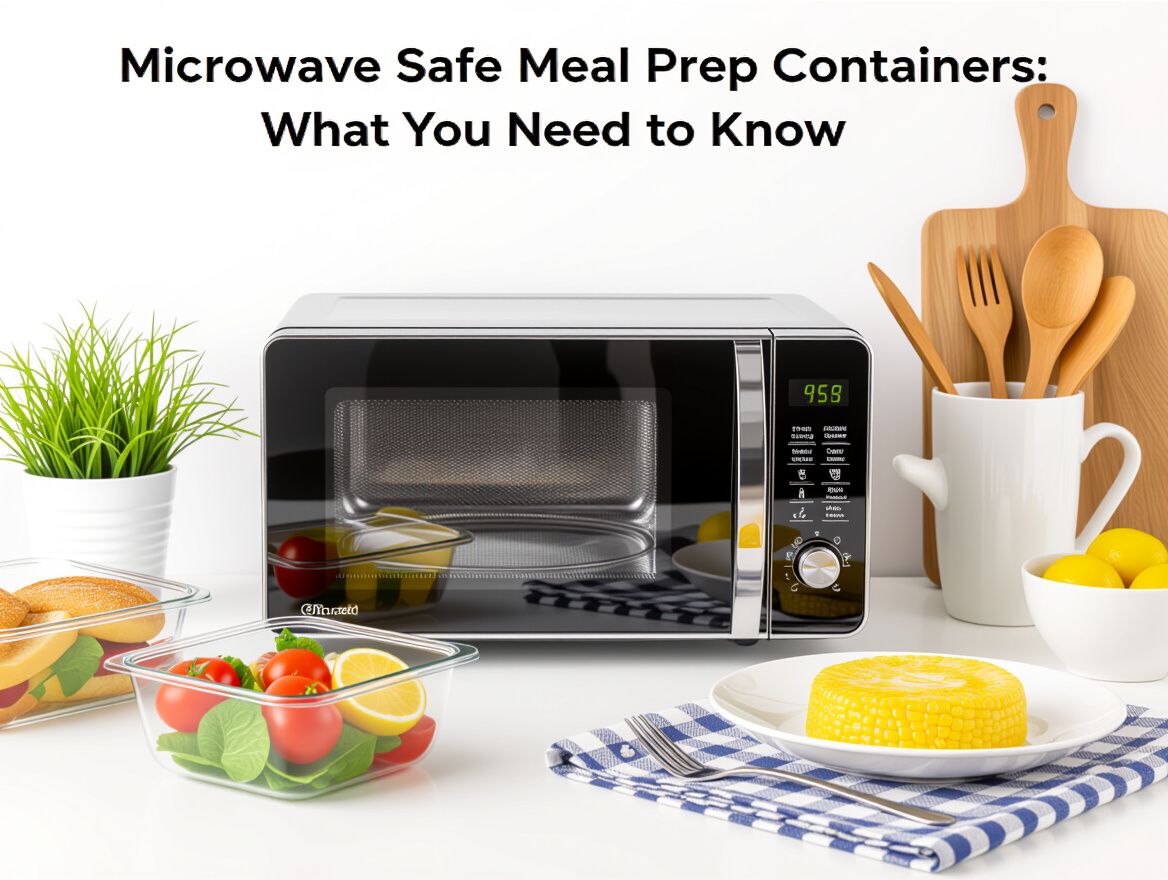
Microwave-safe meal prep containers are specifically designed to withstand the heat generated during microwave cooking without leaching harmful chemicals into food. These containers are essential for home cooks and meal prep enthusiasts who prioritize safety and convenience in food storage and reheating.
The importance of safety in food storage cannot be overstated. Using non-microwave-safe containers can lead to the release of toxins, melting, or warping, potentially compromising food quality and safety. Therefore, selecting containers labeled as microwave-safe ensures they have been tested for durability and safety under high temperatures.
When evaluating microwave-safe meal prep containers, consider the following:
- Material Composition: Common materials include glass, BPA-free plastic, and silicone, each with unique heat-resistance properties.
- Design Features: Look for features such as vented lids to allow steam to escape, preventing pressure buildup during reheating.
- Size and Shape: Choose containers that fit your meal portions and storage space effectively.
- Ease of Cleaning: Ensure the containers are dishwasher-safe for convenient cleaning after use.
Understanding these factors can help you make informed choices and ensure that your meal prep process is both safe and efficient.
Key Features to Look for in Microwave Safe Containers
When selecting microwave-safe meal prep containers, it's essential to evaluate several key features to ensure safety and functionality. Here’s a checklist to guide your decision-making process:
-
Material Types:
- Plastic: Lightweight and affordable, but check for BPA-free certifications to avoid harmful chemicals.
- Glass: Durable and often oven-safe, glass containers are non-reactive and can handle high temperatures.
- Stainless Steel: While not microwave-safe, stainless steel is an excellent option for food storage and transport, ensuring no chemicals leach into your food.
-
BPA-Free Certifications: Always choose containers labeled as BPA-free. This certification indicates that the container has been tested and does not contain bisphenol A, a chemical linked to health risks.
-
Heat Resistance and Durability: Look for containers that can withstand high temperatures without warping or breaking. Check the manufacturer’s specifications for heat resistance ratings, particularly if you plan to use them frequently in the microwave.
-
Lid Compatibility and Sealing Effectiveness: A secure lid is crucial for preventing spills and retaining moisture. Ensure that the lids fit tightly and are designed to withstand microwave use, as some lids can warp or become damaged when exposed to heat.
By considering these features, you can select microwave-safe meal prep containers that meet your cooking and storage needs while ensuring your food remains safe and fresh.
Trade-offs Between Different Materials
When choosing microwave-safe meal prep containers, the material plays a crucial role in safety, effectiveness, and usability. Understanding the pros and cons of each material can help you make informed decisions that align with your cooking and storage needs.
Plastic Containers
- Pros: Lightweight and often more affordable. Many plastic containers are designed to be stackable, saving space in storage.
- Cons: Not all plastics are created equal; some may warp or leach chemicals when exposed to high heat. Look for BPA-free options to mitigate health risks.
- Durability: Generally less durable than glass or stainless steel; may need to be replaced more frequently.
Glass Containers
- Pros: Non-reactive and typically more resistant to heat, making them safer for microwave use. They often come with airtight lids, helping to preserve food freshness.
- Cons: Heavier and more fragile than plastic, which can be a drawback for meal prep on-the-go.
- Durability: Long-lasting and can withstand temperature changes better than plastic, but can break if dropped.
Stainless Steel Containers
- Pros: Highly durable and resistant to staining and odors. Stainless steel is also eco-friendly and recyclable.
- Cons: Not all stainless steel containers are microwave-safe, so you must ensure they are labeled as such. They can also be heavier and more expensive than plastic options.
- Durability: Extremely long-lasting and less likely to warp or degrade over time compared to plastic.
Impact on Food Safety and Microwave Performance
- Plastic: Risk of chemical leaching increases with prolonged exposure to heat. Ensure containers are specifically designed for microwave use.
- Glass: Generally safer for microwave use, as it does not leach chemicals. However, be cautious of sudden temperature changes, which can cause shattering.
- Stainless Steel: Safe for food storage but not microwave-friendly unless specifically designed for that purpose.
Long-term Durability and Environmental Considerations
- Plastic: Contributes to environmental waste; recycling options may be limited depending on the type.
- Glass: Eco-friendly and reduces waste over time due to its durability.
- Stainless Steel: Offers a sustainable option as it can last for years and is recyclable, reducing overall environmental impact.
In summary, each material has distinct trade-offs regarding safety, usability, and environmental impact. Evaluating these factors will help you select the most suitable microwave-safe meal prep containers for your specific needs.
Potential Risks of Using Microwave Containers
When using microwave-safe meal prep containers, it’s essential to understand the potential risks associated with improper use. These risks can compromise both your health and the effectiveness of your meal prep efforts.
Health Risks from Non-Microwave-Safe Materials
Using containers that are not labeled as microwave-safe can lead to the release of harmful chemicals into your food. Materials such as certain plastics may contain BPA or phthalates, which can leach into your meals when exposed to high temperatures. Always check for a microwave-safe label to ensure safety.
Consequences of Overheating or Using Damaged Containers
Overheating food in containers can cause them to warp, melt, or even crack. This not only risks damaging the container but can also lead to food contamination. Additionally, using containers with visible signs of wear, such as cracks or discoloration, can further increase the risk of harmful substances leaching into your food.
Signs to Look For That Indicate a Container is Unsafe
To ensure the safety of your microwave containers, look for the following signs that indicate a container may not be safe to use:
- Bending or Warping: If the container has lost its original shape, it may not withstand heat well.
- Cracks or Chips: Any visible damage can compromise the integrity of the container.
- Discoloration: A change in color, especially if it appears to be fading or yellowing, can indicate that the material is breaking down.
- Foul Odors: If a container emits an unusual smell, it may be a sign of chemical breakdown, making it unsafe for food storage.
By being aware of these risks and signs, you can make informed decisions about the microwave-safe meal prep containers you choose, ensuring both safety and effectiveness in your meal preparation.
Frequently Asked Questions About Microwave Safe Meal Prep Containers
When considering microwave-safe meal prep containers, potential buyers often have several questions regarding their use and safety. Here are some common inquiries and their answers:
What should I avoid when using microwave containers?
- Metal Components: Avoid containers with metal parts, as they can cause sparks and fires in the microwave.
- Non-Microwave-Safe Materials: Steer clear of containers not labeled as microwave-safe, as they may warp or leach harmful substances when heated.
- Tight Seals: Do not microwave containers with airtight seals without venting, as steam buildup can lead to explosions.
How do I know if a container is microwave safe?
- Labeling: Always check for a microwave-safe label on the container. This label indicates that the manufacturer has tested the product for microwave use.
- Material: Familiarize yourself with materials commonly recognized as microwave-safe, such as BPA-free plastics, glass, and silicone.
- Manufacturer Guidelines: Refer to the manufacturer's instructions for specific use recommendations and temperature limits.
Can I use my meal prep containers in the oven?
- Material Check: Only containers made from oven-safe materials, such as certain types of glass and metal, can be used in the oven. Plastic containers, even if microwave-safe, are generally not suitable for oven use.
- Temperature Limitations: Always verify the maximum temperature the container can withstand; exceeding this can cause damage or release harmful chemicals.
- Functionality: Consider the intended use of the container; if it is designed for microwave use only, it may not perform adequately in an oven environment.
Understanding these common questions can help you make informed decisions when choosing microwave-safe meal prep containers, ensuring both safety and effectiveness in your meal preparation efforts.
Making an Informed Decision on Microwave Safe Meal Prep Containers
Selecting the right microwave-safe meal prep containers is crucial for ensuring both safety and effectiveness in your meal preparation. As you finalize your choices, keep in mind the following key points:
-
Material Selection: Each material offers distinct advantages and potential drawbacks. Glass containers are highly durable and non-reactive, ideal for heating, while BPA-free plastics provide lightweight options. However, ensure that any plastic containers are explicitly labeled as microwave-safe to avoid risks associated with melting or chemical leaching.
-
Design Features: Look for containers with vented lids which allow steam to escape, reducing pressure buildup during heating. This feature can prevent spills and ensure even heating of your meals.
-
Size and Fit: Assess your meal portion sizes and storage space to select containers that best meet your needs. A variety of shapes and sizes can enhance organization in your fridge or freezer.
-
Cleaning and Maintenance: Opt for containers that are dishwasher-safe for easy cleaning. This can save you time and effort, allowing you to focus on meal prep rather than cleanup.
As you consider these factors, reflect on your personal cooking habits and storage requirements. The right microwave-safe meal prep containers should align with your lifestyle, ensuring convenience and safety in your meal planning. Taking the time to evaluate these elements can lead to a more satisfying and efficient cooking experience.
More in Meal Prep Containers
View All