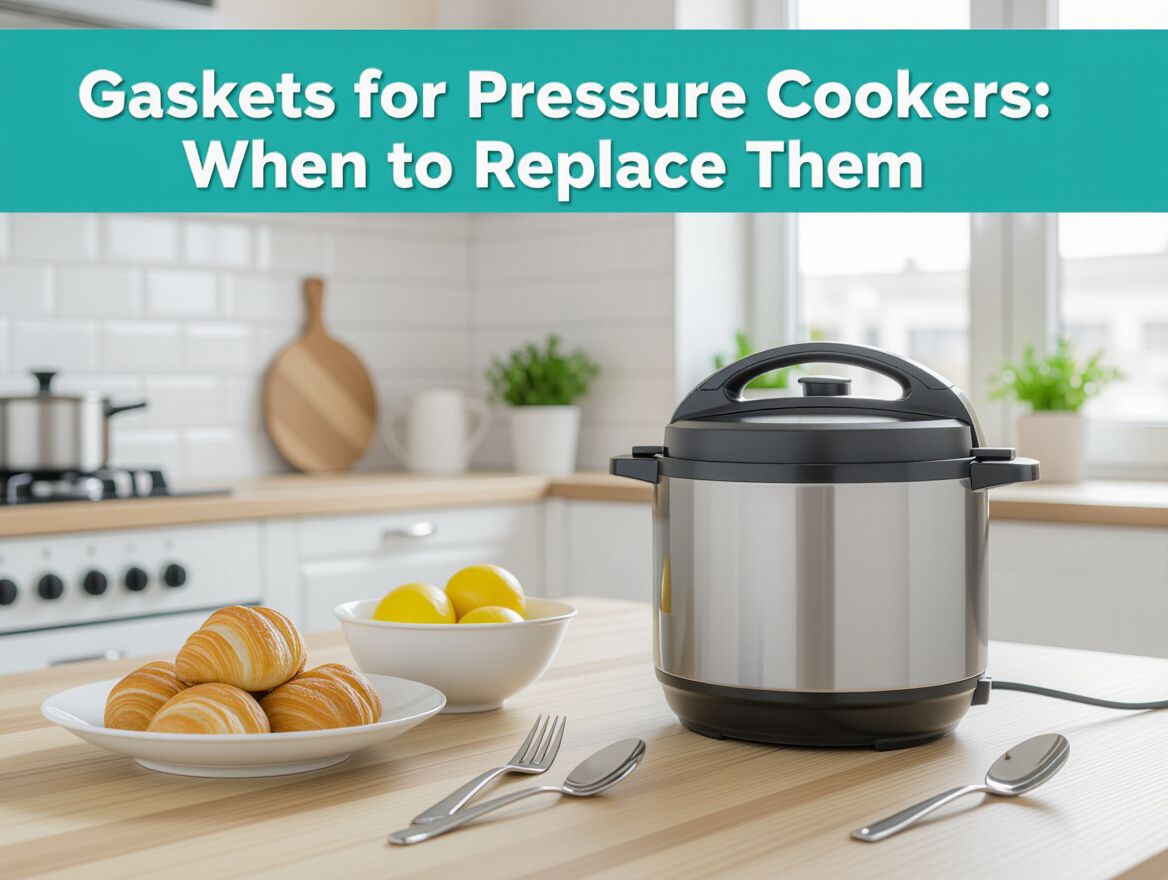
Gaskets for Pressure Cookers: When to Replace Them
Understanding Pressure Cooker Gaskets
Pressure cooker gaskets are crucial components that ensure the safe and efficient operation of your appliance. These rubber or silicone rings create a tight seal between the lid and the pot, trapping steam inside to build pressure for cooking. A properly functioning gasket not only enhances cooking efficiency but also prevents dangerous steam leaks, which could lead to burns or other accidents.
Importance of a Properly Functioning Gasket
- Maintains Pressure: A well-sealed gasket is essential for achieving and maintaining the high pressure needed for effective cooking. Without it, your pressure cooker may fail to reach the necessary temperature, resulting in undercooked meals.
- Safety First: Leaky gaskets can cause the pressure cooker to malfunction, potentially leading to dangerous situations. A secure seal minimizes risks, ensuring that steam does not escape unexpectedly.
- Improves Cooking Time: When the gasket is in good condition, it helps the cooker reach the desired pressure faster, thus reducing overall cooking time.
Regular inspection and replacement of the gasket every 12 to 18 months can significantly improve your pressure cooker's performance and longevity. Understanding the importance of this component will help you make informed decisions about maintenance and replacement, enhancing your overall cooking experience.
Signs It's Time to Replace Your Gasket
Identifying when to replace your pressure cooker gasket is essential for maintaining optimal performance and safety. Here are key indicators that suggest it's time for a replacement:
-
Visible Wear and Tear: Inspect the gasket for cracks, tears, or deformities. Any visible damage can compromise the seal, leading to inefficient cooking or leaks.
-
Signs of Steam Leaks: If you notice steam escaping from the sides of the lid while cooking, it’s a clear sign that the gasket is not sealing properly. This can result in longer cooking times and may pose safety hazards.
-
Cooking Times That Are Longer Than Normal: A well-functioning gasket allows your pressure cooker to reach the necessary pressure quickly. If your meals are taking significantly longer than expected to cook, the gasket may be worn out, impacting the cooker’s ability to maintain pressure.
Regularly checking these signs can help you avoid cooking mishaps and ensure your pressure cooker operates safely and efficiently. If you notice any of these indicators, consider replacing the gasket to maintain the quality of your cooking and the longevity of your appliance.
Choosing the Right Gasket for Your Pressure Cooker
Selecting the appropriate gasket for your pressure cooker is pivotal to ensure safety and optimal performance. Here are essential criteria to consider when making your choice:
-
Material Types:
- Rubber: Commonly used, rubber gaskets are durable and provide a good seal. However, they can degrade faster with heat exposure.
- Silicone: More heat-resistant than rubber, silicone gaskets last longer and maintain flexibility. They are also less prone to cracking.
- Composite Materials: Some gaskets combine materials for enhanced performance, offering both durability and heat resistance.
-
Manufacturer Approval: Always opt for gaskets that are approved by the manufacturer of your pressure cooker. Using non-approved gaskets can lead to improper sealing, resulting in steam leaks and potential safety hazards. Manufacturer-approved gaskets are designed specifically for your model, ensuring a snug fit and optimal function.
-
Proper Fit Measurement: To ensure the gasket fits correctly:
- Measure the Diameter: Use a ruler or measuring tape to determine the diameter of the existing gasket. This measurement is crucial since even slight variations can affect sealing.
- Check the Thickness: The thickness of the gasket is equally important. A thicker gasket may not fit properly in a designated slot, while a thinner one may fail to create an adequate seal.
- Inspect for Shape: Gaskets come in various shapes depending on the design of the pressure cooker lid. Ensure that the new gasket mirrors the shape of the old one for a proper fit.
By carefully evaluating these factors, you can select a gasket that not only fits well but also enhances the overall performance and safety of your pressure cooker. Regularly replacing the gasket, typically every 12 to 18 months, will help maintain cooking efficiency and prevent safety issues.
Risks of Using Worn or Incorrect Gaskets
Using worn or incorrect gaskets in your pressure cooker can lead to various safety hazards and affect cooking efficiency significantly. Here’s what you need to know about the potential dangers:
-
Safety Hazards Associated with Steam Leaks: A compromised gasket may allow steam to escape, which not only impacts cooking but also poses a risk of burns or other injuries. Steam leaks can create hazardous conditions in your kitchen, especially if the cooker is under high pressure.
-
Impact on Cooking Efficiency: A damaged gasket prevents the pressure cooker from reaching the desired pressure, leading to longer cooking times. This inefficiency can result in undercooked meals or require additional cooking time, which can be frustrating and wasteful.
-
Long-term Effects on the Pressure Cooker: Consistently using a pressure cooker with a faulty gasket can lead to more severe damage over time. The cooker may develop issues that could necessitate costly repairs or even replacement, making it crucial to address gasket problems promptly.
By understanding these risks, you can make informed decisions about maintaining and replacing your pressure cooker gaskets, ensuring both safety and optimal performance in your cooking endeavors.
Frequently Asked Questions About Pressure Cooker Gaskets
Understanding the nuances of pressure cooker gaskets can help you maintain your appliance effectively. Here are some common questions and answers that can guide your decision-making process:
How often should I replace my gasket?
It is generally recommended to replace your pressure cooker gasket every 12 to 18 months. However, this can vary based on usage frequency and cooking conditions. Regular inspections for signs of wear can help determine if a replacement is needed sooner.
Can I use a generic gasket?
While it may be tempting to use a generic gasket, it is advisable to use manufacturer-approved gaskets. Generic options might not fit properly, leading to pressure loss and potential safety hazards. Always check compatibility with your specific pressure cooker model to ensure a secure seal.
What should I do if my pressure cooker still doesn't work after replacing the gasket?
If your pressure cooker continues to malfunction after replacing the gasket, consider the following steps:
- Recheck Installation: Ensure that the gasket is properly seated and fits snugly in the groove.
- Inspect Other Components: Look for issues with the lid, safety valve, or pressure release mechanisms, as these can also affect performance.
- Consult the Manual: Refer to your pressure cooker’s manual for troubleshooting tips specific to your model.
- Seek Professional Help: If problems persist, it may be time to contact customer service or a professional technician for further assistance.
Understanding these aspects of pressure cooker gaskets will empower you to maintain your appliance effectively, ensuring safe and efficient cooking.
Final Thoughts on Maintaining Your Pressure Cooker Gasket
Regular maintenance of your pressure cooker gasket is vital for ensuring optimal performance and safety in your cooking. By prioritizing gasket care, you can prevent potential hazards and enhance the efficiency of your pressure cooker.
-
Inspect Regularly: Make it a habit to check your gasket for signs of wear, such as cracks or deformation. This proactive approach can help you catch issues before they lead to malfunction.
-
Timely Replacement: Aim to replace your gasket every 12 to 18 months, or sooner if you notice any of the warning signs discussed earlier. A fresh gasket not only improves sealing but also contributes to a more consistent cooking experience.
-
Use Manufacturer-Approved Parts: Always choose gaskets that are specifically designed for your pressure cooker model. This ensures a proper fit and optimal sealing, reducing the risk of steam leaks and enhancing safety.
By understanding the importance of your pressure cooker gasket and committing to regular inspections and timely replacements, you can maintain the longevity of your appliance while enjoying safe and efficient cooking.
More in Pressure Cookers
View All