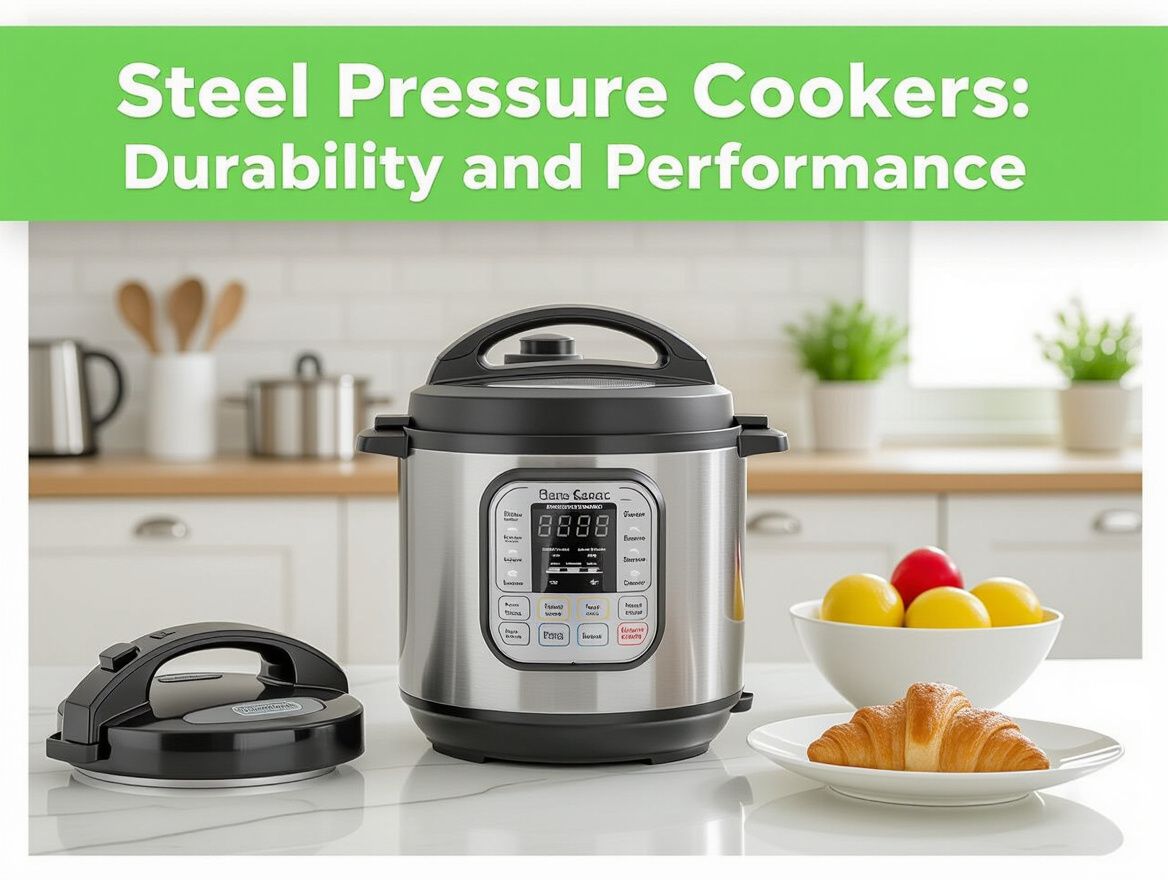
Steel Pressure Cookers: Durability and Performance
Why Choose Steel Pressure Cookers?
Steel pressure cookers are a popular choice among home cooks seeking durability and efficiency in their kitchen appliances. Constructed from high-quality stainless steel, these cookers offer several advantages that make them stand out from alternatives like aluminum or non-stick models.
Key Benefits of Steel Pressure Cookers
-
Durability: Steel pressure cookers are resistant to wear and tear, ensuring they can withstand high temperatures and heavy use over time. Unlike aluminum, they don’t warp or scratch easily.
-
Non-Reactive Surface: Stainless steel does not react with acidic foods, preserving the flavor and nutritional content of your dishes. This is particularly important when cooking tomato-based or citrus dishes.
-
Heat Distribution: Many steel pressure cookers utilize triply technology, which enhances heat distribution. This means food cooks evenly and efficiently, reducing the risk of burning or unevenly cooked meals.
-
Safety Features: Most steel pressure cookers come equipped with advanced safety mechanisms, such as secure locking systems and pressure release valves, providing peace of mind while cooking.
-
Ease of Cleaning: The smooth surface of stainless steel makes these cookers easy to clean, often allowing for dishwasher-safe components which save time and effort in the kitchen.
When considering a steel pressure cooker, it's essential to assess your specific cooking needs. Think about the size that will best fit your family’s meals, the type of dishes you frequently prepare, and how often you plan to use the appliance. Understanding these factors will help you select a model that not only meets your culinary requirements but also stands the test of time.
Key Features to Consider
When evaluating steel pressure cookers, certain features are crucial to ensure you choose a model that fits your cooking style and needs. Here’s a checklist to guide your assessment:
-
Material Quality:
- Look for triply stainless steel construction, which combines layers of stainless steel and aluminum for enhanced durability and even heat distribution. This design minimizes the risk of warping and ensures consistent cooking results.
-
Safety Mechanisms:
- Ensure the cooker has reliable safety features, such as:
- Secure Locking Systems: These prevent accidental opening during cooking.
- Pressure Release Valves: Automatic valves help regulate pressure and release steam safely, preventing accidents.
- Ensure the cooker has reliable safety features, such as:
-
Ease of Cleaning and Maintenance:
- Opt for models with removable parts that are dishwasher safe. A smooth stainless steel surface is easier to wipe down, making post-cooking cleanup less of a chore.
-
Size and Capacity:
- Consider the size that best fits your household. A larger capacity may be beneficial for meal prepping or cooking for bigger families, while a smaller model might suffice for singles or couples.
-
Compatibility with Heat Sources:
- Check whether the pressure cooker is compatible with your cooking surface, including induction, gas, or electric stoves. Some models may perform better on specific types of heat sources.
By carefully considering these features, you can select a steel pressure cooker that not only meets your culinary requirements but also ensures long-lasting performance and reliability in your kitchen.
Performance and Durability Analysis
Steel pressure cookers excel in both performance and durability, making them a reliable choice for home cooks. Their construction from high-quality stainless steel contributes significantly to their efficiency and longevity across various cooking scenarios.
Cooking Efficiency
-
Heat Distribution: Many steel pressure cookers employ triply technology, which incorporates layers of stainless steel and aluminum. This design allows for even heat distribution, ensuring that food cooks uniformly without hot spots, which can lead to burning or uneven cooking.
-
Reduced Cooking Times: Steel pressure cookers are designed to build pressure quickly, reducing overall cooking times. This efficiency is particularly beneficial for busy home cooks who want to prepare meals quickly without sacrificing quality.
Durability Factors
-
Resistance to Wear and Tear: Stainless steel is known for its durability. Unlike aluminum, which can warp or scratch easily, steel pressure cookers maintain their integrity over time, even under high temperatures and heavy use. This resistance ensures that your cooker remains functional and visually appealing for years.
-
Non-Reactivity: One of the standout features of stainless steel is its non-reactive nature. It does not interact with acidic ingredients, such as tomatoes or citrus, which helps preserve the flavors and nutritional value of your meals. This characteristic makes steel pressure cookers a smart choice for a wide range of recipes.
Trade-offs and Considerations
While steel pressure cookers offer numerous advantages, it's important to consider potential trade-offs:
-
Weight: Steel pressure cookers tend to be heavier than their aluminum counterparts. This added weight can be a factor if you require a portable option or have difficulty lifting heavier cookware.
-
Price Point: Generally, steel pressure cookers are more expensive than aluminum models. However, the investment often pays off in terms of durability and performance over time.
-
Cleaning and Maintenance: Although stainless steel is easy to clean, it may require more effort to remove stubborn stains compared to non-stick surfaces. Consider your willingness to maintain the appearance of your cooker when making a decision.
In summary, steel pressure cookers offer exceptional cooking efficiency and long-lasting durability, making them a valuable addition to any kitchen. Assessing your cooking needs, preferences, and the trade-offs involved will help you make an informed choice that aligns with your culinary lifestyle.
Potential Risks and Trade-offs
While steel pressure cookers offer numerous advantages, it's important to be aware of potential risks and trade-offs that may affect your cooking experience. Understanding these limitations can help you make a more informed decision.
Common Buyer Problems
-
Leaking Gaskets: One of the most frequent issues with pressure cookers is the gasket not forming a proper seal. This can lead to steam escaping, preventing the cooker from building pressure. Regular inspection and replacement of gaskets are essential for maintaining performance.
-
Pressure Issues: Occasionally, steel pressure cookers may fail to reach or maintain the desired pressure due to blockages in the vent or valve. It's important to keep these parts clean and functional to ensure safe cooking.
-
Lid Problems: If the lid does not lock securely, it can pose safety risks. Always check that the locking mechanism is functioning correctly before use.
Trade-offs to Consider
-
Weight vs. Durability: Steel pressure cookers are generally heavier than their aluminum counterparts, which can make them more cumbersome to handle. However, this added weight often translates to greater durability and stability during cooking.
-
Price Considerations: High-quality stainless steel pressure cookers typically come at a higher price point compared to aluminum models. While the initial investment may be more significant, the long-term durability and performance can justify the cost.
-
Heat Retention: While stainless steel is excellent for heat distribution, it may take longer to heat up compared to aluminum. If you prioritize rapid cooking times, this is a factor to consider.
Being aware of these potential risks and trade-offs will help you choose a steel pressure cooker that aligns with your cooking preferences and long-term needs.
Frequently Asked Questions
As you explore the benefits of steel pressure cookers, you may have some questions about their advantages, maintenance, and warranty considerations. Here are answers to common queries that can help guide your decision-making.
What makes steel pressure cookers superior to alternatives?
Steel pressure cookers offer several advantages over aluminum or non-stick models:
- Durability: They are less prone to warping or scratching, ensuring a longer lifespan.
- Non-Reactive Surface: Stainless steel does not react with acidic foods, which helps maintain the integrity of your dishes.
- Heat Distribution: Many steel models utilize triply technology for even cooking, reducing the chances of unevenly cooked food.
How do I maintain my steel pressure cooker for longevity?
To ensure your steel pressure cooker remains in excellent condition:
- Regular Cleaning: Clean the cooker after each use to prevent food residue buildup. Most stainless steel models are dishwasher safe.
- Inspect Seals and Gaskets: Regularly check the gaskets for wear and replace them as needed to maintain a proper seal.
- Avoid Overfilling: Follow the manufacturer's guidelines on maximum fill levels to prevent pressure issues.
What should I look for in terms of warranty and support?
When purchasing a steel pressure cooker, consider the following warranty and support aspects:
- Warranty Duration: Look for models with a warranty that covers parts and labor for a reasonable period, typically 1-3 years.
- Customer Support: Check if the manufacturer offers accessible customer service for troubleshooting and parts replacement.
- Independent Testing Approval: Ensure the product has been tested by recognized organizations, which can provide additional assurance of safety and performance.
Understanding these factors will help you make an informed decision about which steel pressure cooker best suits your cooking needs and preferences.
Making the Right Choice
Selecting the best steel pressure cooker for your kitchen involves careful consideration of your personal cooking needs and preferences. Here are some key points to guide your decision-making process:
-
Assess Your Cooking Style:
- Consider the types of meals you typically prepare. If you often cook for a larger family, a larger capacity cooker may be necessary. Conversely, for smaller households or occasional use, a compact model might suffice.
-
Evaluate Durability and Maintenance:
- Look for models made from high-quality triply stainless steel, which offers both durability and efficient heat distribution. This ensures longevity and minimizes the risk of warping or damage over time.
-
Prioritize Safety Features:
- Ensure that the cooker includes essential safety mechanisms, such as secure locking systems and pressure release valves. These features enhance safety during cooking and provide peace of mind.
-
Consider Ease of Cleaning:
- Choose a model with removable parts that are dishwasher-safe, simplifying the cleaning process. The smooth surface of stainless steel also helps in maintaining hygiene.
-
Reflect on Price vs. Features:
- While investing in a high-quality steel pressure cooker may have a higher upfront cost, consider the long-term benefits of durability and efficiency. A more expensive model may save you money over time by avoiding replacements.
By weighing these factors, you can make a more informed choice that aligns with your cooking habits and ensures you invest in a reliable kitchen appliance.
Final Thoughts on Steel Pressure Cookers
Choosing a steel pressure cooker can significantly enhance your cooking experience due to its numerous advantages. These cookers not only offer exceptional durability but also ensure that your meals are prepared efficiently and safely. The non-reactive surface of stainless steel helps maintain the integrity of flavors, which is a critical factor for many home cooks.
As you explore options, consider the following factors to find a steel pressure cooker that aligns with your cooking needs:
-
Cooking Capacity: Assess the size based on your household's meal preparation needs. A larger capacity may be necessary for families or batch cooking, while smaller models are ideal for individuals or couples.
-
Safety Features: Look for models equipped with advanced safety mechanisms like secure locking systems and pressure release valves. These features are essential for worry-free cooking, particularly if you are new to pressure cooking.
-
Maintenance and Cleaning: Evaluate how easy the cooker is to clean. Stainless steel models often have dishwasher-safe components, which can save time and effort.
-
Long-Term Performance: Consider the warranty and the reputation of the brand. A strong warranty can indicate confidence in the product's durability.
By weighing these criteria, you can make an informed decision that not only meets your immediate cooking requirements but also provides long-lasting performance in your kitchen. As you shop, keep in mind that investing in a quality steel pressure cooker is a step towards more efficient and enjoyable cooking.
More in Pressure Cookers
View All