Glass Food Steamers: A Safe and Stylish Cooking Option
Understanding Glass Food Steamers
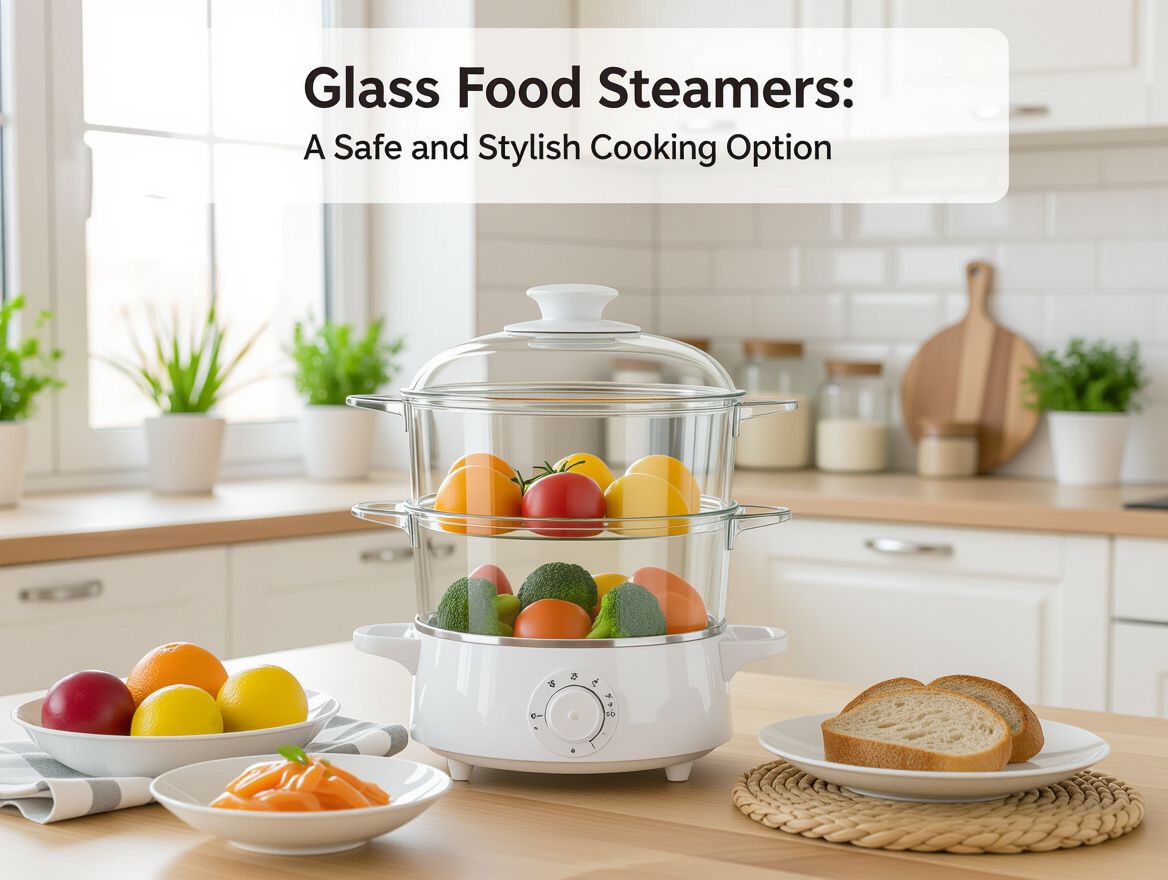
Glass food steamers are innovative kitchen appliances designed to cook food using steam, providing a healthier alternative to traditional cooking methods. Made primarily from tempered glass, these steamers offer a non-toxic cooking environment, free from harmful chemicals often found in plastics. This makes them particularly appealing to health-conscious cooks who prioritize both safety and style in their culinary practices.
Benefits of Glass Food Steamers
- Health Safety: Unlike plastic steamers, glass does not leach chemicals into food when heated, ensuring that your meals remain pure and free from contaminants.
- Aesthetic Appeal: Glass steamers are often more visually appealing than their plastic counterparts, adding a touch of elegance to your kitchen while allowing you to monitor cooking progress without lifting the lid.
- Durability: Glass is generally more durable than plastic, making it resistant to scratches and staining, which can be common issues with plastic steamers over time.
Considerations Before Purchase
While glass food steamers have many advantages, there are several factors to consider:
- Weight: Glass steamers can be heavier than plastic models, which may be a concern for some users when handling or storing.
- Fragility: Although tempered glass is designed to withstand high temperatures, it can still break if dropped or subjected to sudden temperature changes.
- Cost: Glass steamers may come at a higher price point compared to plastic options, which could impact your budget, especially if you're looking for multiple units.
By understanding these benefits and considerations, you can make a more informed decision about whether a glass food steamer fits your cooking needs and lifestyle.
Key Features to Look for in Glass Food Steamers
When considering glass food steamers, it's essential to evaluate specific features that enhance your cooking experience while ensuring safety and efficiency. Below is a checklist to guide your decision-making process:
-
Material Quality and Safety
- Opt for borosilicate glass, which is more resistant to thermal shock and less likely to leach chemicals compared to plastic alternatives.
- Check if the glass is free from BPA and other harmful substances to ensure a healthier cooking environment.
-
Size and Capacity Considerations
- Assess your cooking needs: consider the number of servings you typically prepare. Smaller models may suffice for individuals or couples, while larger steamers are ideal for families or meal prepping.
- Look for stackable designs that allow for multi-layer cooking, maximizing space and efficiency.
-
Compatibility with Cooking Appliances
- Ensure the steamer is compatible with your cooking appliances, such as stovetops or microwaves. Some glass steamers are designed for oven use, which can expand your cooking options.
- Verify the steamer's dimensions to ensure it fits well within your kitchen setup, including storage spaces.
Being mindful of these features will help you select a glass food steamer that aligns with your health-conscious cooking goals while providing a stylish addition to your kitchen.
Pros and Cons of Glass Food Steamers
When considering glass food steamers, it's essential to evaluate both their benefits and potential drawbacks. This analysis helps health-conscious cooks make informed decisions that align with their culinary needs and lifestyle.
Health Benefits of Glass vs. Plastic
- Non-Toxic Cooking: Glass is inherently free from harmful chemicals like BPA and phthalates, commonly found in plastics. This makes glass food steamers a safer choice for cooking, especially when preparing meals for children or those with sensitivities.
- Taste Preservation: Glass does not absorb odors or flavors, ensuring that the food retains its natural taste. This is particularly advantageous for steaming delicate ingredients like fish or vegetables.
Durability and Maintenance
- Longevity: Glass steamers tend to be more durable than plastic options, particularly when it comes to heat resistance. However, they can be more fragile; care must be taken to avoid chipping or breaking.
- Cleaning Ease: Glass is typically dishwasher-safe and easy to clean, making it a convenient option for busy cooks. Unlike plastic, glass does not stain or retain food particles, which can lead to bacterial growth.
Cost Considerations
- Initial Investment: Glass food steamers may come with a higher upfront cost compared to their plastic counterparts. This is an important factor to weigh against the long-term benefits, such as durability and health safety.
- Value Over Time: While the initial price may deter some buyers, the longevity and health benefits of glass can result in better value over time. Consider how often you will use the steamer and whether the investment aligns with your cooking habits.
In summary, glass food steamers offer significant health benefits and ease of maintenance but come with considerations regarding durability and initial cost. Weighing these factors will help you determine if a glass food steamer is the right fit for your kitchen.
Risks and Limitations of Glass Food Steamers
While glass food steamers offer numerous benefits, it's important to be aware of their risks and limitations to ensure they meet your cooking needs effectively. Here are key considerations:
-
Fragility and Handling Concerns: Glass steamers, despite being made from tempered glass, are still susceptible to breaking if dropped. Careful handling is essential, particularly when transferring them from the stove or when cleaning. Users should also be cautious about sudden temperature changes, which can lead to thermal shock and cracking.
-
Heat Resistance and Cooking Limitations: Although glass can withstand high temperatures, it may not be suitable for all cooking methods. For instance, some glass steamers might not be designed for use in an oven or under a broiler, limiting their versatility compared to materials like stainless steel. Always check the manufacturer's guidelines to ensure safe cooking practices.
-
Comparison with Other Materials: When compared to plastic or metal steamers, glass food steamers may have a higher initial cost and weight. While they offer health benefits by not leaching chemicals, their heavier design may be a disadvantage for those who prefer lightweight cookware. Additionally, plastic steamers often come with more features, such as stackable designs or built-in timers, which may not be available in glass models.
Understanding these risks and limitations can help you determine if a glass food steamer aligns with your cooking style and safety preferences.
Frequently Asked Questions About Glass Food Steamers
When considering a glass food steamer for your kitchen, you may have some common questions. Here are answers to help guide your decision:
Can glass steamers go in the dishwasher?
Yes, many glass food steamers are dishwasher safe. However, it’s crucial to check the manufacturer's guidelines before placing them in the dishwasher. Some components, like lids or any non-glass parts, may not be dishwasher safe and should be cleaned by hand.
How do I clean and maintain glass food steamers?
Cleaning glass food steamers is typically straightforward. After use, allow them to cool down, then wash with warm, soapy water. For tough stains or residues, a baking soda paste can be effective. Avoid using abrasive cleaners or scouring pads, as these can scratch the glass. Regular maintenance includes checking for any chips or cracks to ensure safe use.
Are there any health risks associated with glass food steamers?
Glass food steamers are generally considered safe for cooking, as they do not leach chemicals into food like some plastic alternatives might. However, users should be cautious of handling hot glass, as it can cause burns. Additionally, ensure that the glass is made from high-quality materials, like borosilicate glass, which can withstand thermal shock and is less likely to break during use.
By addressing these FAQs, you can be more informed about the practical aspects of using glass food steamers, enhancing your confidence in making a purchase.
Making an Informed Decision on Glass Food Steamers
When considering the purchase of a glass food steamer, it’s crucial to weigh the advantages against potential drawbacks. Glass food steamers are celebrated for their health safety, aesthetic appeal, and durability, making them a great choice for health-conscious cooks. However, understanding your personal cooking needs is essential to ensure that a glass steamer aligns with your lifestyle.
Key Points to Consider:
-
Health and Safety: Glass steamers do not leach harmful chemicals, providing a safer cooking environment. This is particularly important for those looking to minimize exposure to toxins in their food.
-
Visual Appeal and Functionality: The elegant design of glass steamers allows for easy monitoring of cooking without lifting the lid, enhancing both the cooking experience and presentation.
-
Weight and Handling: The heavier nature of glass may be a challenge for some users, especially in terms of lifting and storage. Evaluate your comfort with handling heavier kitchenware.
-
Fragility vs. Durability: While tempered glass is designed to withstand high temperatures, it remains susceptible to breaking under impact. Consider your kitchen dynamics and whether you have space for careful storage.
-
Cost Considerations: Glass steamers often come at a premium compared to plastic alternatives. Assess your budget and how often you plan to use the steamer to determine if the investment is justified.
Ultimately, balance these factors against your cooking habits and preferences. By doing so, you can confidently decide whether a glass food steamer is the right addition to your kitchen.