Instant Read Cooking Thermometers: Fast and Accurate Cooking
Why Instant Read Cooking Thermometers Matter
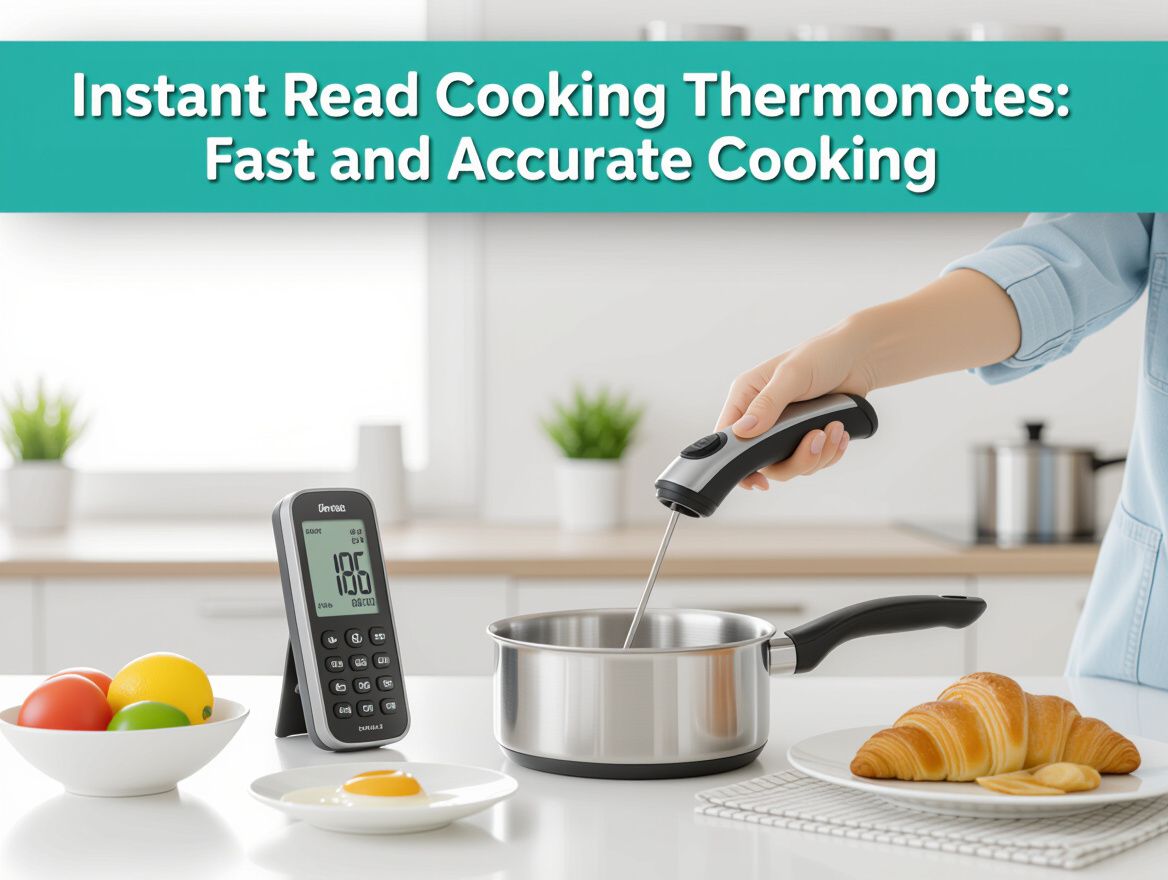
Instant read cooking thermometers are essential kitchen tools that provide quick and precise temperature readings, ensuring that your food is cooked to perfection. Unlike traditional thermometers that may require longer wait times for accurate readings, instant read models deliver results in just a few seconds. This speed is crucial for home cooks and culinary enthusiasts who value efficiency and accuracy in their cooking processes.
Advantages Over Traditional Methods
- Speed: Instant read thermometers can provide temperature readings within 2-5 seconds, allowing you to monitor cooking progress without losing heat from the cooking surface.
- Accuracy: These thermometers often feature high-quality sensors that yield precise measurements, helping to avoid undercooked or overcooked dishes.
- Versatility: Instant read thermometers are suitable for a variety of cooking methods, including grilling, baking, and frying, making them a valuable addition to any kitchen.
- Ease of Use: Many models are designed with user-friendly interfaces, making them accessible for cooks of all skill levels.
Considerations for Purchase
While instant read thermometers offer significant advantages, there are several factors to consider before making a purchase:
- Calibration: Ensure the thermometer can be calibrated for accuracy over time.
- Temperature Range: Check the thermometer's range to ensure it meets your cooking needs, especially for high-heat applications.
- Durability: Look for models made from sturdy materials that can withstand kitchen environments.
- Response Time: Compare response times among different models to find one that fits your speed requirements.
By understanding these benefits and considerations, you can make an informed decision when choosing an instant read cooking thermometer that best fits your culinary needs.
Key Features to Look for in Instant Read Thermometers
When selecting an instant read cooking thermometer, it's essential to consider several key features that enhance usability and ensure accurate cooking results. Here’s a checklist to guide your purchase:
-
Response Time and Accuracy: Look for thermometers that provide readings in under 5 seconds. Accuracy within ±1-2°F is ideal for reliable cooking.
-
Temperature Range: Ensure the thermometer can measure a wide range of temperatures, typically from -40°F to 500°F. This flexibility allows for various cooking methods, from candy making to grilling.
-
Display Readability: Choose a model with a large, easy-to-read display. Backlit screens can be particularly useful for low-light cooking environments.
-
Battery Life: Consider the battery type and expected lifespan. Models with long-lasting batteries or rechargeable options are convenient and cost-effective.
-
Build Quality and Water Resistance: Opt for thermometers made from durable materials that can withstand kitchen conditions. Water resistance is a plus, making it easier to clean and maintain.
By focusing on these features, you can find an instant read cooking thermometer that meets your culinary needs and enhances your cooking experience.
Comparing Instant Read Thermometers with Other Cooking Tools
When it comes to ensuring perfectly cooked food, the choice of cooking thermometer can significantly impact your results. Instant read cooking thermometers stand out among alternatives like dial thermometers and probe thermometers, each having unique advantages and limitations.
Instant Read Thermometers vs. Dial Thermometers
- Speed and Efficiency: Instant read thermometers provide quick temperature readings, often within seconds, making them ideal for checking the doneness of food without prolonged exposure to heat.
- Accuracy: While dial thermometers can be accurate, they typically take longer to stabilize, which can lead to inaccuracies if the cook is impatient or if the thermometer is not calibrated properly.
- Usability: Instant read models are generally easier to use for quick checks, while dial thermometers may require more careful placement to ensure the probe is in the correct part of the food.
Instant Read Thermometers vs. Probe Thermometers
- Convenience: Instant read thermometers are portable and can be used for a variety of cooking tasks, whereas probe thermometers are often left in the food during cooking, allowing for continuous monitoring.
- Best Use Cases: If you're frequently checking temperatures throughout cooking, a probe thermometer might be beneficial. However, for intermittent checks, especially in grilling or baking, instant read thermometers excel.
- Limitations: Probe thermometers can be more convenient for long cooking processes, but they may not be suitable for thin cuts of meat or delicate dishes where precise temperature control is critical.
Situational Considerations
- Cooking Method: For high-heat methods like grilling or frying, instant read thermometers can quickly determine if food has reached the desired temperature. Conversely, probe thermometers are better for slow-roasting or smoking, where you want to monitor temperature over time.
- Food Type: Instant read thermometers are ideal for quickly checking the doneness of steaks or baked goods, while probe thermometers are useful for larger cuts of meat that require longer cooking times.
In summary, while instant read thermometers offer speed and ease of use, understanding their strengths and weaknesses compared to dial and probe thermometers can help you choose the right tool for your cooking needs. Consider your cooking style, the types of food you prepare, and how often you need to check temperatures to make an informed decision.
Common Pitfalls and Risks of Using Instant Read Thermometers
While instant read cooking thermometers are invaluable for achieving cooking precision, they do come with certain pitfalls and risks that users should be aware of:
-
Calibration Issues: Over time, thermometers can lose their accuracy. Regular calibration is essential to ensure that the readings are reliable. Some models may not have an easy calibration feature, leading to potential misreadings if not checked periodically.
-
Misreading Temperatures: Instant read thermometers can sometimes provide inaccurate readings due to improper placement in the food. For example, inserting the probe too close to bone or in the wrong part of the food can result in misleading temperature readings, affecting the safety and quality of the dish.
-
Durability Concerns: Not all instant read thermometers are built to withstand the rigors of a busy kitchen. Some models may have fragile components or screens that can easily break if dropped. It's important to consider the build quality and materials used in the thermometer to ensure it can handle everyday use.
Being mindful of these potential issues can help you make a more informed decision when selecting an instant read cooking thermometer, ensuring it meets your cooking needs effectively.
Frequently Asked Questions About Instant Read Cooking Thermometers
When considering the purchase of an instant read cooking thermometer, many home cooks and culinary enthusiasts have common questions that can aid in making informed decisions. Here are some frequently asked questions and their answers.
How do I properly use an instant read thermometer?
To use an instant read thermometer effectively, follow these steps:
- Insert the Probe: Place the thermometer's probe into the thickest part of the food, avoiding bone or fat for the most accurate reading.
- Wait for the Reading: Allow the thermometer to stabilize for a few seconds until the reading stops fluctuating.
- Read the Temperature: Check the display for the temperature and compare it with recommended cooking temperatures for safety.
What temperature should I aim for with different meats?
Cooking temperatures vary by meat type to ensure safety:
- Poultry: Aim for 165°F (74°C).
- Beef (Ground): Target 160°F (71°C).
- Beef (Steaks and Roasts): Aim for 145°F (63°C) for medium rare.
- Pork: Cook to at least 145°F (63°C) with a rest time of 3 minutes.
- Fish: Cook until it reaches 145°F (63°C).
How can I ensure my thermometer is accurate?
To maintain accuracy:
- Calibration: Regularly calibrate your thermometer using ice water or boiling water methods.
- Check for Damage: Inspect the probe for any signs of wear or damage that could affect readings.
- Test Before Use: Test the thermometer in a known temperature (like ice water) before cooking to ensure it reads correctly.
Are there any maintenance tips?
Proper maintenance extends the life of your instant read thermometer:
- Clean After Use: Wash the probe with warm, soapy water after each use to prevent cross-contamination.
- Store Properly: Keep the thermometer in a protective case or hang it in a dry place to avoid damage.
- Avoid Extreme Temperatures: Don’t expose the thermometer to extreme heat or cold outside of its specified range, as this can affect its accuracy.
By addressing these common queries, you can confidently choose and utilize an instant read cooking thermometer, ensuring precision in your culinary endeavors.
Making the Right Choice for Your Cooking Needs
Selecting the right instant read cooking thermometer is crucial for achieving culinary success. The right tool can elevate your cooking by ensuring that meats are cooked to the perfect temperature, baked goods rise properly, and delicate dishes are prepared without risk of overcooking.
When considering a purchase, reflect on your personal cooking style and the types of dishes you frequently prepare. Here are some key points to guide your decision:
- Cooking Frequency: If you often prepare meats or engage in baking, a fast and accurate thermometer will significantly reduce the risk of undercooking or overcooking.
- Kitchen Environment: Consider the durability of the thermometer based on your kitchen's conditions. If you often work in high-heat environments, opt for models designed to withstand such conditions.
- Ease of Calibration: Regular calibration can ensure your thermometer remains accurate over time, which is particularly important for precision cooking.
- Storage and Portability: If you have limited kitchen space or plan to take the thermometer on the go (e.g., for barbecues), look for compact options that are easy to store.
By weighing these factors against your cooking habits, you can confidently choose an instant read cooking thermometer that enhances your culinary experience.
More in Cooking Thermometers
View All