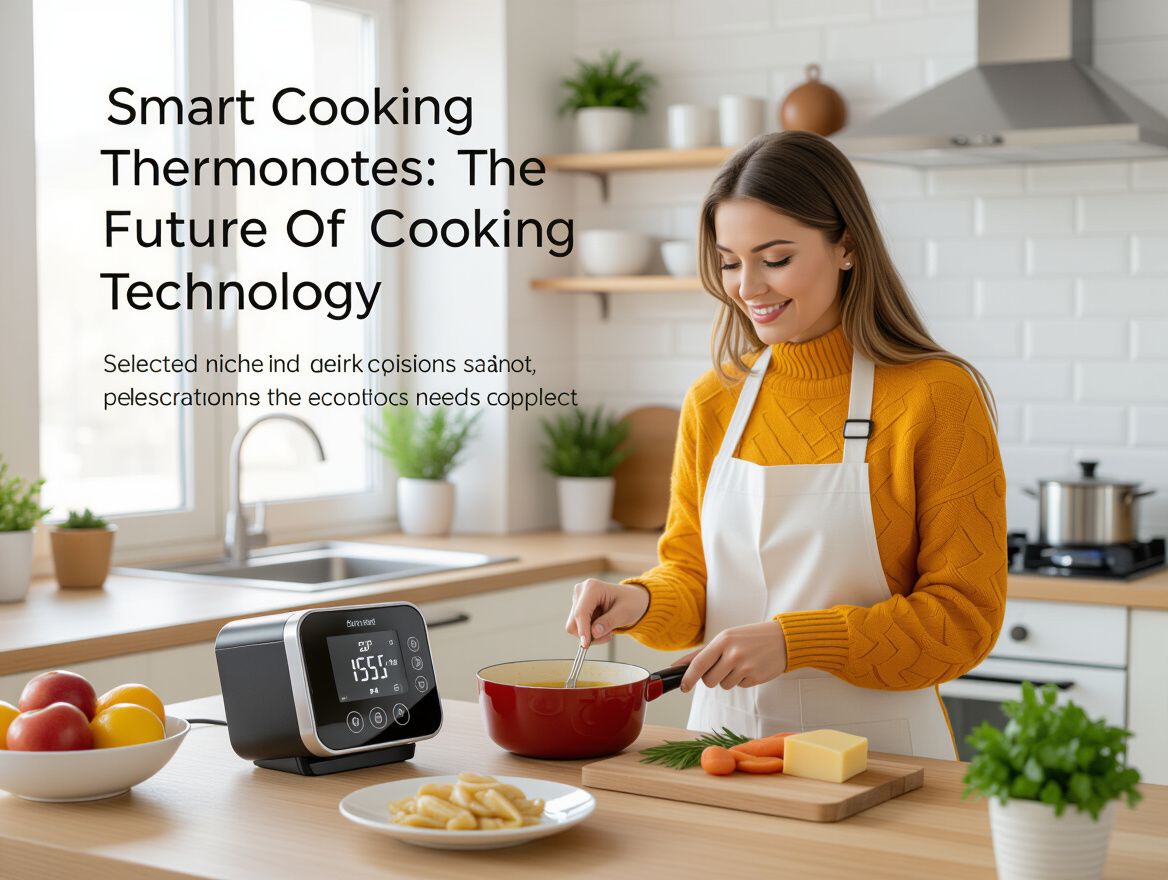
Smart Cooking Thermometers: The Future of Cooking Technology
Understanding Smart Cooking Thermometers
Smart cooking thermometers represent a significant advancement in culinary technology, allowing home cooks and culinary enthusiasts to achieve precision in their cooking like never before. These devices connect to smartphones or tablets, utilizing apps to provide real-time temperature readings and alerts, which help ensure that meats are cooked to perfection without the need to constantly check manually.
Emerging Trends in Cooking Technology
The rise of smart cooking thermometers is part of a broader trend toward automation in the kitchen. With the integration of IoT (Internet of Things) technology, these thermometers not only measure temperature but also offer features such as:
- Remote Monitoring: Ability to monitor cooking from a distance via smartphone notifications.
- Recipe Guidance: Some models provide cooking recommendations based on the type of meat and desired doneness.
- Data Logging: Keeping track of temperature over time for consistent results.
Importance for Today’s Cooks
For tech-savvy cooks, smart cooking thermometers can enhance the cooking experience by reducing guesswork and increasing confidence in the kitchen. They are particularly valuable for:
- Precision Cooking: Ensuring that food is cooked to the exact temperature required for safety and taste.
- Time Management: Allowing cooks to multitask effectively by receiving alerts when food reaches the target temperature.
- Experimentation: Encouraging culinary exploration by making it easier to try new techniques, such as sous vide cooking.
As technology continues to evolve, smart cooking thermometers are becoming essential tools for anyone looking to elevate their culinary skills and streamline the cooking process.
Key Features to Consider When Buying
When selecting a smart cooking thermometer, understanding the essential features can significantly enhance your cooking experience. Here are the critical criteria to evaluate:
-
Accuracy and Precision: Look for thermometers that offer high accuracy (typically within ±1°F) to ensure your dishes are cooked to perfection. Precision is crucial, especially for meats and baked goods where temperature can make a significant difference in texture and flavor.
-
Connectivity Options (Wi-Fi, Bluetooth): Choose a thermometer with the connectivity that best fits your cooking style. Wi-Fi-enabled models allow for remote monitoring from anywhere in your home, while Bluetooth options may be more suitable for short-range use. Evaluate how each option integrates with your kitchen setup and personal preferences.
-
Mobile App Functionality: A robust mobile app enhances the usability of smart thermometers. Look for features such as customizable alerts, recipe integration, and cooking history tracking. These capabilities can streamline your cooking process and help you achieve consistent results.
-
Temperature Range and Response Time: Check the thermometer’s temperature range to ensure it meets your cooking needs, particularly if you plan to use it for grilling or deep frying. Additionally, a quick response time (ideally within a few seconds) is essential for minimizing heat loss when checking temperatures.
By focusing on these features, you can make a more informed decision that aligns with your culinary ambitions and technological preferences.
Understanding Trade-offs and Limitations
While smart cooking thermometers offer numerous benefits for tech-savvy cooks, it’s essential to consider their potential downsides and limitations. Understanding these trade-offs can help you make a more informed decision when integrating this technology into your cooking routine.
-
Battery Life Considerations: Many smart cooking thermometers rely on batteries, which can vary significantly in lifespan. Frequent use or high connectivity demands may lead to more regular battery replacements, potentially disrupting your cooking sessions. Look for models with long-lasting batteries or rechargeable options to minimize inconvenience.
-
Dependence on Technology: Smart thermometers often require a smartphone or smart device for full functionality, such as monitoring temperatures remotely or accessing advanced features. This reliance on technology can be a drawback if your device runs out of battery or if you encounter connectivity issues. Ensure that you are comfortable with the technology before committing to a purchase.
-
Learning Curve for New Users: For those unfamiliar with advanced cooking gadgets, smart thermometers can present a learning curve. Understanding how to set them up, adjust settings, and interpret data may take time. If you’re not tech-savvy or prefer straightforward tools, consider whether the benefits outweigh the initial frustration of learning a new device.
By weighing these trade-offs, you can better determine if a smart cooking thermometer aligns with your cooking style and technology comfort level.
Assessing Your Cooking Needs
When considering a smart cooking thermometer, it's essential to evaluate your specific cooking style and frequency of use. Understanding how these devices fit into your culinary routines can significantly enhance your cooking experience.
Cooking Styles
Different cooking methods may require distinct thermometer features:
- Grilling: Look for thermometers that can withstand high temperatures and have a quick response time. Wireless models are beneficial for outdoor cooking, allowing you to monitor meat from a distance.
- Baking: For baking enthusiasts, consider models that offer precision and consistency, particularly those that can log temperatures over time to help refine recipes.
- Sous Vide: If you enjoy sous vide cooking, choose a thermometer that can provide accurate readings at lower temperatures and has the capability to connect with an app for precise control.
Frequency of Use and Kitchen Space
Your cooking frequency and available kitchen space are crucial factors:
- Frequent Use: If you cook daily, investing in a durable model with a long battery life and user-friendly app integration can save time and frustration.
- Occasional Use: For infrequent cooks, a simpler, more cost-effective model may suffice, as long as it meets your basic temperature monitoring needs.
- Space Considerations: If your kitchen is limited in space, opt for a compact thermometer that can be easily stored or one that features a sleek design that fits well with your tools.
Compatibility with Existing Kitchen Tools
Lastly, ensure that the smart thermometer you choose is compatible with your current kitchen setup:
- App Compatibility: Check if the thermometer's app works with your smartphone or tablet operating system.
- Integration with Other Devices: Some models can sync with smart home systems or other cooking gadgets, enhancing your overall kitchen experience.
By carefully assessing these factors, you can select a smart cooking thermometer that aligns with your cooking habits, ensuring a seamless integration into your culinary practices.
Risks and Considerations
While smart cooking thermometers offer many advantages, it's essential to be aware of potential risks and considerations that could impact your cooking experience. Understanding these factors can help you make an informed decision about incorporating this technology into your kitchen.
-
Reliability of Technology: Smart cooking thermometers rely on technology that may not always perform flawlessly, especially during critical cooking moments. Connectivity issues, app malfunctions, or battery failures can lead to inaccurate readings or missed alerts, which may compromise food safety or cooking quality.
-
Privacy Concerns: As smart devices connect to the internet and often collect data, privacy is a legitimate concern. Users should be cautious about the data these devices collect, how it is stored, and who has access to it. Ensuring that your device has robust security features can help mitigate these risks.
-
Durability and Maintenance: Depending on the model, smart cooking thermometers may require more maintenance than traditional thermometers. Issues such as water resistance, battery life, and the longevity of electronic components can affect their durability. Regular cleaning and proper storage are necessary to ensure these devices function optimally over time.
Being aware of these risks allows you to weigh the benefits against potential drawbacks, helping you choose a smart cooking thermometer that fits your cooking style and needs.
Frequently Asked Questions
Smart cooking thermometers are gaining popularity among culinary enthusiasts, but potential buyers often have questions regarding their functionality and advantages. Here are some common inquiries that can help clarify the value of these devices.
What problems do smart cooking thermometers solve?
Smart cooking thermometers address several common cooking challenges, including:
- Inconsistent Cooking: They provide precise temperature readings, ensuring that meats and other dishes are cooked accurately, reducing the risk of undercooking or overcooking.
- Monitoring Without Constant Attention: With features like remote alerts, cooks can focus on other tasks while still keeping track of their cooking progress.
- Enhanced Cooking Confidence: By eliminating guesswork, these thermometers empower cooks to achieve professional-level results at home.
How do smart thermometers compare to traditional ones?
Smart thermometers offer distinct advantages over traditional models, such as:
- Connectivity: Many smart thermometers connect to your smartphone, allowing for real-time monitoring and notifications.
- Advanced Features: Options like data logging and recipe guidance help cooks make informed decisions based on temperature trends and cooking styles.
- User Experience: The integration of apps enhances usability, offering a more interactive and informative cooking experience compared to traditional dial or instant-read thermometers.
What features should be prioritized based on cooking habits?
When selecting a smart cooking thermometer, consider the following features based on your cooking style:
- Temperature Range: Ensure the thermometer can handle the temperature ranges you typically cook at, especially for techniques like sous vide.
- Battery Life: Look for models with long-lasting battery life, particularly if you often cook for extended periods.
- Ease of Use: Features such as a user-friendly app interface and simple setup can greatly enhance your cooking experience, particularly for those new to smart kitchen technology.
By understanding these key elements, you can make an informed decision when choosing a smart cooking thermometer that best fits your culinary needs.
Making an Informed Decision
When considering the purchase of a smart cooking thermometer, it's crucial to weigh several key factors that align with your cooking style and needs. Here’s a recap of critical features and considerations to guide your decision-making process:
-
Temperature Range and Response Time: Ensure the thermometer can measure a wide range of temperatures suitable for various cooking methods, and check how quickly it responds to temperature changes for real-time accuracy.
-
User Interface and App Compatibility: A user-friendly interface is essential for seamless operation. Verify that the accompanying app is compatible with your devices and offers features like notifications, cooking tips, and temperature history.
-
Battery Life and Charging Options: Assess the battery life to avoid frequent recharging during cooking sessions. Some models may offer rechargeable options, while others require battery replacement.
-
Durability and Design: Choose a thermometer that is built to withstand kitchen conditions, including heat and moisture. Look for designs that are easy to clean and store.
Before making a purchase, assess your personal cooking habits and preferences. Consider how often you cook, the types of dishes you prepare, and whether you value features like remote monitoring or app integration.
In summary, smart cooking thermometers can significantly enhance your culinary experience by offering precision and convenience. By carefully evaluating the essential features and aligning them with your cooking needs, you can confidently select a thermometer that will elevate your kitchen skills and streamline your cooking processes.
More in Cooking Thermometers
View All