Microwave Pressure Cookers: Fast and Convenient Cooking
Understanding Microwave Pressure Cookers
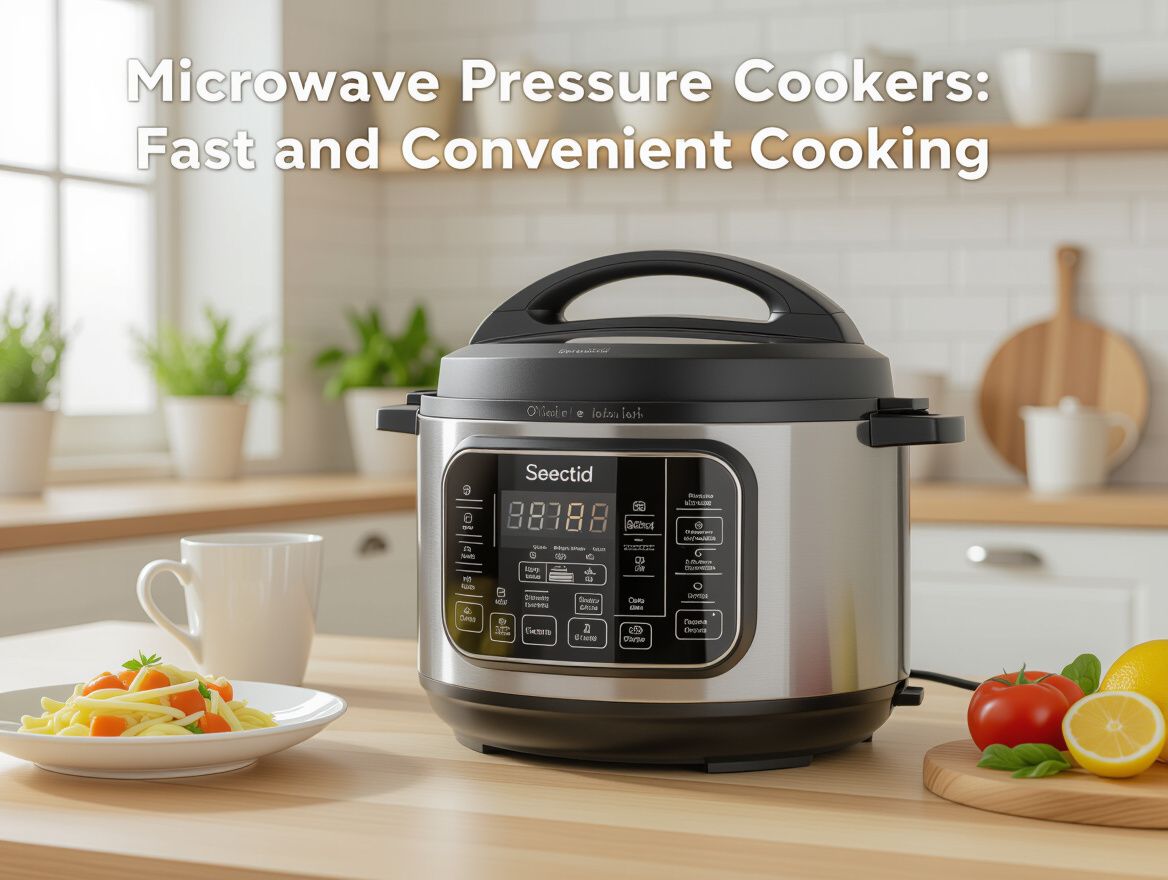
Microwave pressure cookers are innovative kitchen devices designed to speed up cooking by utilizing microwave energy combined with pressure cooking techniques. Unlike traditional stovetop pressure cookers, which rely on heat from a burner, microwave pressure cookers harness the efficiency of microwaves to cook food quickly while retaining moisture and flavor.
Key Benefits:
- Speed: They significantly reduce cooking times, making them ideal for busy home cooks.
- Convenience: Most models are lightweight and easy to handle, with simple operation that often requires minimal setup.
- Versatility: Suitable for a variety of dishes, from stews to grains, allowing for diverse meal options.
Comparison with Traditional Pressure Cookers:
- Cooking Method: Traditional pressure cookers use direct heat, while microwave pressure cookers rely on microwave radiation, which can lead to faster heating.
- Safety: Microwave pressure cookers typically have built-in safety features to prevent overheating and pressure build-up, though users should always follow manufacturer guidelines.
- Maintenance: Traditional models may require more maintenance, with concerns about gasket wear and sealing issues, while microwave versions often have fewer components that can wear out.
By understanding these distinctions and benefits, home cooks can make informed decisions about whether a microwave pressure cooker suits their cooking style and needs.
Key Features to Look For
When considering a microwave pressure cooker, it's essential to evaluate specific features that enhance both safety and usability. Here’s a checklist to guide your selection process:
-
Safety Features and Indicators:
- Look for models with a secure locking mechanism to prevent accidental opening during operation.
- Visual pressure indicators are crucial; they should clearly show when the cooker is under pressure.
- Ensure the cooker has safety valves to release excess pressure, minimizing the risk of accidents.
-
Size and Capacity Considerations:
- Determine the size based on your cooking needs; options typically range from 2 to 6-quart capacities.
- A larger capacity is suitable for families or batch cooking, while a smaller one is ideal for singles or couples.
- Consider the microwave space available; ensure the cooker fits comfortably without obstructing other appliances.
-
Material Quality and Durability:
- Select cookers made from high-quality materials such as stainless steel or BPA-free plastic for better durability and safety.
- Check for a sturdy construction that can withstand high pressure and repeated use without warping or degrading.
- Be aware of the maintenance needs; some materials may require more care to prevent wear and tear.
By focusing on these key features, you can make a more informed decision that aligns with your cooking habits and safety requirements.
Advantages of Using Microwave Pressure Cookers
Microwave pressure cookers offer a unique blend of speed and convenience, making them an appealing option for home cooks seeking efficient cooking solutions. Here’s how they enhance cooking efficiency:
-
Time-Saving Benefits: Compared to traditional cooking methods, microwave pressure cookers can significantly reduce cooking time. They utilize steam and pressure to cook food quickly, often halving the time required for dishes that would typically take hours on the stovetop or in an oven. This makes them ideal for busy households or quick meal preparations.
-
Nutritional Advantages: Pressure cooking is known to preserve nutrients better than some other cooking methods. The shorter cooking times and reduced water usage help retain vitamins and minerals, making meals not only faster but also healthier. This is particularly beneficial for vegetables, which can lose their nutritional value when boiled for extended periods.
-
Versatility in Cooking: Microwave pressure cookers are designed to handle a variety of foods, from grains and legumes to meats and vegetables. This versatility allows home cooks to prepare diverse meals, including soups, stews, and even desserts, all in a single appliance. Furthermore, many models come with multiple cooking settings, enabling users to experiment with different recipes and cooking techniques.
While microwave pressure cookers present numerous advantages, it's essential to consider factors such as size, safety features, and ease of use when selecting the right model for your kitchen. Understanding these elements will help ensure that your cooking experience is both efficient and enjoyable.
Potential Risks and Limitations
While microwave pressure cookers offer a convenient cooking solution, they come with several risks and limitations that home cooks should be aware of before making a purchase.
-
Gasket Leaks and Maintenance Issues: One common problem is gasket leaks, which can occur if the gasket is not properly fitted, worn out, or dirty. Regular cleaning and maintenance of the gasket are essential to prevent leaks that can compromise cooking efficiency and safety.
-
Limitations in Cooking Certain Foods: Microwave pressure cookers may not perform as well with certain foods compared to traditional stovetop models. For instance, they might struggle with achieving the desired browning or caramelization, which can affect the flavor and texture of dishes.
-
Safety Concerns Related to Pressure Buildup: Users must be cautious about pressure buildup. If the lid is not securely closed or if there is insufficient liquid in the cooker, it can lead to dangerous situations, such as excessive pressure that could cause the lid to blow off. Always follow the manufacturer's guidelines for liquid quantities and cooking times to minimize risks.
Understanding these limitations will help you make an informed decision about whether a microwave pressure cooker fits your cooking style and needs.
Making the Right Choice
When selecting a microwave pressure cooker, understanding your cooking needs and evaluating various models can significantly enhance your experience in the kitchen. Here are some essential factors to consider that will guide your decision-making process:
Factors Affecting Your Choice:
- Cooking Capacity: Assess how much food you typically prepare at once. Microwave pressure cookers come in different sizes, so choose one that fits your household needs without compromising cooking efficiency.
- Material Quality: Look for models made from durable materials that can withstand high pressure and microwave energy. Stainless steel and high-quality plastics are common, but ensure they are microwave-safe.
- Ease of Use: Consider the user interface and design. Some models feature intuitive controls, while others may require more manual input, which can affect convenience.
Trade-offs Between Models:
- Speed vs. Versatility: While microwave pressure cookers excel in cooking speed, some models may limit the types of food you can prepare effectively. Models that offer multiple cooking functions may take longer but provide greater versatility.
- Safety Features: Not all microwave pressure cookers come with the same safety mechanisms. Evaluate the presence of features like pressure indicators and automatic shut-off systems to mitigate risks during cooking.
Importance of Reviews and User Feedback:
- User Experiences: Reading reviews can provide insights into common issues faced by users, such as gasket leaks or difficulties with the pressure release mechanism. This feedback can help you identify models with a proven track record of reliability.
- Expert Opinions: Look for articles or resources that discuss the performance of different brands and models. Expert reviews often highlight critical features and potential drawbacks that may not be evident from manufacturer descriptions.
By carefully considering these factors, trade-offs, and the importance of user feedback, you can make a more informed decision when selecting a microwave pressure cooker that aligns with your cooking style and needs.
Frequently Asked Questions
When exploring microwave pressure cookers, home cooks often have specific questions about their functionality, maintenance, and troubleshooting. Here are some of the most common inquiries:
What types of meals can be prepared?
Microwave pressure cookers are versatile tools that can handle a wide array of dishes, including:
- Soups and Stews: Cook hearty meals quickly while retaining flavors.
- Grains: Prepare rice, quinoa, and other grains in a fraction of the time.
- Vegetables: Steam or cook vegetables to preserve nutrients and color.
- Meats: Tenderize and cook meats rapidly, making them juicy and flavorful.
How to maintain and clean a microwave pressure cooker?
Proper maintenance ensures the longevity and efficiency of your microwave pressure cooker. Here are some tips:
- Regular Cleaning: After each use, clean the lid, gasket, and inner pot with warm, soapy water. Avoid abrasive cleaners to prevent damage.
- Gasket Care: Inspect the gasket for wear or food residue. Ensure it is properly seated to maintain pressure during cooking.
- Storage: Store the cooker with the lid off to prevent odors and moisture build-up.
What should I do if my cooker malfunctions?
If you encounter issues with your microwave pressure cooker, consider the following steps:
- Check the Gasket: Ensure the gasket is intact and properly positioned. A damaged gasket can lead to pressure loss.
- Inspect the Lid: Make sure the lid seals correctly. Misalignment can prevent the cooker from reaching the necessary pressure.
- Consult the Manual: Refer to the user manual for specific troubleshooting guidance related to your model. If problems persist, contact the manufacturer for support or consider professional repair services.
By addressing these common questions, home cooks can enhance their experience with microwave pressure cookers, ensuring they use them effectively and safely.
Final Thoughts on Microwave Pressure Cookers
Microwave pressure cookers offer a unique blend of speed and convenience, making them a valuable addition to any home cook's arsenal. They stand out for their ability to deliver quick meals while retaining the flavors and nutrients of the ingredients. However, as with any kitchen appliance, there are important considerations to weigh before making a purchase.
Key Benefits Recap:
- Time Efficiency: Ideal for busy lifestyles, these cookers significantly shorten cooking times compared to traditional methods.
- Ease of Use: Many models are designed for straightforward operation, making them accessible even for novice cooks.
- Versatility: They can handle a range of cooking tasks, from pressure cooking to reheating leftovers.
Considerations:
- Capacity Needs: Assess your typical meal sizes; larger families may require bigger models, while singles or couples might prefer more compact options.
- Safety Features: Ensure the model you choose has robust safety mechanisms to prevent mishaps during use. Regular maintenance is also essential to mitigate common issues like gasket leaks.
- Microwave Compatibility: Make sure the cooker fits well in your microwave, considering both dimensions and wattage for optimal performance.
As you evaluate your personal cooking needs, consider how a microwave pressure cooker can fit into your routine. Whether you're looking to speed up meal prep or experiment with new recipes, understanding these benefits and limitations will empower you to make a well-informed choice.
More in Pressure Cookers
View All