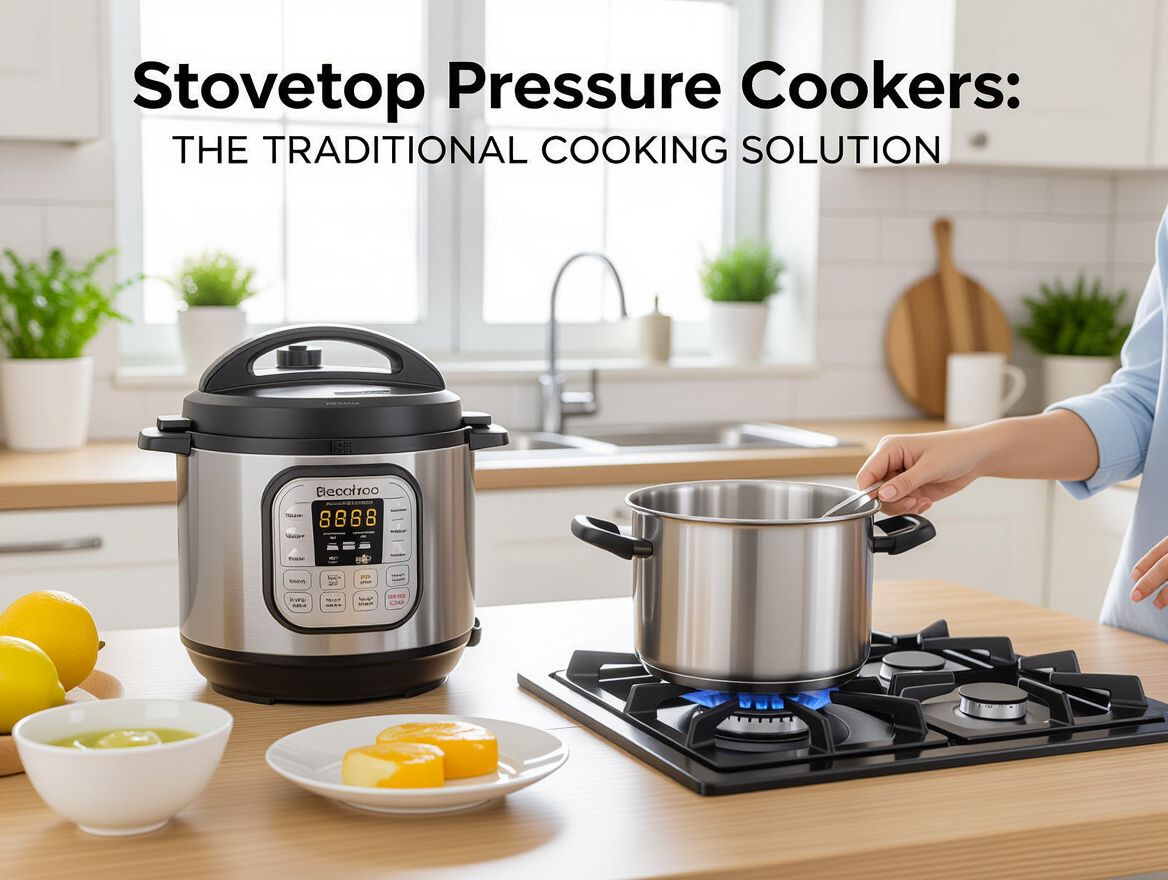
Stovetop Pressure Cookers: The Traditional Cooking Solution
Understanding Stovetop Pressure Cookers
Stovetop pressure cookers are traditional kitchen appliances designed to cook food quickly by creating a sealed environment that traps steam. This method not only accelerates cooking times but also enhances flavor and tenderness in dishes. Historically, pressure cooking dates back to the 17th century, with the first commercial model introduced in the 1930s. Over the decades, these cookers have evolved significantly, integrating safety features and improved materials to meet modern cooking needs.
In recent years, there has been a resurgence in the popularity of stovetop pressure cookers among home cooks and kitchen enthusiasts. Many appreciate their ability to prepare meals faster than conventional methods, making them ideal for busy lifestyles. Additionally, stovetop models often offer better temperature control and are typically lighter and more durable than electric counterparts.
When considering a stovetop pressure cooker, it's essential to evaluate your cooking habits, kitchen space, and the types of meals you prefer. Understanding the advantages and potential trade-offs can help you make an informed decision that aligns with your culinary goals.
Advantages of Using Stovetop Pressure Cookers
Stovetop pressure cookers are a valuable addition to any kitchen, offering a variety of benefits that enhance cooking efficiency. Understanding these advantages can help home cooks and kitchen enthusiasts make informed decisions when considering this traditional cooking solution.
Speed and Efficiency in Cooking
One of the most significant advantages of stovetop pressure cookers is their ability to cook meals quickly. They significantly reduce cooking times compared to conventional methods, allowing you to prepare tender meats and hearty stews in a fraction of the time. This efficiency is particularly beneficial for busy cooks or those looking to prepare meals in advance.
Flavor Enhancement and Nutrient Retention
Stovetop pressure cookers excel at enhancing flavors while retaining nutrients in food. The sealed environment allows for a higher concentration of flavors, making dishes more delicious. Additionally, the shorter cooking times help preserve vitamins and minerals that can be lost through prolonged cooking methods, making them a healthier option for meal preparation.
Versatility for Various Recipes and Ingredients
These cookers are incredibly versatile and can handle a wide range of recipes, from soups and stews to grains and legumes. They are suitable for various ingredients and cooking styles, allowing you to explore new culinary creations. Whether you are pressure-cooking beans, steaming vegetables, or braising meats, a stovetop pressure cooker can adapt to your cooking needs.
Considerations for Potential Buyers
While stovetop pressure cookers offer numerous advantages, potential buyers should also consider some trade-offs. They require a bit more attention during cooking compared to electric models, as they rely on manual heat adjustments. Additionally, some users may find them less convenient for multitasking, as they cannot be left unattended while cooking. Understanding these nuances can help you decide if a stovetop pressure cooker fits your cooking style and needs.
Key Buying Criteria for Stovetop Pressure Cookers
When selecting a stovetop pressure cooker, several essential factors can influence your decision. Understanding these criteria will help ensure that you choose a model that meets your cooking needs and preferences.
Material and Construction Quality
- Durability: Look for cookers made from high-quality stainless steel or aluminum, as these materials offer excellent heat conduction and resistance to corrosion.
- Weight: Heavier cookers often indicate better construction, which can enhance stability during use and improve heat retention.
- Finish: A non-reactive interior is crucial, especially for acidic foods. Ensure the surface is easy to clean and maintain.
Size and Capacity Considerations
- Cooking Volume: Consider your typical meal size. Models range from small (2-4 quarts) for single servings to larger (6-10 quarts) for family meals or batch cooking.
- Storage Space: Check your kitchen storage. Ensure the cooker fits comfortably in your cabinets or on your stovetop without taking up excessive space.
- Compatibility with Heat Sources: Verify that the cooker is compatible with your heat source, whether gas, electric, or induction.
Safety Features and Ease of Use
- Safety Mechanisms: Look for features like pressure indicators, safety locks, and steam release valves. These enhance user safety and prevent accidents.
- Ease of Operation: Choose a model with intuitive controls and clear instructions. Models with a straightforward locking mechanism can simplify the cooking process.
- Maintenance: Consider how easy it is to clean and maintain the cooker. Removable parts and dishwasher-safe components can save you time and effort.
By evaluating these criteria, you can make an informed choice about which stovetop pressure cooker best fits your kitchen and cooking style. This thoughtful approach will enhance your cooking experience and help you enjoy the benefits of pressure cooking.
Trade-Offs and Considerations
When evaluating stovetop pressure cookers, it's crucial to consider the potential downsides and trade-offs that come with this traditional cooking method. While these cookers offer numerous benefits, they also present challenges that could affect your cooking experience.
Learning Curve for New Users
Stovetop pressure cookers can be intimidating for beginners. Unlike electric models, which often have preset functions, stovetop versions require users to manually adjust heat levels and monitor cooking times. This learning curve can lead to initial mistakes, such as overcooking or undercooking food, until users become familiar with the appliance.
Maintenance and Cleaning Challenges
Maintaining a stovetop pressure cooker requires diligence. After each use, it’s essential to clean the lid, gasket, and safety valves to ensure proper operation. Food particles can become trapped in these areas, leading to potential sealing issues or even steam leaks if not addressed. Regular inspections and maintenance are necessary to keep the cooker functioning optimally.
Comparison with Electric Pressure Cookers
While stovetop pressure cookers excel in terms of cooking speed and temperature control, they may not be as convenient as electric models. Electric pressure cookers often come with programmable settings that allow for hands-off cooking, making them more suitable for busy lifestyles. Additionally, electric models typically include safety features that automatically adjust pressure and temperature, reducing the risk of user error.
Summary of Trade-Offs
- Learning Curve: Requires time to master heat adjustments and cooking times.
- Maintenance: Needs regular cleaning and inspections to avoid issues.
- Convenience: Less hands-off compared to electric pressure cookers.
By weighing these trade-offs against your cooking preferences and lifestyle, you can better determine if a stovetop pressure cooker is the right choice for your kitchen. Understanding these considerations will empower you to make a more informed decision that aligns with your culinary needs.
Common Buyer Questions
When exploring stovetop pressure cookers, potential buyers often have specific questions that can significantly influence their purchasing decisions. Here are some common inquiries:
What are the main advantages of stovetop over electric pressure cookers?
Stovetop pressure cookers offer several benefits compared to electric models:
- Faster Cooking Times: Stovetop cookers generally reach higher pressures, which can lead to quicker cooking times.
- Better Temperature Control: They allow for more precise heat adjustments, enabling home cooks to manage cooking processes more effectively.
- Durability: Typically made of robust materials, stovetop models can last longer and withstand more wear and tear.
- Versatility: Stovetop pressure cookers can be used on any heat source, including gas, electric, and induction stoves, making them more versatile in various kitchen setups.
How do I maintain my stovetop pressure cooker?
Proper maintenance is crucial for ensuring the longevity and safety of your stovetop pressure cooker. Here are some key maintenance tips:
- Regular Cleaning: After each use, clean the cooker and its components, especially the lid and sealing rings, to prevent food residue buildup.
- Inspect Seals and Gaskets: Check the sealing ring for wear and tear. Replace it if it appears damaged or worn to maintain proper pressure.
- Avoid Overfilling: Follow the manufacturer's guidelines on maximum fill levels to prevent food from blocking the vent, which can lead to pressure issues.
- Store Properly: Keep the cooker in a dry place and avoid stacking heavy items on top of it to prevent damage.
What are common issues that arise with stovetop pressure cookers?
While stovetop pressure cookers are generally reliable, they can encounter some common problems:
- Steam Leaks: If steam is escaping, it may indicate a damaged sealing ring or a misaligned lid. This can prevent the cooker from reaching the necessary pressure.
- Difficulty Building Pressure: This may result from improper heat settings, overfilling, or blockages in the vent.
- Overheating: Using too high a heat setting can cause the cooker to overheat, potentially damaging the cooker or the food inside.
Understanding these aspects can help you make a more informed decision about purchasing a stovetop pressure cooker, ensuring it fits your cooking style and meets your culinary needs.
Making the Right Choice
As you consider investing in a stovetop pressure cooker, it’s important to weigh both the benefits and considerations highlighted throughout this article. Stovetop pressure cookers provide remarkable speed and efficiency, enhance flavors, and retain nutrients, making them an appealing option for home cooks. However, they also come with specific trade-offs that you should keep in mind.
Key Considerations:
- Cooking Style: Assess how often you prepare meals that could benefit from pressure cooking. If you frequently cook tough cuts of meat or grains, a stovetop model may be particularly advantageous.
- Kitchen Space: Ensure you have adequate storage for a stovetop pressure cooker, as they can be bulkier than other cooking tools.
- Maintenance Needs: Stovetop pressure cookers require careful handling and regular maintenance to prevent common issues like overheating or sealing problems. Familiarize yourself with proper usage to maximize safety and efficiency.
Final Thoughts:
Ultimately, the value of a stovetop pressure cooker lies in its ability to streamline your cooking process while delivering delicious results. By evaluating your personal cooking needs and preferences, you can make an informed decision that enhances your culinary experience. Embrace the potential of stovetop pressure cookers to transform your kitchen routine, knowing that with the right approach, they can be a reliable and efficient cooking solution.
More in Pressure Cookers
View All