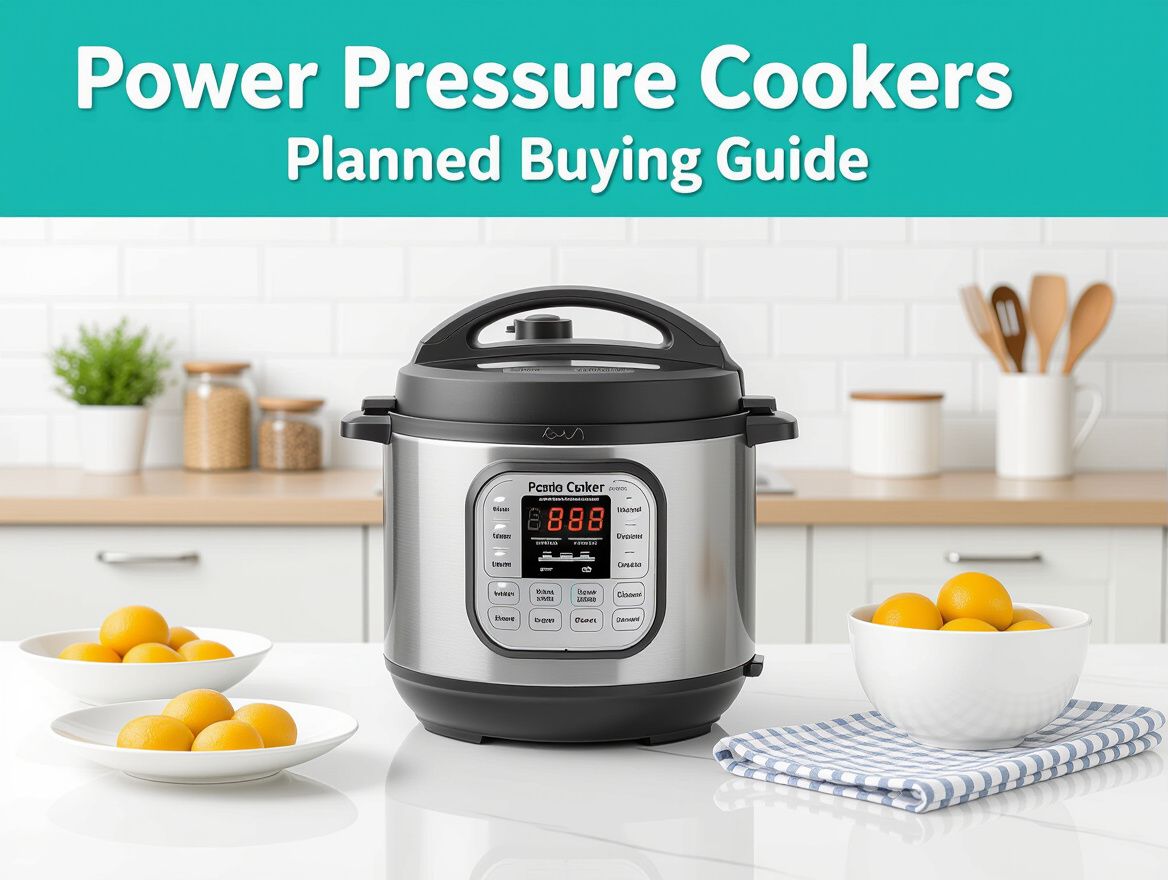
Power Pressure Cookers: Planned Buying Guide
Introduction to Power Pressure Cookers
Power pressure cookers are versatile kitchen appliances designed to cook food quickly using steam and high pressure. They have gained popularity due to their ability to significantly reduce cooking times compared to traditional methods, making them ideal for busy households. With features that often allow for multi-functionality—like sautéing, slow cooking, and even yogurt making—power pressure cookers can replace several kitchen devices, saving both space and money.
Benefits of Using Power Pressure Cookers
- Time Efficiency: They can cook meals in a fraction of the time, which is particularly beneficial for busy individuals or families.
- Nutrient Retention: The quick cooking process helps in retaining vitamins and minerals in food, leading to healthier meals.
- Energy Savings: Power pressure cookers generally consume less energy than conventional cooking methods due to shorter cooking times.
- Versatility: Many models come with various settings that allow for different cooking styles, from steaming to slow cooking, making them adaptable for various recipes.
As you explore the options for power pressure cookers, consider your cooking habits, kitchen space, and the types of meals you typically prepare. Understanding these factors will help you make an informed decision that best fits your culinary needs.
Key Buying Criteria for Power Pressure Cookers
When selecting a power pressure cooker, it’s essential to evaluate several key criteria to ensure you choose a model that meets your cooking needs and preferences. Here’s a checklist to guide your decision:
-
Size and Capacity Options:
- 6-Quart: Ideal for small families or meal prep for a few days.
- 8-Quart: Better suited for larger families or batch cooking, allowing you to prepare bigger meals or cook multiple dishes at once.
-
Material Considerations:
- Stainless Steel: Durable and resistant to scratches and dents; often preferred for its longevity and ease of cleaning.
- Aluminum: Generally lighter and more affordable, but may not last as long and can be more prone to warping over time.
-
Multi-functionality:
- Look for models that offer various cooking functions such as pressure cooking, slow cooking, sautéing, and even yogurt making. This versatility can save space and money by reducing the need for multiple appliances.
-
Ease of Use and Maintenance:
- Consider user-friendly interfaces with clear controls and settings. A model with a simple design can make cooking less intimidating for beginners.
- Check for removable and dishwasher-safe parts for easier cleaning and maintenance.
By assessing these criteria, you can better navigate the options available and select a power pressure cooker that aligns with your cooking style and household needs.
Potential Limitations of Power Pressure Cookers
While power pressure cookers offer many advantages, potential buyers should also consider several limitations that may impact their cooking experience. Understanding these downsides can help you make a more informed decision.
-
Pressure Release Valve Issues: A common complaint among users is related to the pressure release valve. Some models experience malfunctions where the valve may not seal properly, leading to steam leaks or uneven cooking. This can result in food not cooking thoroughly or taking longer than expected.
-
Durability Concerns: Compared to traditional stovetop pressure cookers, electric models may have durability issues. Users have reported that certain brands can wear out or break down more quickly, particularly if they are used frequently. This is often attributed to the complexity of the electronic components compared to simpler, mechanical designs.
-
Limited Cooking Styles: While power pressure cookers are versatile, they may not accommodate all cooking styles or food types. For example, some users find that certain delicate foods, like fish or vegetables, can become overcooked or mushy under high pressure. Additionally, if you enjoy slow cooking or sautéing as part of your meal prep, you may find that not all models perform equally well in these areas.
-
Space and Size Considerations: Power pressure cookers can be bulky, requiring ample counter space for storage and use. If kitchen space is a concern, it's essential to consider the size and capacity of the model you are considering, as larger cookers may not fit comfortably in smaller kitchens.
By keeping these limitations in mind, you can better assess whether a power pressure cooker aligns with your cooking habits and expectations, ensuring a more satisfactory purchase decision.
User Experiences and Feedback
When considering a power pressure cooker, user reviews provide valuable insights into functionality and performance. Many consumers appreciate the ease of use that models like the Power Pressure Cooker XL offer. Key positive feedback highlights include:
- Intuitive Controls: Users often mention that simple keypads make it straightforward to operate, reducing the learning curve for new users.
- Versatility: Many models are praised for their multi-use capabilities, allowing them to sauté, steam, and slow cook, which can be a significant advantage for those looking to simplify meal preparation.
However, there are notable concerns regarding durability and performance:
- Durability Issues: Some users report problems with the pressure release valve and overall build quality, suggesting that longevity may not be guaranteed.
- Performance Variability: While some users have had great cooking experiences, others have encountered issues like uneven cooking or difficulty achieving proper pressure.
Comparing experiences across different brands reveals a spectrum of satisfaction. Many users express that while certain brands excel in specific functions, they may lag in other areas, such as customer support or replacement parts availability. This variability emphasizes the importance of aligning your choice with personal cooking needs and preferences.
Before making a purchase, weigh these user experiences against your specific requirements to ensure the power pressure cooker you choose will meet your expectations effectively.
Is a Power Pressure Cooker Right for You?
When deciding whether a power pressure cooker is suitable for your home cooking needs, it's essential to assess your cooking habits and meal preparation preferences. Here are some key considerations:
-
Cooking Frequency: If you frequently prepare meals for yourself or your family, a power pressure cooker can significantly reduce cooking time, making it a valuable addition to your kitchen. Consider how often you cook and whether you typically prepare large meals or quick weeknight dinners.
-
Meal Types: Think about the types of meals you enjoy making. Power pressure cookers excel at cooking stews, soups, and grains quickly. If you often prepare these dishes, a pressure cooker could streamline your cooking process.
-
Kitchen Space: Evaluate your kitchen layout and storage capabilities. While power pressure cookers are generally compact, they still require adequate counter space for use and storage. Ensure you have a designated area for it, especially if you plan to use it frequently.
Understanding the Risks
While power pressure cookers offer many benefits, there are risks to consider:
-
Pressure Release: Improper handling during pressure release can lead to burns or spills. Familiarizing yourself with the specific safety features and instructions of the model you choose is crucial.
-
Durability Concerns: Some models may have durability issues, particularly with components like the pressure release valve. Research user reviews to identify any common concerns related to the models you’re considering.
Choosing the Right Model
To select the best power pressure cooker for your needs, consider the following criteria:
-
Size and Capacity: Models typically range from 6-quart to 8-quart capacities. A 6-quart model is suitable for smaller families, while an 8-quart model is ideal for larger families or batch cooking.
-
Functionality: Evaluate the additional features offered, such as sautéing, slow cooking, or yogurt-making capabilities. A multifunctional model can provide more versatility in your cooking.
-
Material: Stainless steel models are often more durable and easier to clean, while aluminum options may be lighter and more affordable but could have a shorter lifespan.
By carefully assessing your cooking habits, understanding the risks, and evaluating models based on your preferences, you can make an informed decision about whether a power pressure cooker is the right fit for your kitchen.
Common Questions About Power Pressure Cookers
When considering the purchase of a power pressure cooker, it's common to have questions about their functionality and suitability for your cooking needs. Here are some frequently asked questions that can guide your decision-making process.
What problems do power pressure cookers solve?
Power pressure cookers address several cooking challenges:
- Time Constraints: They significantly reduce cooking times, making it easier to prepare meals quickly.
- Energy Efficiency: Their rapid cooking capabilities mean less energy consumption compared to traditional cooking methods.
- Meal Versatility: They can handle a wide range of cooking tasks, from steaming vegetables to making stews and even baking, which simplifies meal preparation.
What are the key features that differentiate models?
Different models of power pressure cookers come equipped with various features that can influence your choice:
- Size and Capacity: Common sizes include 6-quart and 8-quart options, catering to different family sizes and cooking volume needs.
- Material: Stainless steel models offer durability and ease of cleaning, while aluminum models are lighter and often more affordable but may not be as durable.
- Cooking Functions: Many models provide multi-functionality, allowing for pressure cooking, slow cooking, sautéing, and more. This can replace multiple kitchen appliances.
What are the common concerns when using power pressure cookers?
While power pressure cookers are generally safe and efficient, users often express concerns about:
- Safety Features: Ensure the model has reliable safety mechanisms, such as pressure release valves and locking lids, to prevent accidents during use.
- Learning Curve: Some users may find the various settings and features overwhelming, which can lead to improper use or underutilization of the appliance.
- Durability: Reports of issues like valve malfunctions or wear over time can be a concern, particularly with lower-priced models.
By addressing these common questions and concerns, you can better assess which power pressure cooker aligns with your cooking preferences and lifestyle.
Conclusion: Making an Informed Choice
As you approach the decision to purchase a power pressure cooker, it's crucial to reflect on the key buying criteria discussed throughout this guide. Understanding the size, material, and multifunctionality of different models will help you align your choice with your unique cooking needs.
Key Points to Consider:
- Assess Your Cooking Habits: Consider how often you cook and the types of meals you prepare. If you frequently host gatherings, a larger capacity cooker may be beneficial.
- Material Trade-offs: Weigh the benefits of stainless steel against aluminum. While stainless steel offers durability, aluminum may be more budget-friendly but less long-lasting.
- Functionality vs. Simplicity: Determine if you prefer a model with multiple cooking functions or one that focuses solely on pressure cooking. More features can mean more complexity, which may not be necessary for every user.
Encouragement for Informed Decision-Making:
Before finalizing your purchase, take the time to evaluate the potential risks associated with power pressure cookers, such as safety concerns or maintenance needs. By reflecting on your specific requirements and the trade-offs involved, you can make a well-informed choice that enhances your cooking experience while fitting seamlessly into your lifestyle.
More in Pressure Cookers
View All