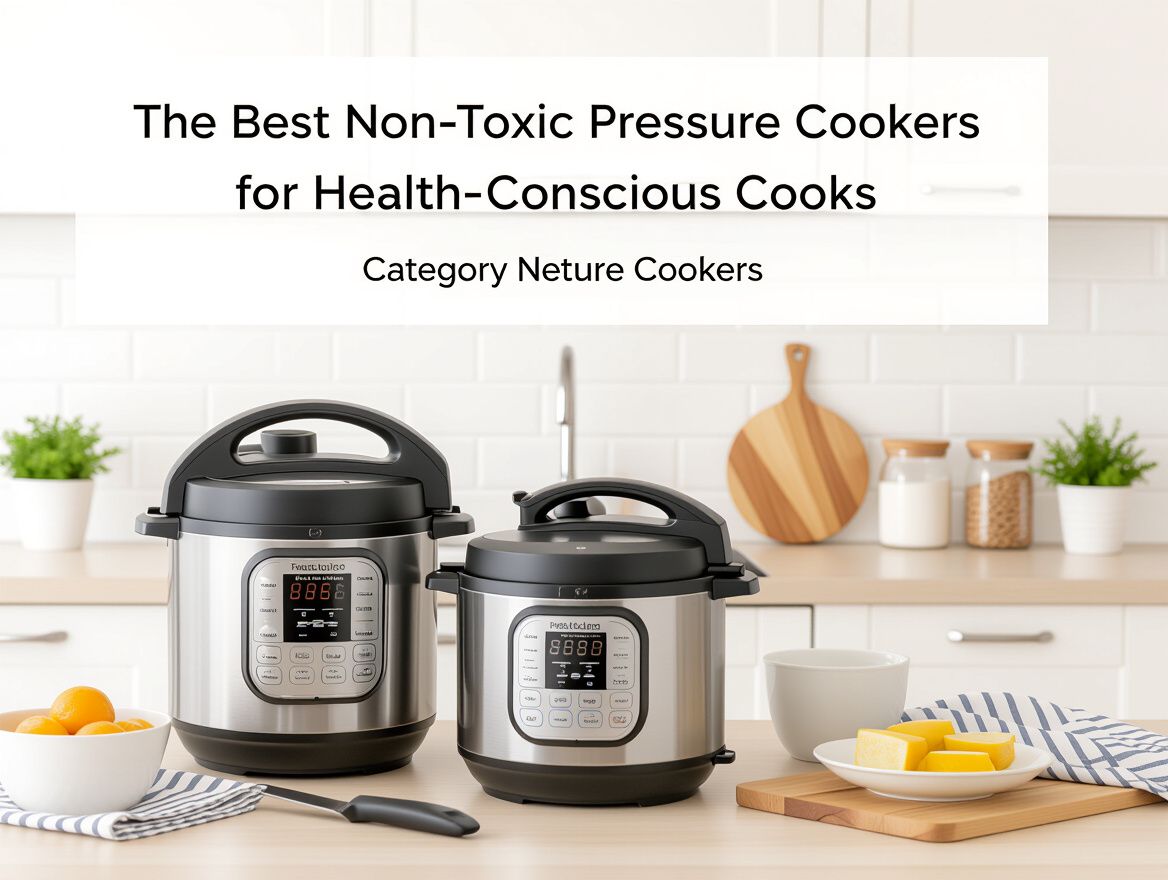
The Best Non-Toxic Pressure Cookers for Health-Conscious Cooks
Understanding Non-Toxic Pressure Cookers
Non-toxic pressure cookers are designed with health-conscious consumers in mind, emphasizing safety and the avoidance of harmful materials in cooking. These appliances typically use materials such as stainless steel or PFAS-free ceramics, which are less likely to leach toxins into food compared to traditional non-stick coatings.
Importance of Material Safety
- Health Concerns: Many conventional pressure cookers feature non-stick coatings that can contain chemicals like PFAS, which have been linked to various health issues. Opting for non-toxic alternatives minimizes exposure to these harmful substances.
- Durability and Reactivity: Stainless steel, particularly 18/10 grade, is durable and non-reactive, making it an ideal choice for cooking acidic foods without altering their flavor or nutritional content.
Overview of Health Benefits
Using non-toxic pressure cookers can lead to healthier meal preparation by preserving nutrients and reducing the risk of chemical contamination. These cookers allow for quick cooking methods that retain the integrity of whole foods, making them suitable for a variety of nutritious dishes.
When considering a non-toxic pressure cooker, it's essential to evaluate the materials used, the safety features included, and how they align with your cooking needs. This will ensure you choose an appliance that supports both your health and culinary goals.
Key Features to Look for in Non-Toxic Pressure Cookers
When selecting a non-toxic pressure cooker, it is essential to prioritize features that ensure both safety and functionality. Here’s a checklist to guide your decision-making:
Materials to Prioritize
- Stainless Steel: Look for high-quality stainless steel, such as 18/10 grade, which is durable, rust-resistant, and non-reactive with acidic foods.
- PFAS-Free Ceramics: If opting for ceramic-coated models, ensure they are free from harmful chemicals like PFAS, PFOA, and PTFE.
- Avoid Aluminum: Basic aluminum can leach into food, especially acidic dishes. If aluminum is used, it should be anodized for safety.
Safety Features
- Secure Lids: Ensure that the lid locks securely to prevent accidental openings during cooking.
- Reliable Pressure Release Systems: Look for models with both automatic and manual pressure release options for safe and controlled venting.
- Clear Fill Lines: Models that include clear fill lines help prevent overfilling, which can lead to safety hazards.
Avoiding Harmful Coatings and Materials
- No Non-Stick Coatings: Avoid pressure cookers with non-stick coatings that may contain harmful chemicals. Stick to solid metal surfaces for safe cooking.
- Check for Recalls: Before purchasing, verify that the model has not been subject to recalls, ensuring you are choosing a safe option.
By focusing on these criteria, you can confidently select a non-toxic pressure cooker that meets your health-conscious cooking needs while minimizing potential risks.
Material Quality: What Makes a Pressure Cooker Non-Toxic?
When selecting a non-toxic pressure cooker, understanding the materials used can significantly impact both health and cooking performance. Here’s a breakdown of the key materials and their safety profiles.
Stainless Steel vs. Aluminum
-
Stainless Steel: Most non-toxic pressure cookers are crafted from stainless steel, particularly 18/10 stainless steel. This material is durable, rust-resistant, and non-reactive, making it an excellent choice for cooking acidic foods without the risk of leaching harmful substances.
-
Aluminum: While some pressure cookers use anodized aluminum, which is considered safer than untreated aluminum, basic aluminum can leach into food, especially when cooking acidic dishes. Therefore, it's advisable to avoid pressure cookers made from standard aluminum.
Risks Associated with Non-Stick Coatings
- Avoid Non-Stick Coatings: Many traditional non-stick coatings, such as Teflon, contain harmful chemicals like PFAS, which are linked to various health risks. Non-toxic pressure cookers should be free from these coatings. Instead, opt for models that use stainless steel or ceramic coatings, which do not pose health risks and are easier to clean.
Long-Term Durability and Reactivity of Materials
-
Durability: Stainless steel is highly durable and can withstand high temperatures without warping or degrading over time. This longevity is crucial for health-conscious consumers who want to invest in a reliable cooking appliance.
-
Reactivity: Non-reactive materials like stainless steel ensure that the flavors and nutrients of your food are preserved. In contrast, reactive materials like untreated aluminum may alter the taste and safety of your meals.
Conclusion
When evaluating non-toxic pressure cookers, prioritize those made from high-quality stainless steel or safe ceramic materials. Avoid models with non-stick coatings and basic aluminum to ensure your cooking remains both safe and healthy. Understanding these material characteristics will help you make an informed decision that aligns with your health-conscious cooking needs.
Potential Risks of Non-Toxic Pressure Cookers
While non-toxic pressure cookers are designed with health-conscious consumers in mind, there are several potential risks and limitations to consider before making a purchase. Understanding these factors can help you make an informed decision that aligns with your cooking needs.
-
Common Misconceptions: Many consumers believe that all non-toxic materials are inherently safe. However, it's essential to verify claims such as "PFAS-free," "PTFE-free," and "PFOA-free." Not all manufacturers provide transparent information about their materials, which can lead to confusion.
-
Health Risks from Unvetted Materials: If the materials used in a pressure cooker are not properly vetted, there may still be risks involved. For example, some aluminum cookers can leach into food, particularly when cooking acidic ingredients. Always check for high-quality materials like stainless steel or ceramic coatings, which are generally safer.
-
Trade-offs in Performance and Price: Non-toxic pressure cookers may come at a higher price point compared to traditional models. While they often provide better health benefits, you may need to compromise on features or performance. For instance, some non-toxic models may have slower cooking times or less advanced pressure release systems, which can affect convenience and cooking efficiency.
By weighing these risks and limitations, you can better assess which non-toxic pressure cooker fits your lifestyle and cooking habits.
Frequently Asked Questions About Non-Toxic Pressure Cookers
As health-conscious consumers navigate the kitchen appliance market, non-toxic pressure cookers often raise important questions. Here are some common inquiries and insights to help guide your decision-making process.
What buyer problem do non-toxic pressure cookers solve?
Non-toxic pressure cookers address significant health concerns associated with traditional cooking appliances, particularly those that use harmful non-stick coatings. By choosing non-toxic options, you can reduce your exposure to chemicals like PFAS and PFOA, which have been linked to various health issues. These cookers also prioritize materials that do not react with food, ensuring that your meals remain free from unwanted toxins.
How do I identify a truly non-toxic pressure cooker?
To identify a genuine non-toxic pressure cooker, consider the following criteria:
- Material Composition: Look for cookers made from high-quality stainless steel or PFAS-free ceramic coatings. Avoid those with conventional non-stick surfaces or aluminum, unless it is anodized.
- Safety Certifications: Check for certifications or labels that indicate the absence of harmful chemicals. Terms like "PFAS-free," "PFOA-free," and "PTFE-free" are essential.
- Brand Reputation: Research brands known for their commitment to health and safety in their products. User reviews and industry ratings can also provide insights into a brand's reliability.
Are there specific brands known for safety?
While many brands offer non-toxic pressure cookers, it’s essential to conduct thorough research. Some brands have built a reputation for prioritizing health and safety in their products. Look for those that emphasize transparent material sourcing and provide clear information about their safety features. Reading customer testimonials and expert reviews can also help you gauge which brands consistently deliver non-toxic options.
By addressing these common questions, you can make a more informed decision when selecting a non-toxic pressure cooker that aligns with your health goals and cooking needs.
Making an Informed Decision on Non-Toxic Pressure Cookers
When choosing a non-toxic pressure cooker, it's vital to consider both the health benefits and the safety features that these appliances offer. By prioritizing material safety and functionality, you can make a choice that aligns with your health-conscious cooking goals.
Essential Features and Safety Considerations
- Material Quality: Focus on high-grade stainless steel or PFAS-free ceramics to minimize the risk of chemical leaching into your food. Avoid traditional non-stick coatings that may contain harmful substances.
- Safety Mechanisms: Look for features such as secure locking lids and reliable pressure release systems. These ensure safe operation and help prevent accidents during cooking.
- Ease of Use: Consider user-friendly designs that simplify the cooking process, especially if you are new to pressure cooking.
Encouragement to Prioritize Health
Investing in a non-toxic pressure cooker is not just about convenience; it’s a step towards healthier cooking. By minimizing exposure to harmful chemicals and retaining nutrients in your meals, you support your overall well-being.
Final Thoughts on Informed Buying
Making an informed purchase is essential when selecting a non-toxic pressure cooker. Evaluate your specific cooking needs, material preferences, and safety features to choose an appliance that will enhance your kitchen experience while prioritizing your health. Taking the time to research and understand your options will lead to a more satisfying and safe cooking journey.
More in Pressure Cookers
View All