Understanding Exploding Pressure Cookers: Safety Tips
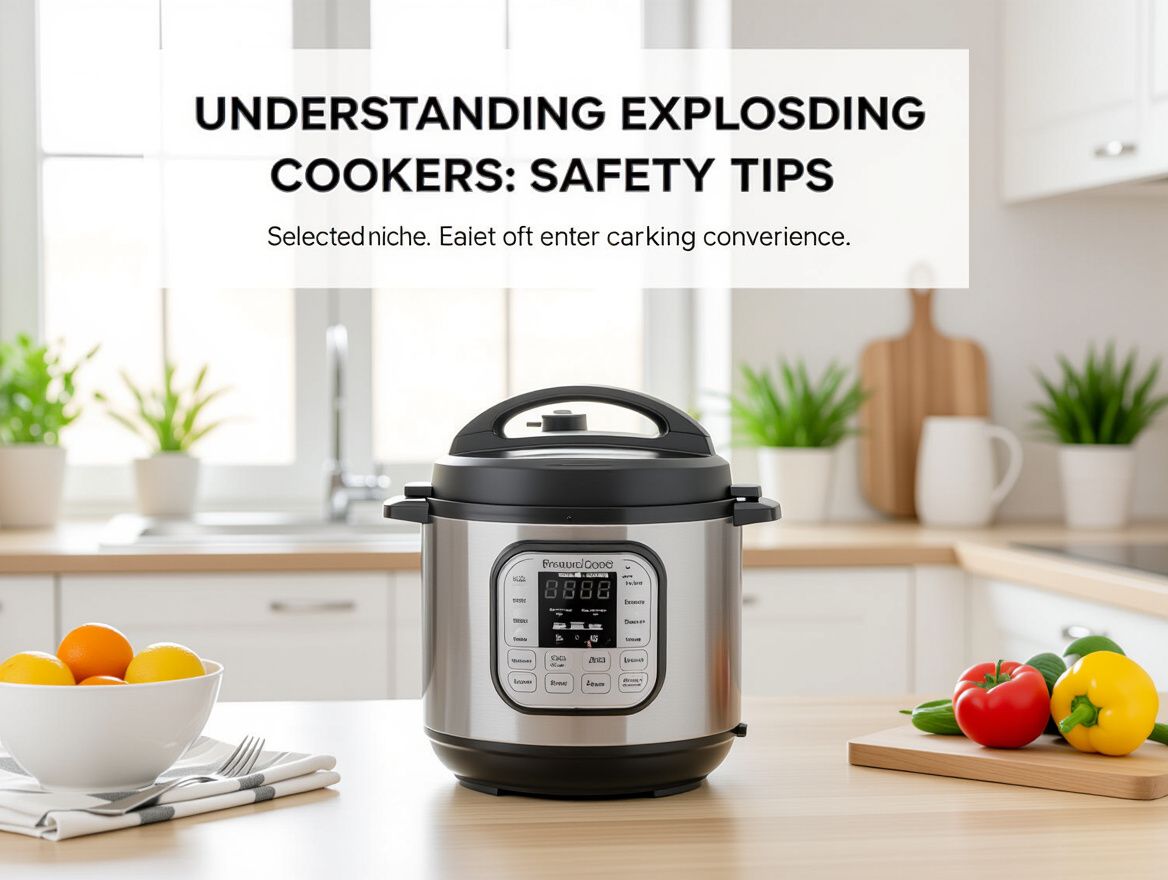
Introduction to Pressure Cookers and Explosion Risks
Pressure cookers are kitchen appliances designed to cook food quickly under high pressure, which raises the boiling point of water and allows for faster cooking times. However, while they offer convenience, they also come with inherent risks, including the potential for explosions if not used correctly.
Common causes of pressure cooker explosions include:
- Faulty Seals and Gaskets: If the lid seal is worn or improperly positioned, it can lead to a dangerous build-up of pressure.
- Malfunctioning Pressure Release Mechanisms: A blocked or faulty pressure release valve can prevent steam from escaping, increasing the risk of an explosion.
- Improper Assembly: Incorrectly assembling the pressure cooker can prevent it from sealing properly, leading to leaks or bursts during operation.
Understanding these risks is crucial for consumers considering a pressure cooker purchase. It’s important to evaluate safety features, such as:
- Multiple Safety Valves: Look for models equipped with several pressure release options to mitigate the risk of pressure build-up.
- Secure Locking Mechanisms: Ensure that the lid locks securely to prevent accidental openings during cooking.
- Regular Maintenance: Familiarize yourself with maintenance practices, such as checking gaskets and seals regularly, to ensure safe operation.
By being aware of these factors, consumers can make informed decisions and select pressure cookers that prioritize safety and reliability.
Essential Safety Features to Look For
When considering the purchase of a pressure cooker, understanding its safety features is crucial to preventing potential hazards, including explosions. Here are key safety features to prioritize:
-
Multiple Safety Valves: Ensure the cooker is equipped with several safety valves. This redundancy helps prevent excessive pressure build-up, reducing the risk of explosion.
-
Secure Locking Mechanisms: Look for a pressure cooker with a robust locking system that ensures the lid remains securely in place during cooking. A faulty lid can lead to dangerous steam release.
-
Pressure Release Systems: A reliable pressure release system is essential. Cookers should have a clear and effective mechanism for releasing steam safely and quickly to prevent pressure overload.
-
Regular Maintenance Checks: It's vital to commit to regular maintenance of your pressure cooker. Check gaskets and seals frequently for wear and tear, as these components are critical for maintaining a proper seal and preventing leaks or explosions.
By focusing on these safety features, you can significantly reduce the risks associated with pressure cooking and enhance your overall cooking experience.
Analyzing Risks: What Can Go Wrong?
When considering the purchase of a pressure cooker, it's essential to understand the potential risks associated with their use. While pressure cookers are generally safe when used correctly, several factors can lead to dangerous situations, including explosions. Here are some critical areas to evaluate:
-
Faulty Gaskets and Lid Seals: The gasket is a crucial component that ensures a tight seal. If it is damaged or worn out, it can lead to steam escaping, which may prevent the cooker from reaching the necessary pressure. This malfunction can result in food not cooking properly or, in extreme cases, create a risk of explosion due to pressure build-up.
-
Improper Assembly and Maintenance: Users must follow the manufacturer's instructions carefully during assembly. Errors can occur in the alignment of the lid or locking mechanism, which may prevent the cooker from sealing properly. Regular maintenance checks are also vital; neglecting to clean and inspect components can lead to malfunctions.
-
Overfilling and Misuse: Filling a pressure cooker beyond the recommended capacity can obstruct the pressure release mechanism, increasing the risk of an explosion. Additionally, using the cooker for purposes other than its intended use—like frying—can lead to hazardous situations.
By understanding these risks, consumers can make informed decisions when purchasing a pressure cooker. Prioritizing models with robust safety features, such as multiple safety valves and reliable locking systems, can significantly mitigate these risks. Regular maintenance and adherence to operating guidelines are also crucial for safe usage.
Key Buying Criteria for Safe Pressure Cookers
When purchasing a pressure cooker, safety should be your top priority. Here are essential criteria to consider that can help you evaluate the safety features and potential risks associated with exploding pressure cookers:
-
Assessing Brand Reputation: Choose brands known for their commitment to safety and quality. Research the manufacturer's history regarding product recalls and safety incidents. Established brands often have a track record of reliability and customer satisfaction.
-
Reading User Reviews on Safety: Look for reviews that specifically mention safety features and user experiences. Pay attention to comments about the cooker’s ability to maintain pressure, the effectiveness of safety mechanisms, and any reported incidents of malfunction. This can provide insight into real-world performance and reliability.
-
Understanding Warranty and Customer Support: A robust warranty can be an indicator of a manufacturer’s confidence in their product. Check the warranty length and what it covers. Reliable customer support can also be crucial in addressing any safety concerns or issues that may arise during the use of the pressure cooker.
By focusing on these criteria, you can make a more informed decision when selecting a pressure cooker, ensuring that you prioritize safety and minimize risks associated with potential explosions. Remember, the right pressure cooker should not only meet your cooking needs but also provide peace of mind regarding its operation.
Trade-offs and Considerations When Choosing a Pressure Cooker
When selecting a pressure cooker, it's essential to weigh the trade-offs between different types and features. The two primary categories are electric and stovetop models, each with distinct advantages and disadvantages.
Electric vs. Stovetop Models
- Ease of Use: Electric pressure cookers often come with programmable settings, making them user-friendly, especially for beginners. They also automatically regulate temperature and pressure, reducing the risk of user error.
- Cooking Speed: Stovetop models generally reach higher pressures and cook food faster than electric models, which may be advantageous for experienced cooks looking for efficiency.
- Versatility: Electric pressure cookers can often serve multiple functions (e.g., slow cooking, sautéing), while stovetop models are typically designed solely for pressure cooking.
Features vs. Cost
- Advanced Features: Many electric pressure cookers include features like timers, delay start, and various cooking modes. These can enhance the cooking experience but may come at a higher price point.
- Basic Models: If budget is a concern, stovetop pressure cookers usually offer a more straightforward design with fewer features, making them more affordable while still providing essential pressure cooking capabilities.
Ease of Use vs. Advanced Functionality
- User Experience: If you're new to pressure cooking, an electric model with intuitive controls and safety features may be preferable. These units often include built-in safety mechanisms that minimize the risk of explosions.
- Control Over Cooking: For those who prefer hands-on cooking, stovetop models provide better control over the cooking process, allowing for adjustments in heat and pressure as needed, which is crucial for achieving specific textures and flavors.
Risk Considerations
- Safety Features: Prioritize models with multiple safety valves and secure locking mechanisms. Regular maintenance, such as checking gaskets and seals, is essential to prevent accidents.
- User Error: Understand that improper assembly or use can lead to catastrophic failures. Familiarize yourself with the manufacturer's instructions and maintenance guidelines to mitigate risks.
By evaluating these trade-offs, consumers can make informed decisions that align with their cooking needs and safety priorities when choosing a pressure cooker.
Frequently Asked Questions About Pressure Cookers
Understanding the safety of pressure cookers is essential for potential buyers. Here are some common questions and their answers to help you navigate safety concerns effectively.
What should I do if my pressure cooker explodes?
If your pressure cooker explodes, prioritize safety first. Evacuate the area to avoid injury from hot steam or food. Turn off any heat source and allow the cooker to cool completely before attempting to assess the damage. It's advisable to document the incident and consult with the manufacturer or a legal expert if injuries occurred, as there may be grounds for a lawsuit regarding faulty equipment.
How can I ensure my pressure cooker is safe?
To maintain safety:
- Regularly Inspect Seals and Gaskets: Worn or damaged components can lead to dangerous pressure build-up. Replace them as needed.
- Follow Manufacturer Instructions: Always adhere to the assembly and usage guidelines provided by the manufacturer to prevent operational hazards.
- Utilize Safety Features: Choose models with multiple safety valves and reliable pressure release mechanisms to mitigate risks.
What are the signs of a faulty pressure cooker?
Be on the lookout for these indicators that your pressure cooker may be malfunctioning:
- Difficulty in Sealing: If the lid does not lock properly, it can lead to steam leaks and unsafe pressure levels.
- Unusual Noises or Smells: Any strange sounds or odors during operation could signal a malfunction.
- Visible Damage: Cracks, dents, or other physical damage to the cooker can compromise its integrity and safety.
By addressing these questions, consumers can make informed decisions regarding the purchase and use of pressure cookers, ultimately prioritizing their safety and that of their households.
Conclusion: Making an Informed Decision
When considering a pressure cooker, understanding the safety features is paramount. The potential risks associated with exploding pressure cookers can be mitigated by prioritizing safety in your selection process. Key features such as multiple safety valves, secure locking mechanisms, and effective pressure release systems are essential for ensuring safe operation.
Final thoughts on responsible usage emphasize the importance of adhering to manufacturer guidelines for assembly and maintenance. Regularly checking seals and gaskets can prevent malfunctions that might lead to dangerous situations.
As you evaluate your options, remember to prioritize safety above all else. By choosing a pressure cooker that meets stringent safety standards, you can enjoy the convenience of pressure cooking while minimizing risks. Always stay informed and cautious to ensure a safe cooking experience.
More in Pressure Cookers
View All