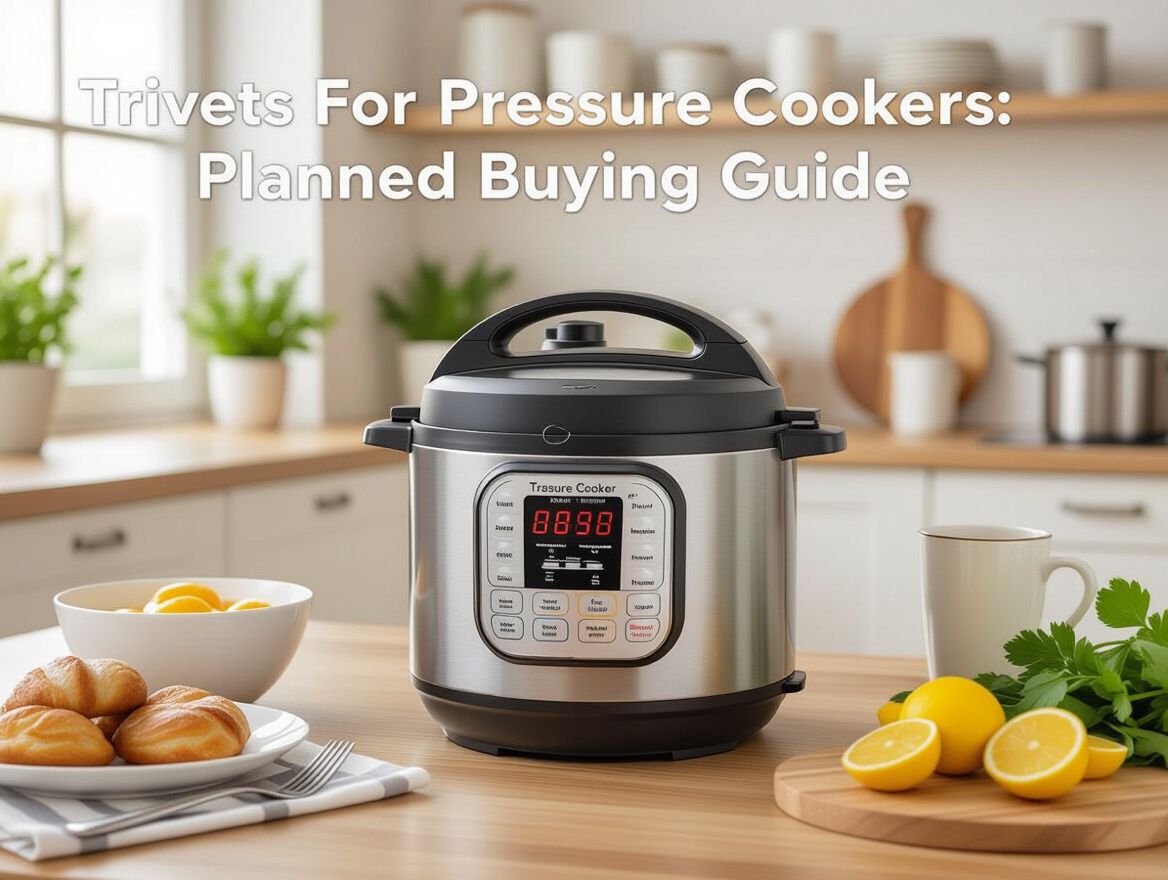
Trivets For Pressure Cookers: Planned Buying Guide
What Are Trivets and Why Are They Essential for Pressure Cookers?
Trivets are small kitchen tools designed to elevate food above the base of a pressure cooker, allowing for more versatile cooking methods such as steaming or pot-in-pot cooking. Typically made from materials like silicone or stainless steel, these accessories serve a critical function in pressure cooking by preventing direct contact between food and the pot’s bottom, which can lead to burning or uneven cooking.
The benefits of using a trivet in your pressure cooker include:
- Improved Cooking Results: By keeping food elevated, trivets promote even cooking and prevent sticking, enhancing the overall quality of your dishes.
- Versatility: Trivets can be used for a variety of cooking tasks, including steaming vegetables, holding jars for canning, or even as a makeshift rack for larger items like roasts.
- Easy Cleanup: Elevating food can help minimize mess and make cleaning easier, as less food residue will settle at the bottom of the pot.
When selecting a trivet for your pressure cooker, consider factors such as size compatibility, material durability, and whether it offers additional features like handles for easy removal. Understanding these elements will help you choose a trivet that enhances your pressure cooking experience.
Key Buying Criteria for Selecting Trivets
When choosing trivets for pressure cookers, understanding their essential features can significantly enhance your cooking experience. Here are the key criteria to consider:
-
Material Types: Trivets are commonly made from silicone or stainless steel.
- Silicone: Flexible, heat-resistant, and often dishwasher safe. Ideal for steaming and pot-in-pot cooking.
- Stainless Steel: More durable and stable, suitable for heavier dishes but may require careful handling to avoid scratching your pressure cooker.
-
Size Compatibility: Ensure the trivet fits your specific pressure cooker model. Measure the inner diameter of your pot to confirm that the trivet can sit securely without tipping.
-
Ease of Cleaning and Maintenance: Look for trivets that can be easily cleaned. Silicone trivets are generally dishwasher safe, while stainless steel may require hand washing to maintain their finish.
-
Durability and Heat Resistance: Consider the maximum temperature the trivet can withstand. High-quality silicone trivets can typically handle temperatures up to 450°F, while stainless steel trivets are generally more resilient to extreme heat.
By evaluating these criteria, you can select a trivet that not only complements your cooking style but also enhances your pressure cooking experience.
Understanding the Trade-offs of Different Trivet Types
When selecting trivets for pressure cookers, understanding the trade-offs between different materials and designs can significantly enhance your cooking experience. Each type of trivet offers unique advantages and disadvantages that cater to various cooking needs.
Sturdiness vs. Flexibility
- Sturdiness: Metal trivets, such as stainless steel, provide robust support, making them ideal for heavier dishes. They are less likely to warp under high heat and can withstand the pressure of dense foods.
- Flexibility: Silicone trivets are more flexible, allowing for easier placement and removal. They can accommodate a variety of pot sizes and shapes, but they may not support heavier items as effectively as metal options.
Multi-functionality vs. Simplicity
- Multi-functionality: Some trivets serve dual purposes, such as acting as a steamer or a pot-in-pot holder. These versatile options are great for home cooks who enjoy experimenting with different cooking methods.
- Simplicity: Basic trivets may lack additional features but are often easier to clean and store. They are suitable for users who primarily need a straightforward solution for elevating food above the pot's bottom.
Cost Considerations
- Budget-friendly options: Silicone trivets are generally more affordable, making them accessible for beginner cooks or those on a budget. They offer a good entry point into pressure cooking accessories.
- Investment in durability: While metal trivets may come at a higher price point, their longevity and sturdiness can make them a worthwhile investment for frequent users, reducing the need for replacements over time.
By weighing these trade-offs, you can choose a trivet that aligns with your cooking style, frequency of use, and budget, ultimately enhancing your pressure cooking experience.
Finding the Right Fit: Matching Trivets to Your Cooking Needs
Selecting the right trivet for your pressure cooker is essential to enhance your cooking experience. A trivet serves multiple purposes, primarily elevating food above the bottom of the pot, allowing for steam cooking, and preventing direct contact with the pot's surface. Here’s how to choose a trivet based on your cooking style and preferences:
Types of Food Prepared Using Trivets
- Vegetables: Trivets are ideal for steaming vegetables, as they allow water to circulate while keeping produce intact.
- Large Cuts of Meat: When cooking larger items like roasts or whole chickens, a sturdy trivet ensures even cooking without sticking.
- Pot-in-Pot Cooking: For dishes that require different cooking times, using a trivet can facilitate cooking multiple items simultaneously.
Cooking Methods That Benefit from Trivets
- Steaming: Trivets are essential for steaming food in a pressure cooker, providing a stable platform for food to sit above boiling water.
- Braising: When braising meats, a trivet prevents direct contact with the pot, allowing for better flavor infusion and moisture retention.
- Baking: Some cooks use trivets to elevate baking dishes, allowing heat to circulate evenly around the food.
User Experience and Preferences
- Flexibility: Silicone trivets are popular for their flexibility and ease of storage. They can adapt to various shapes and sizes of food containers.
- Sturdiness: Consider the weight capacity of the trivet. If you frequently cook heavier dishes, a more robust trivet made from stainless steel may be necessary.
- Ease of Cleaning: Many trivets are dishwasher safe, making cleanup straightforward. If convenience is a priority, look for trivets that are easy to maintain.
By understanding your cooking needs and preferences, you can select a trivet that will enhance your pressure cooking experience, ensuring delicious results with every meal.
Potential Risks and Considerations When Using Trivets
While trivets for pressure cookers can enhance your cooking experience, there are several risks and considerations to keep in mind when incorporating them into your culinary practices.
-
Stability and Safety Concerns: Not all trivets are designed with the same level of sturdiness. Some may wobble or bend under the weight of heavier food items, potentially leading to spills or accidents. It's crucial to choose a trivet that offers a stable base to ensure safety during cooking.
-
Compatibility Issues with Pressure Cooker Models: Trivets come in various sizes and shapes, and not every trivet will fit all pressure cooker models. Using an incompatible trivet can lead to ineffective cooking or even damage to your pressure cooker. Always check the dimensions and specifications to ensure a proper fit.
-
Potential for Food Falling Through Gaps: Some trivets, especially those with larger gaps or openings, may allow smaller food items to fall through into the pot. This can result in uneven cooking and may require additional cleanup. Select a trivet with a design that minimizes this risk, particularly if you plan to steam or cook small items.
By being aware of these risks and considerations, you can make a more informed decision about which trivet to use, ensuring a safer and more efficient pressure cooking experience.
Frequently Asked Questions About Trivets for Pressure Cookers
When it comes to selecting the right trivet for your pressure cooker, you may have several questions. Here are answers to some common queries that can help you make an informed choice.
What materials are best for trivets?
The most common materials used for trivets in pressure cookers are silicone and stainless steel. Each has its own advantages:
- Silicone: This material is flexible, heat-resistant, and often dishwasher safe, making it an excellent choice for steaming and pot-in-pot cooking. It's particularly user-friendly for beginners due to its lightweight nature.
- Stainless Steel: Known for its durability and stability, stainless steel trivets can support heavier dishes and withstand high temperatures. However, they may require more careful handling to avoid scratches on your pressure cooker.
Can I use a trivet in any pressure cooker?
Not all trivets are compatible with every pressure cooker. It's crucial to check the size and design of your pressure cooker before purchasing a trivet. Measure the inner diameter and ensure that the trivet can sit securely without tipping. Some trivets may also be designed specifically for certain brands or models, so always verify compatibility.
How do I clean and maintain my trivet?
Cleaning and maintenance depend on the material of your trivet:
- Silicone Trivets: These are generally easy to clean and often dishwasher safe. Just toss them in the dishwasher or wash them with warm soapy water.
- Stainless Steel Trivets: While they can be cleaned with soapy water, avoid abrasive scrubbers to maintain their finish. Hand washing is recommended to prevent scratches.
By understanding these aspects, you can select a trivet that not only fits your cooking style but also enhances your overall pressure cooking experience.
Final Thoughts on Choosing the Right Trivet for Your Pressure Cooker
Selecting the right trivet for your pressure cooker is vital to enhancing your cooking experience. The right choice not only improves the quality of your meals but also simplifies cleanup and expands your cooking options.
Key Criteria Recap:
- Material: Choose between silicone for flexibility and ease of cleaning, or stainless steel for durability and stability.
- Size Compatibility: Ensure that the trivet fits securely in your specific pressure cooker model to avoid tipping.
- Durability: Consider the heat resistance of the trivet to ensure it can withstand the cooking conditions you plan to use.
As you evaluate your options, think about your personal cooking needs. Do you often steam vegetables? A silicone trivet might be ideal. Do you prefer cooking larger cuts of meat? A sturdy stainless steel option could serve you better.
Ultimately, the right trivet will align with your cooking style, enhance your pressure cooking capabilities, and contribute to a more enjoyable kitchen experience.
More in Pressure Cookers
View All