XL Pressure Cookers: Planned Buying Guide
Understanding XL Pressure Cookers
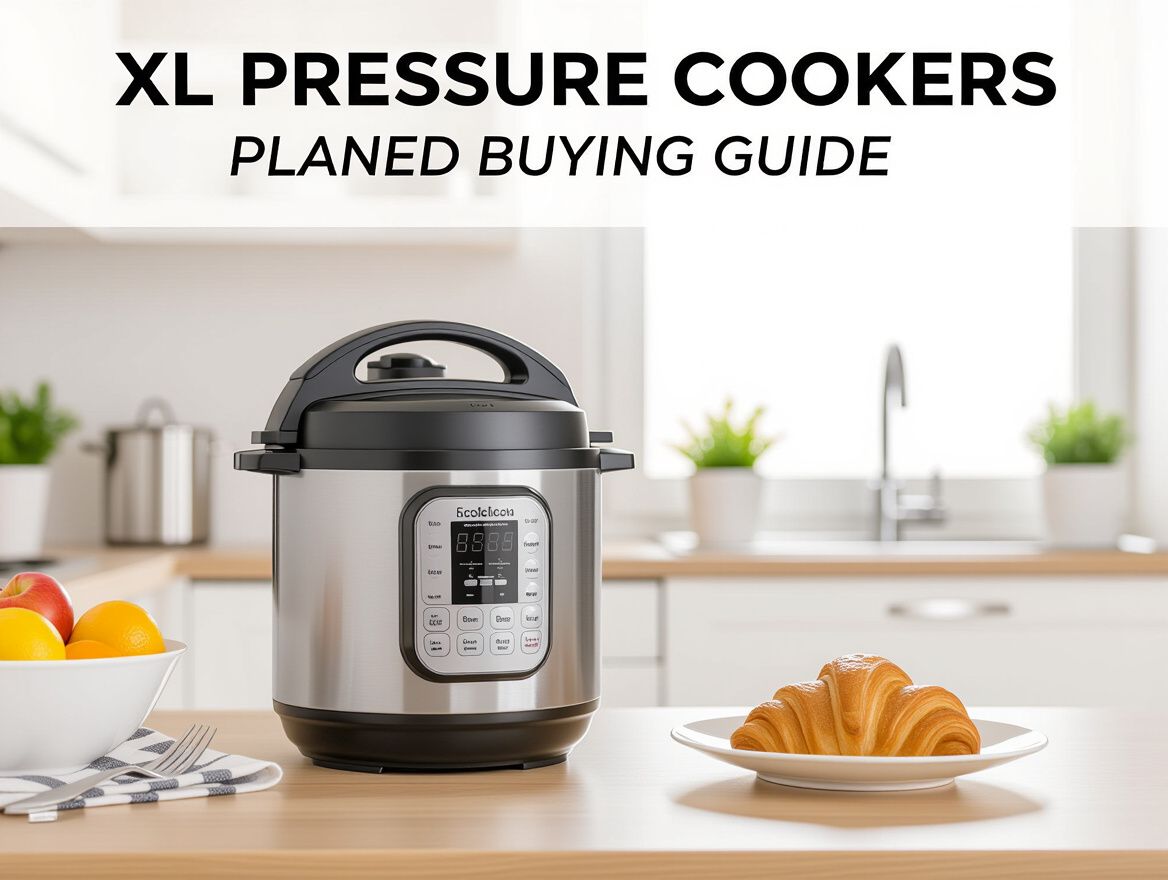
XL pressure cookers are designed to accommodate larger quantities of food, making them ideal for families or those who frequently entertain guests. Typically, these cookers have a capacity of 8 quarts or more, allowing for the preparation of whole meals in a single pot, such as stews, soups, and even large cuts of meat.
The popularity of XL pressure cookers has surged due to their versatility and efficiency. Home cooks appreciate the ability to significantly reduce cooking times—pressure cooking can cut traditional cooking durations by up to 70%. This feature is particularly appealing for busy families looking to streamline meal preparation without sacrificing flavor or nutrition.
When considering an XL pressure cooker, consumers are often drawn to models that offer advanced safety features, such as locking lids and pressure release valves, which are essential for safe operation. Additionally, the choice of materials—such as stainless steel for durability and easy cleaning—can influence purchasing decisions. With the right cooker, users can explore a variety of cooking methods, including steaming, sautéing, and slow cooking, all in one device.
In summary, XL pressure cookers provide a practical solution for efficient cooking, catering to the needs of larger households and those seeking quick meal options.
Key Features to Look For
When selecting an XL pressure cooker, specific features can greatly influence your cooking experience and safety. Here’s a checklist of essential features to consider:
-
Material Quality:
- Stainless Steel: Offers durability, rust resistance, and even heat distribution. Tri-ply stainless steel models are particularly effective for consistent cooking.
- Aluminum: Lightweight and often less expensive, but may not provide the same durability and heat retention as stainless steel. Consider anodized aluminum for increased safety and longevity.
-
Safety Features:
- Locking Lid: Essential for preventing pressure build-up if the lid isn’t secured properly. This feature also keeps the lid from being opened while under pressure.
- Pressure Release Systems: Look for models with quick-release valves or controlled release options, which can help manage steam and prevent burns.
-
Size and Capacity Considerations:
- Choose a size that matches your cooking needs. For families, an XL pressure cooker typically holds between 6 to 10 quarts, allowing for larger meals or batch cooking.
- Assess your kitchen space to ensure the cooker fits comfortably on your countertop or storage area.
-
User-Friendly Controls and Settings:
- Opt for models with intuitive controls, including preset cooking functions, timers, and adjustable pressure settings. Digital interfaces can simplify the cooking process, especially for beginners.
By focusing on these key features, you can make a more informed decision that aligns with your cooking habits and safety requirements.
Comparing Materials and Durability
When selecting an XL pressure cooker, the material used in its construction is a critical factor that influences durability, safety, and cooking performance. The two most common materials are stainless steel and aluminum, each with distinct advantages and disadvantages.
Stainless Steel
- Durability: Stainless steel is known for its robustness and resistance to rust and corrosion. It is less likely to warp over time compared to aluminum, making it a long-lasting choice.
- Cooking Performance: Stainless steel provides excellent heat retention and distribution, which can lead to more evenly cooked meals. It is also non-reactive, meaning it won’t affect the flavor of acidic foods.
- Maintenance: While stainless steel can be more challenging to clean, it is generally stain-proof and odor-proof, which is beneficial for frequent use.
Aluminum
- Weight: Aluminum pressure cookers are lighter, making them easier to handle, especially when filled with food.
- Cost: Typically, aluminum pressure cookers are more affordable than their stainless steel counterparts, which may appeal to budget-conscious buyers.
- Heat Conductivity: Aluminum heats up quickly, allowing for faster cooking times. However, it can lead to uneven cooking if not designed properly.
Safety Considerations
Regardless of the material, safety features are paramount. Look for cookers with reliable locking mechanisms and pressure release systems to prevent accidents. Aluminum cookers should ideally have anodized coatings for added safety and durability.
Long-term Durability
When considering long-term use, stainless steel is often favored for its longevity. Aluminum, while effective, may require more frequent replacement if not maintained properly. Evaluating your cooking habits, budget, and safety priorities will help you make an informed choice between these materials.
Potential Safety Risks
When considering an XL pressure cooker, it's essential to understand the potential safety risks associated with their use. These cookers can be incredibly efficient, but they also come with certain dangers that users should be aware of.
-
Common Safety Issues: Many users have reported incidents involving burns and explosions due to faulty pressure release mechanisms or improper sealing. For instance, the Power Pressure Cooker XL has been linked to serious injuries, including burns from hot contents being ejected when the lid is opened prematurely.
-
Lawsuit Examples: There have been multiple lawsuits regarding safety failures in XL pressure cookers. Notably, a case highlighted the severe injuries sustained by users when their cooker malfunctioned, leading to second and third-degree burns. Such incidents underscore the importance of choosing a model with a proven safety record and reliable customer support.
-
Safety Standards: When purchasing an XL pressure cooker, look for products that meet established safety standards, such as those set by UL (Underwriters Laboratories) or other recognized safety organizations. These certifications indicate that the product has undergone rigorous testing for safety and reliability.
Before making a decision, weigh these safety considerations against your cooking needs. Understanding the risks involved will help you choose a pressure cooker that not only meets your capacity requirements but also prioritizes user safety.
Common Buyer Questions
When considering an XL pressure cooker, potential buyers often have specific questions that can significantly influence their purchasing decisions. Here are some common inquiries:
What problems do XL pressure cookers solve?
XL pressure cookers are particularly effective for families or individuals who need to prepare large quantities of food quickly. They can:
- Reduce Cooking Time: Pressure cooking can decrease traditional cooking times by up to 70%, making meal prep faster.
- Cook Large Meals: With capacities of 8 quarts or more, they are ideal for preparing meals like soups, stews, or large cuts of meat in one go.
- Versatile Cooking Methods: These cookers allow for various cooking techniques, including steaming, sautéing, and slow cooking, all in a single appliance.
Which features are most critical for safety?
Safety is paramount when using pressure cookers. Key features to look for include:
- Locking Lid Mechanism: Ensures the lid cannot be opened until pressure has been safely released.
- Pressure Release Valve: Provides a controlled way to release steam and pressure, minimizing the risk of accidents.
- Durable Construction: Materials like stainless steel are preferable for their heat retention and durability, which can enhance safety.
How do XL models compare to standard pressure cookers?
XL pressure cookers differ from standard models in several ways:
- Capacity: XL cookers typically hold more food, catering to larger families or gatherings.
- Cooking Speed: Although both types cook quickly, XL models may offer additional features that enhance cooking efficiency.
- Versatility: XL cookers often come with more functions, such as programmable settings for various cooking styles, which can be especially beneficial for diverse meal preparation.
By understanding these common questions, buyers can make informed decisions tailored to their cooking needs and safety considerations.
Making an Informed Decision
Choosing the right XL pressure cooker involves careful consideration of several key features and potential risks. As you evaluate your options, keep these points in mind:
-
Essential Features: Look for durable materials, such as stainless steel or anodized aluminum, which enhance safety and cooking performance. Ensure the cooker has reliable safety mechanisms, like a locking lid and effective pressure release systems, to prevent accidents during operation.
-
Brand Reputation: Research brands that have a proven track record in the market. Established companies often provide better support, including replacement parts and customer service, which can be crucial for long-term use.
-
Size and Capacity: Assess your cooking needs. XL pressure cookers typically have a minimum capacity of 8 quarts, making them suitable for larger families or meal prep. However, ensure that the size aligns with your kitchen space and cooking habits.
-
Potential Risks: Be aware of safety concerns associated with pressure cooking, such as the risk of burns or explosions if the cooker is not used correctly. Always follow the manufacturer's guidelines and safety features to mitigate these risks.
In conclusion, investing time in researching different brands and models can lead to a more satisfying cooking experience. By focusing on essential features, brand reliability, and safety considerations, you can confidently select the XL pressure cooker that best fits your family's needs.
More in Pressure Cookers
View All