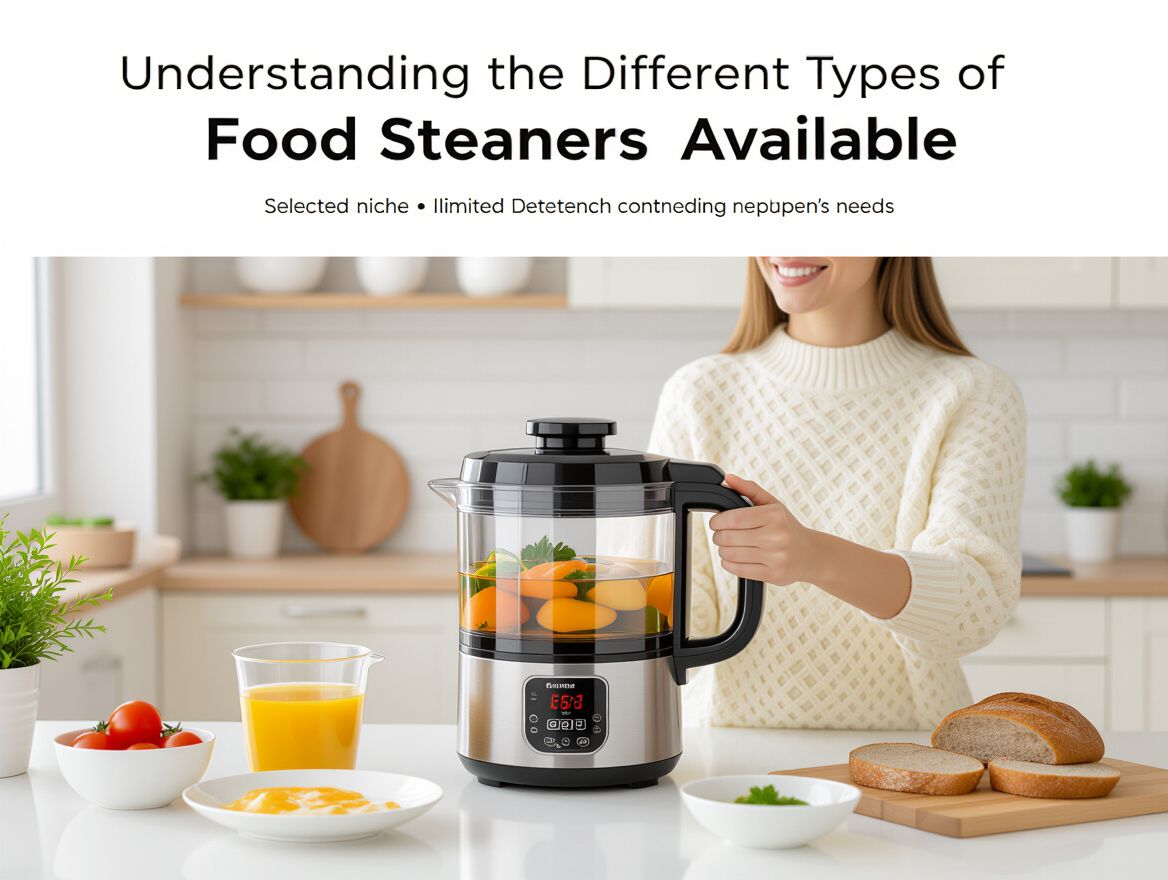
Understanding the Different Types of Food Steamers Available
What Are Food Steamers and Their Benefits?
Food steamers are kitchen appliances designed to cook food using steam rather than direct heat. This method preserves nutrients, flavor, and texture, making steamers a popular choice for health-conscious consumers.
General Benefits of Using Food Steamers
- Nutrient Retention: Steaming helps maintain vitamins and minerals in vegetables and other foods better than boiling or frying.
- Reduced Fat Usage: Cooking with steam requires little to no oil, making meals lower in fat and calories.
- Enhanced Flavor: Foods cooked with steam often retain their natural flavors, resulting in tastier dishes.
- Versatile Cooking Options: Steamers can often accommodate a variety of foods, including vegetables, fish, rice, and even desserts.
Overview of Different Types Available
Food steamers come in several types, each with unique features to suit different cooking styles:
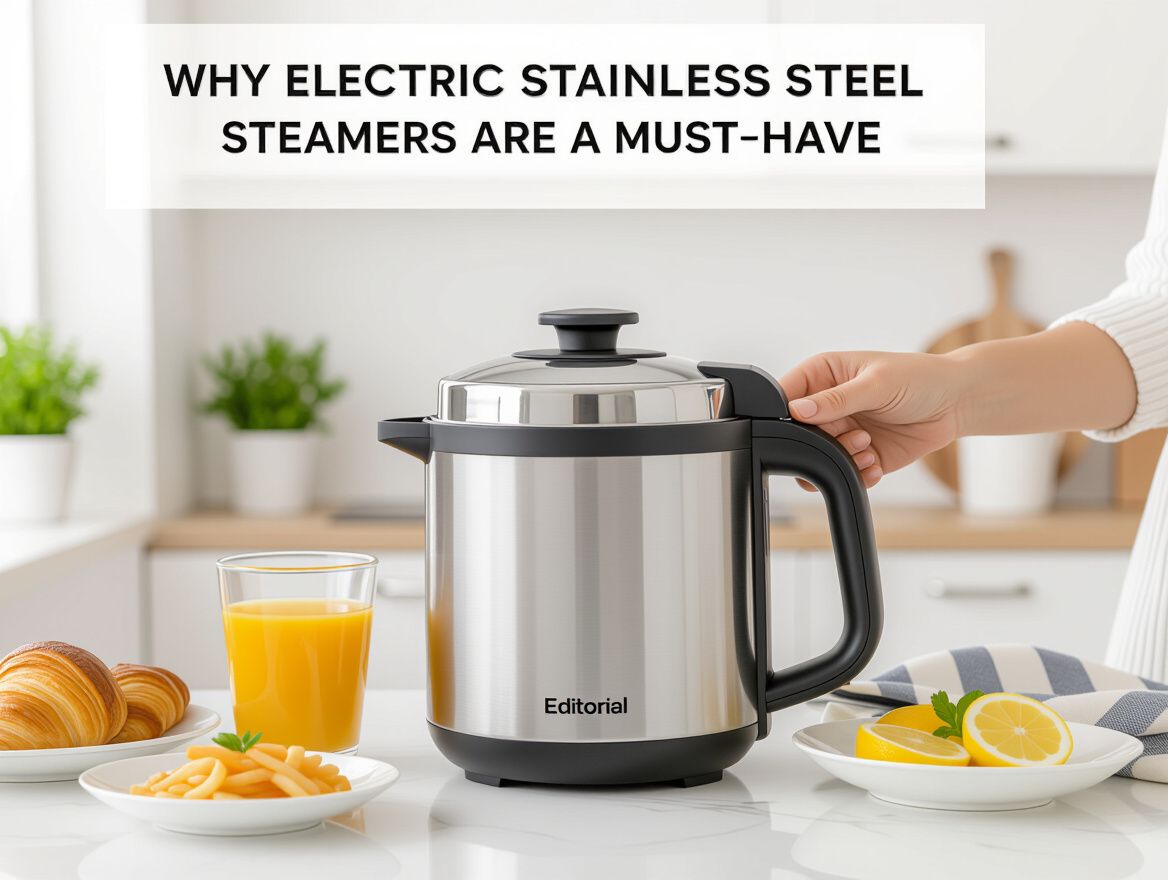
- Electric Steamers: These plug-in appliances offer precise temperature control and often come with multiple tiers for cooking various foods simultaneously.
- Stovetop Steamers: Typically made of metal or bamboo, these steamers require a pot of boiling water on the stove and can be more traditional in cooking methods.
- Microwave Steamers: Designed for quick cooking, these containers utilize microwave energy to generate steam, making them ideal for busy lifestyles.
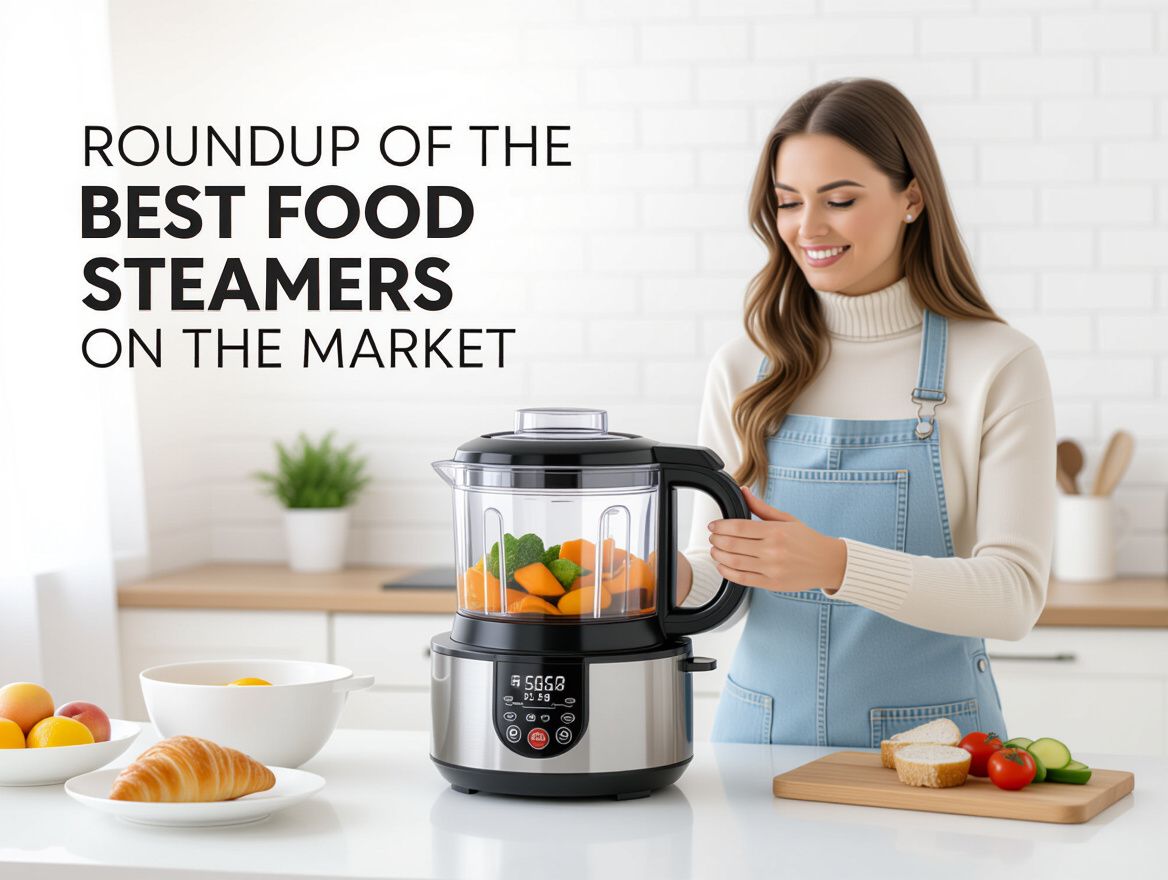
- Multi-Functional Cookers: Some modern appliances combine steaming with other cooking methods like pressure cooking, slow cooking, and sautéing, providing more versatility in the kitchen.
Understanding these variations can help you make an informed decision based on your cooking habits, kitchen space, and desired features.
Types of Food Steamers: A Comparative Analysis
When choosing a food steamer, understanding the various types available can significantly influence your buying decision. Each type of steamer comes with its own features, benefits, and limitations, making it essential to evaluate them against your cooking needs.
Electric Steamers vs. Stovetop Steamers
-
Electric Steamers: These appliances offer convenience and often come with built-in timers and automatic shut-off features. They are ideal for those who prefer a hands-off cooking experience. However, they can consume more energy and may take up counter space.
-
Stovetop Steamers: Typically more compact and often made from materials like stainless steel, stovetop steamers are versatile and can be used on various types of cooking surfaces. They require more attention during cooking and can take longer to heat up compared to electric models.
Multi-functional Steamers vs. Dedicated Steamers
-
Multi-functional Steamers: These devices often combine steaming with other cooking methods, such as slow cooking or rice cooking. They are suitable for users looking to maximize functionality in a single appliance but may require a learning curve to master all features.
-
Dedicated Steamers: Focused solely on steaming, these models are usually simpler to operate and may produce better results for steaming specific foods. However, they lack the versatility of multi-functional models, which may be a drawback for some users.
Size and Capacity Considerations
-
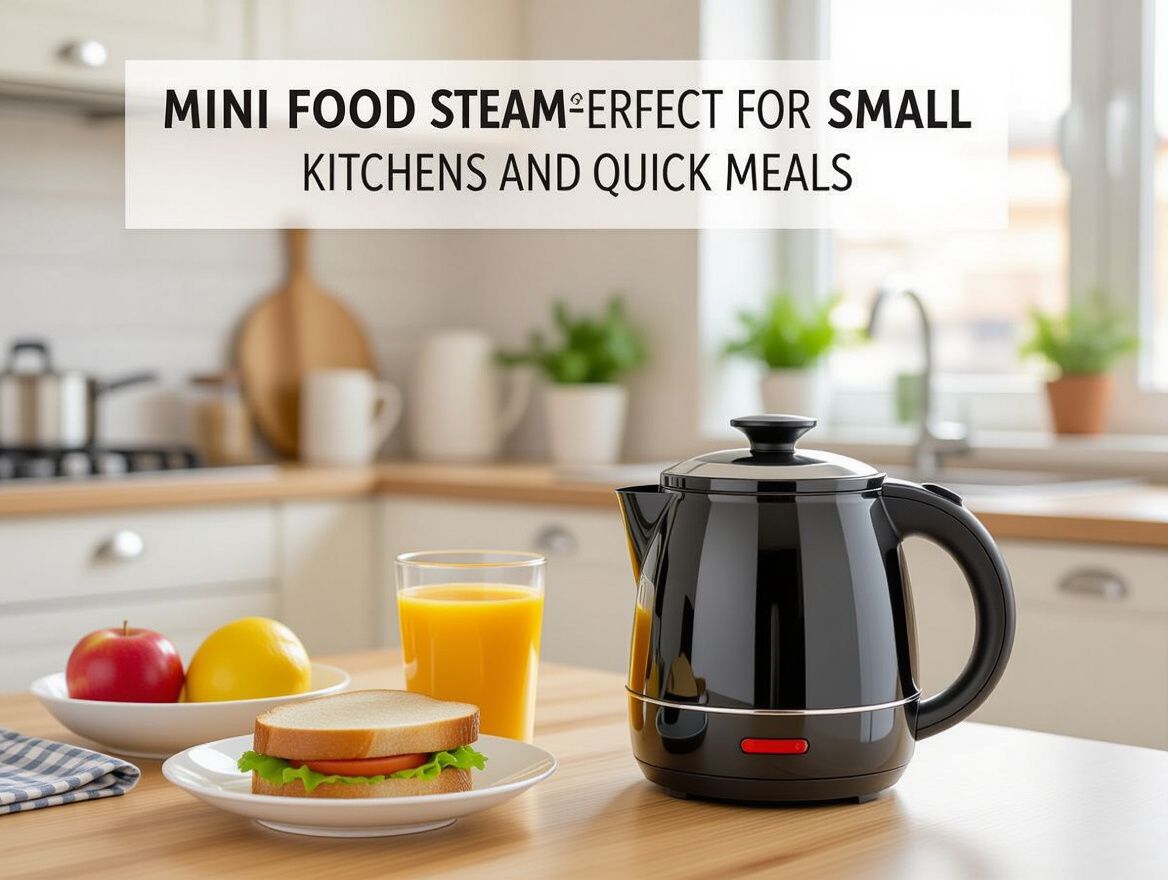
Small Capacity Steamers: Ideal for individuals or small families, these steamers can efficiently cook single portions. They are generally more affordable but may not be suitable for larger meals or batch cooking.
-
Large Capacity Steamers: Best for families or meal prep enthusiasts, larger steamers can accommodate multiple dishes at once. They may require more storage space and a larger footprint on your countertop, but they offer the convenience of preparing several servings simultaneously.
Conclusion
Understanding the differences between electric and stovetop steamers, as well as the trade-offs between multi-functional and dedicated models, can help you make a more informed purchasing decision. Consider your cooking habits, kitchen space, and the types of meals you typically prepare to find the best fit for your needs.
Key Features to Consider When Choosing a Food Steamer
When selecting a food steamer, understanding the essential features can significantly influence your purchasing decision. Here’s a checklist of key aspects to evaluate:
-
Material and Durability: Look for steamers made from high-quality materials such as stainless steel, glass, or BPA-free plastic. Stainless steel offers longevity and resistance to wear, while glass provides a non-reactive surface for healthier cooking. Assess the build quality to ensure it can withstand regular use.
-
Ease of Cleaning: Consider steamers that are dishwasher safe or have removable parts for easy cleaning. Non-stick surfaces can also simplify the maintenance process. A steamer that disassembles easily can save time and effort in cleanup.
-
Energy Efficiency: Evaluate the power consumption of the steamer. Energy-efficient models can save you money on electricity bills over time, especially if you plan to use the steamer frequently. Look for features like automatic shut-off to enhance energy savings.
-
Safety Features: Safety is paramount when using kitchen appliances. Check for features such as cool-touch handles, steam release valves, and overheat protection. A steamer with a secure locking mechanism can prevent accidental spills and burns.
By considering these features, you can make a more informed choice that aligns with your cooking habits and safety requirements.
Potential Risks and Trade-offs of Using Food Steamers
When considering the purchase of a food steamer, it's important to weigh the potential risks and trade-offs associated with different models. Understanding these factors can help you make a more informed decision that aligns with your cooking needs and lifestyle.
-
Overcooking or Undercooking Food: One of the primary challenges with food steamers is the risk of not achieving the desired cooking consistency. Without careful monitoring, food can quickly become overcooked, leading to loss of nutrients and flavor. Conversely, undercooked food can pose health risks, especially with proteins that require thorough cooking.
-
Space and Storage Concerns: Food steamers come in various sizes, but many electric models can be bulky. If kitchen space is limited, you may need to consider how often you'll use the steamer versus the amount of storage space it will occupy. Additionally, stackable options might require more vertical space than you have available.
-
Electricity Consumption for Electric Models: While electric food steamers offer convenience, they do consume electricity. This can be a concern for those looking to minimize energy costs or reduce their carbon footprint. It's advisable to consider how often you plan to use the steamer and to evaluate its energy efficiency ratings to gauge long-term costs.
By being aware of these risks and trade-offs, you can better assess which type of food steamer aligns with your cooking habits and kitchen setup, ultimately leading to a more satisfactory purchase decision.
Frequently Asked Questions About Food Steamers
When considering a food steamer for your kitchen, it's common to have questions about its functionality and maintenance. Here are some answers to help guide your purchasing decision.
What types of food can be steamed?
Food steamers are versatile and can accommodate a wide range of foods, including:
- Vegetables: Broccoli, carrots, and spinach retain their nutrients and flavor when steamed.
- Fish and Seafood: Delicate proteins like salmon and shrimp can be steamed to perfection without drying out.
- Rice and Grains: Many steamers come with a rice bowl, allowing for perfectly cooked rice.
- Meats: Chicken, dumplings, and even certain cuts of beef can be steamed.
- Desserts: Some steamers can handle custards and cakes, providing a unique cooking method.
How do I clean and maintain my food steamer?
Proper maintenance of your food steamer ensures longevity and optimal performance. Here are some tips:
- Regular Cleaning: After each use, wash removable parts in warm, soapy water. Check if they are dishwasher-safe.
- Descaling: If you live in an area with hard water, descale your steamer regularly to prevent mineral buildup.
- Drying: Make sure all parts are thoroughly dried before storing to prevent mold or mildew.
- Check Seals and Components: Inspect the steam release valves and seals for wear and replace them as needed.
Are there any recipes specifically for steamers?
Yes, many recipes are tailored for steaming, providing healthy and delicious meal options. Consider:
- Vegetable Medleys: Combine your favorite vegetables with herbs for a simple side dish.
- Steamed Fish: Season fish fillets with lemon and herbs, then steam for a light meal.
- Dumplings: Use your steamer to cook dumplings, ensuring they stay moist and flavorful.
- Pudding and Custards: Utilize steaming to create creamy desserts that are less likely to curdle.
Understanding these aspects of food steamers can enhance your cooking experience and help you choose the right model for your needs.
Making an Informed Decision on Food Steamers
When it comes to selecting a food steamer, understanding the different types and their features is crucial. Each type caters to specific cooking habits and preferences, so aligning a steamer with your lifestyle can enhance your culinary experience.
Key Considerations Before Purchase
- Type of Steamer: Decide between electric, stovetop, microwave, or multi-functional steamers based on your cooking style and the types of food you prepare most often.
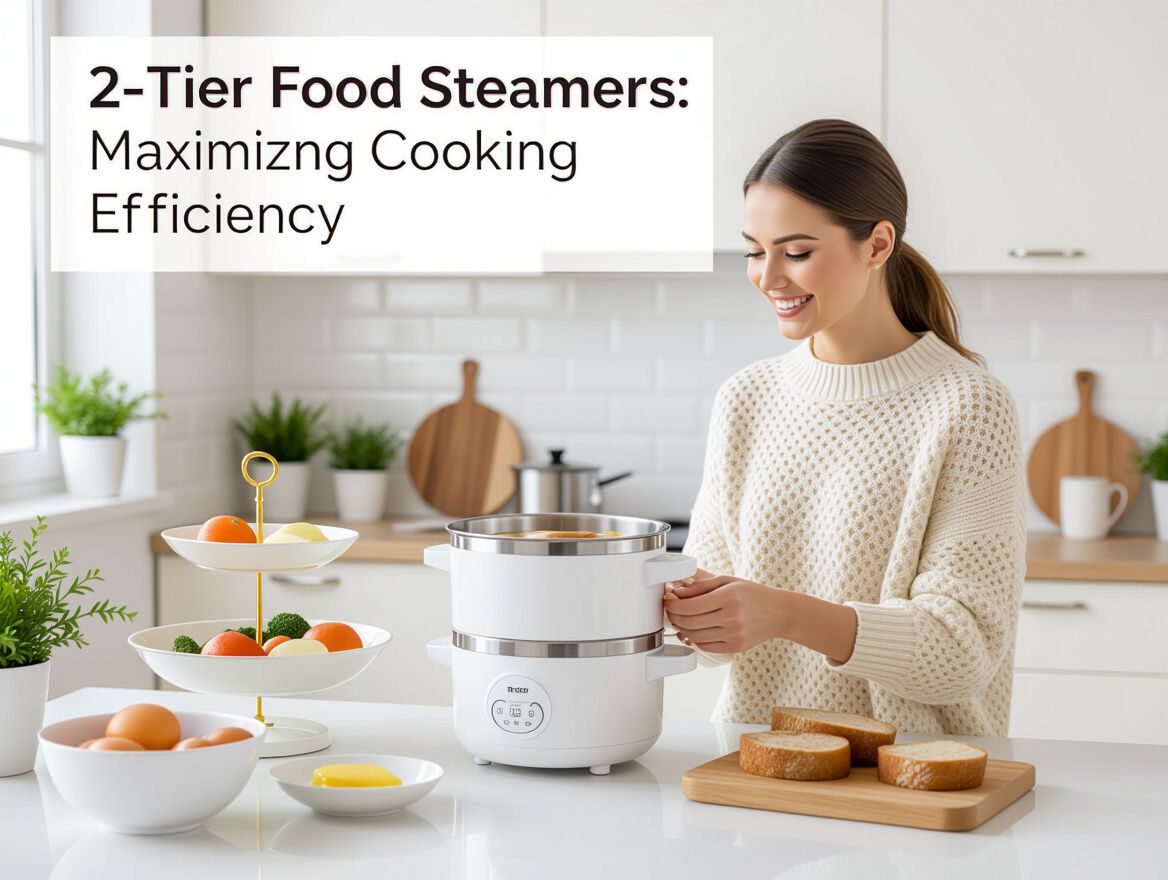
- Capacity: Consider how much food you typically cook at once. Larger households may benefit from multi-tier electric steamers, while individuals might prefer compact options.
- Ease of Use: Evaluate how user-friendly the steamer is. Features like built-in timers, automatic shut-off, and easy-clean designs can significantly improve convenience.
- Energy Efficiency: Electric steamers can consume more energy, so if energy efficiency is a priority, compare the wattage and features of different models.
Weighing the Pros and Cons
Before making a purchase, weigh the advantages and limitations of each type of steamer:
- Electric Steamers: Offer convenience and precise cooking but may require more counter space and energy.
- Stovetop Steamers: Provide traditional cooking methods and are often more compact but require constant monitoring.
- Microwave Steamers: Allow for quick cooking times but may not deliver the same quality as other methods.
- Multi-Functional Cookers: Offer versatility but can be more complex to operate and maintain.
Aligning with Cooking Habits
Ultimately, the best steamer for you will depend on how you cook. If you frequently prepare meals for a family, a larger electric steamer may be ideal. Conversely, if you’re often on the go, a microwave steamer could suit your needs better.
By carefully considering these factors and assessing your cooking habits, you can confidently choose a food steamer that enhances your kitchen efficiency and meets your culinary goals.