Bamboo Food Steamers: A Traditional Cooking Method
Understanding Bamboo Food Steamers
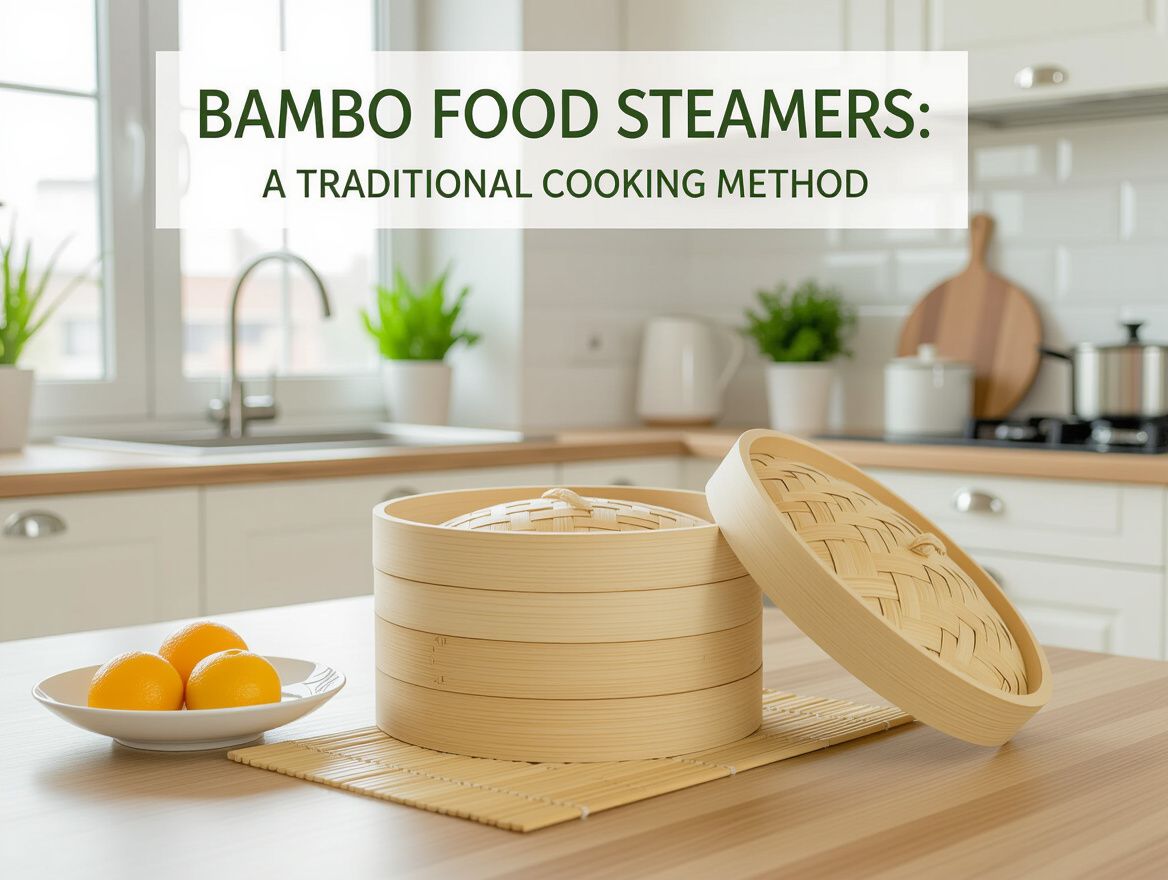
Bamboo food steamers are traditional cooking vessels made from bamboo, widely used in Asian cuisines. These steamers consist of multiple tiers, allowing various foods to be cooked simultaneously, making them a practical choice for home cooks and kitchen enthusiasts. The cultural significance of bamboo steamers is deeply rooted in culinary practices, particularly in countries like China, where they have been utilized for centuries to prepare dishes such as dumplings, vegetables, and fish.
The benefits of using bamboo food steamers extend beyond their cultural heritage. They offer a unique cooking method that retains the natural flavors and nutrients of food without the need for added fats or oils. This method is also considered healthier compared to frying or boiling. Additionally, bamboo steamers are eco-friendly; bamboo is a sustainable material that grows quickly and requires minimal resources to cultivate.
When considering bamboo food steamers, it’s essential to weigh the following factors:
- Material and Construction: Ensure the steamer is made from high-quality, untreated bamboo to avoid any chemical leaching during cooking.
- Size and Capacity: Depending on your cooking needs, choose a steamer that fits your kitchen space and can accommodate the amount of food you intend to prepare.
- Maintenance and Care: Bamboo steamers require proper cleaning and drying to prevent mold and prolong their lifespan.
- Cooking Versatility: Assess whether the steamer can be used for different types of food, including vegetables, dumplings, and fish, to maximize its utility.
By understanding these elements, you can make a more informed decision when incorporating bamboo food steamers into your cooking routine, ensuring they align with your culinary needs and lifestyle.
Benefits of Using Bamboo Food Steamers
Bamboo food steamers are not just a traditional cooking tool; they offer several advantages that appeal to health-conscious and eco-friendly home cooks. Understanding these benefits can help you make an informed decision about incorporating bamboo steamers into your culinary practices.
Health Benefits of Steaming Food
Steaming is widely recognized as one of the healthiest cooking methods. It preserves nutrients better than boiling or frying, allowing you to enjoy the maximum health benefits of your ingredients. Bamboo steamers facilitate this method by allowing food to cook evenly without direct contact with water, which helps maintain vitamins and minerals.
Eco-Friendliness of Bamboo
Bamboo is a sustainable resource that grows rapidly and requires minimal water and pesticides. Choosing bamboo food steamers not only supports eco-friendly practices but also reduces your kitchen's carbon footprint. Unlike plastic or metal alternatives, bamboo is biodegradable, making it a better choice for environmentally conscious consumers.
Flavor Preservation and Cooking Efficiency
Bamboo steamers enhance the natural flavors of food by cooking them gently. This method allows for the retention of moisture and taste, resulting in a more vibrant dish. Additionally, bamboo steamers are designed to stack, which enables you to cook multiple foods simultaneously, saving time and energy in the kitchen.
Considerations Before Purchase
While bamboo steamers offer numerous benefits, there are some factors to consider:
- Maintenance: Bamboo requires proper care to prevent mold or odor retention. Regular cleaning and drying are essential.
- Durability: Although bamboo is sturdy, it may not last as long as metal steamers, particularly with frequent use.
- Size and Fit: Ensure the steamer fits your pots or pans for optimal steaming. Measure your cookware to avoid compatibility issues.
By weighing these advantages and considerations, you can decide if a bamboo food steamer aligns with your cooking style and values.
Key Considerations When Choosing Bamboo Food Steamers
When selecting bamboo food steamers, it's essential to evaluate several key factors that can influence your cooking experience and satisfaction. Here are the critical considerations to keep in mind:
-
Size and Capacity: Bamboo food steamers come in various sizes. Consider your cooking needs and kitchen space. Smaller steamers are ideal for single servings or small families, while larger ones can accommodate multiple dishes or larger quantities, making them suitable for gatherings.
-
Material Quality and Construction: The quality of bamboo used in the steamer is crucial for durability and performance. Look for steamers made from 100% natural bamboo without any chemical treatments. Well-constructed steamers with tight-fitting lids will help retain steam and cook food evenly.
-
Price Range and Brand Reputation: Bamboo food steamers vary in price, often reflecting their quality and brand reputation. While it may be tempting to opt for the cheapest option, consider investing in a reputable brand known for quality craftsmanship. Research customer reviews and brand histories to ensure you're making a sound investment.
By carefully evaluating these factors, you can select a bamboo food steamer that aligns with your cooking style and preferences, enhancing your culinary experience while embracing traditional cooking methods.
Trade-offs and Limitations of Bamboo Steamers
While bamboo food steamers offer numerous benefits, it's important to consider their trade-offs and limitations to ensure they meet your cooking needs effectively. Here are some key factors to keep in mind:
-
Durability Concerns: Bamboo steamers, while traditionally durable, may not withstand high temperatures or prolonged exposure to moisture as well as metal or silicone alternatives. Over time, they can warp or develop cracks, particularly if not properly cared for. Regular maintenance is essential to prolong their lifespan.
-
Maintenance and Cleaning: Cleaning bamboo steamers requires special attention. Unlike materials that can be placed in a dishwasher, bamboo should be hand-washed with mild soap and allowed to air dry. Prolonged soaking can damage the bamboo, leading to mold or degradation. This maintenance routine may not suit everyone’s lifestyle, particularly those seeking low-effort kitchen tools.
-
Compatibility with Various Cooking Methods: Bamboo steamers are primarily designed for stovetop use, which may limit their versatility compared to electric or multi-functional steamers. They may not be suitable for all types of cooking surfaces, such as induction cooktops, unless paired with a compatible pot. Additionally, their reliance on steam means they might not be ideal for recipes that require other cooking methods, such as frying or baking.
By weighing these trade-offs, you can better assess whether a bamboo food steamer aligns with your cooking habits and preferences. Understanding these limitations will help you make a more informed decision, ensuring that your choice enhances your culinary experience rather than complicates it.
Frequently Asked Questions about Bamboo Food Steamers
Understanding how to use and maintain bamboo food steamers can significantly enhance your cooking experience. Here are answers to some common questions potential buyers may have:
How to properly use and maintain bamboo steamers?
Using bamboo steamers is straightforward:
- Preparation: Before use, soak the steamer in water for about 30 minutes. This helps prevent the bamboo from burning and allows for better steam retention.
- Layering: Place food in a single layer in the steamer to ensure even cooking. You can line the steamer with parchment paper or cabbage leaves to prevent sticking.
- Cooking: Set the bamboo steamer over a pot of boiling water. Ensure the water level is adequate but not touching the food. Cover with the lid to trap steam.
For maintenance:
- Cleaning: After use, rinse the steamer with warm water and gently scrub with a soft brush. Avoid using soap, as it can absorb into the bamboo.
- Drying: Allow the steamer to air dry completely to prevent mold growth. Store it in a cool, dry place.
Can bamboo steamers be used on all stovetops?
Bamboo steamers are primarily designed for use over pots of boiling water and are not suitable for direct contact with flames or electric stovetops. They work best on:
- Gas Stovetops: Ideal for placing directly over a pot.
- Electric Stovetops: Use with a pot of boiling water, ensuring the steamer does not touch the heating element.
However, they may not be compatible with induction cooktops unless used with a suitable induction adapter.
What are the best foods to steam in bamboo steamers?
Bamboo steamers are versatile and can be used to steam a variety of foods, including:
- Vegetables: Broccoli, carrots, and leafy greens retain their nutrients and flavor when steamed.
- Fish and Seafood: Fish fillets and shrimp cook quickly and evenly, preserving moisture.
- Dumplings and Buns: Traditional Asian dumplings and buns are often steamed in bamboo steamers for an authentic texture.
- Rice and Grains: Certain grains can also be steamed, although it's essential to ensure they are in a suitable container to prevent falling through the slats.
By understanding these aspects, you can effectively utilize bamboo food steamers, ensuring a delightful and traditional cooking experience.
Making an Informed Decision on Bamboo Food Steamers
In summary, bamboo food steamers offer a unique and eco-friendly approach to cooking that highlights the natural flavors of food. Their traditional design and ability to prepare multiple dishes simultaneously can greatly enhance your culinary experience. However, there are several factors to consider before making a purchase.
Key Benefits:
- Healthier Cooking: Steaming preserves nutrients and flavors without added fats.
- Sustainability: Bamboo is a renewable resource that requires less water and chemicals compared to other materials.
- Cultural Authenticity: Using a bamboo steamer connects you to traditional cooking methods.
Considerations:
- Quality of Material: Look for untreated bamboo to avoid chemical leaching.
- Size Fit: Ensure the steamer's dimensions align with your kitchen space and cooking needs.
- Maintenance Needs: Regular cleaning and proper drying are necessary to prevent mold and extend the steamer's life.
Encouragement for Thoughtful Selection:
Before deciding, reflect on your cooking habits and preferences. Are you looking to prepare specific dishes that benefit from steaming? Do you prioritize sustainability in your kitchen tools? By answering these questions, you can better assess whether a bamboo food steamer fits your lifestyle and culinary goals. Making an informed choice will enhance your cooking experience while aligning with your values and needs.