Rice Cookers and Food Steamers: Which Should You Choose?
Understanding Rice Cookers and Food Steamers
In modern kitchens, rice cookers and food steamers have gained popularity for their ability to streamline meal preparation. Each appliance serves a unique purpose, catering to different cooking needs and preferences.
Rice Cookers are specialized devices designed to cook rice perfectly while minimizing effort. They often include features like automatic shut-off and keep-warm functions, making them user-friendly for busy home cooks. Beyond rice, many models can also prepare grains like quinoa or oatmeal, expanding their versatility.
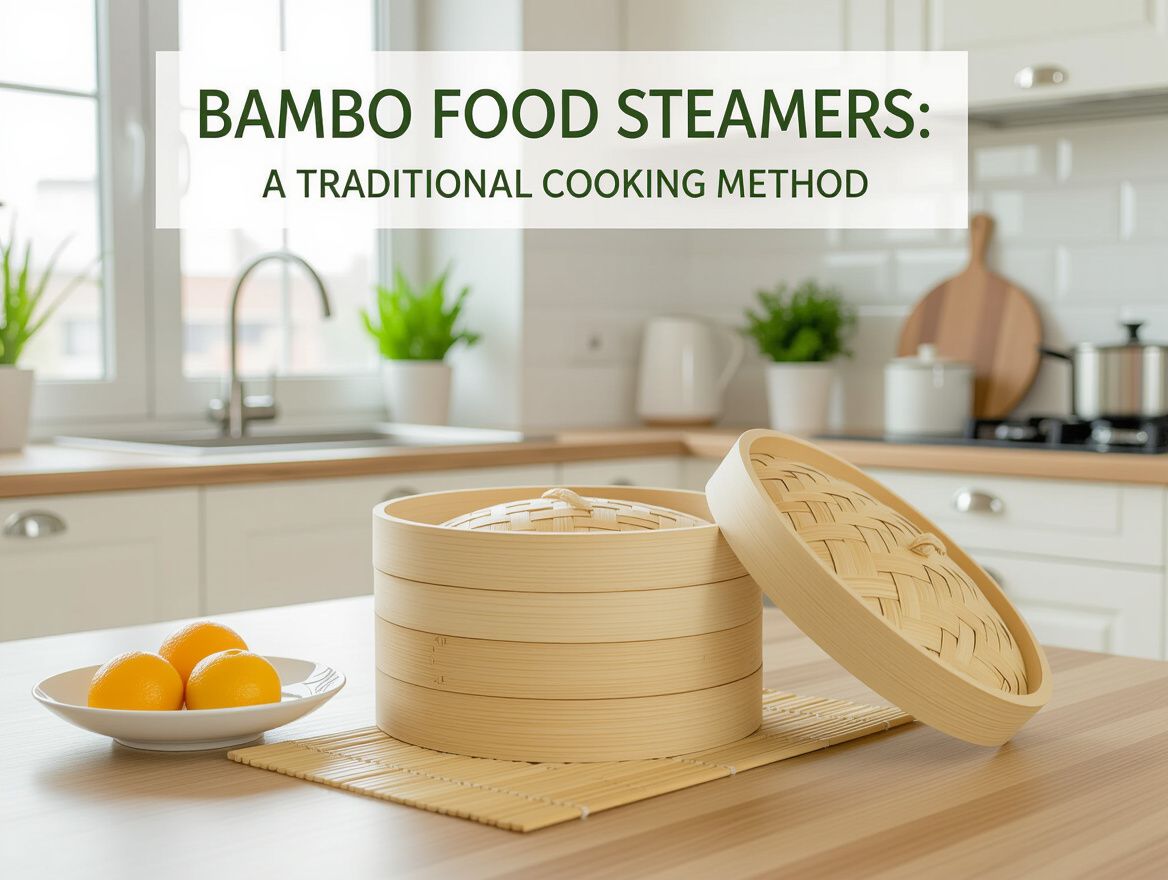
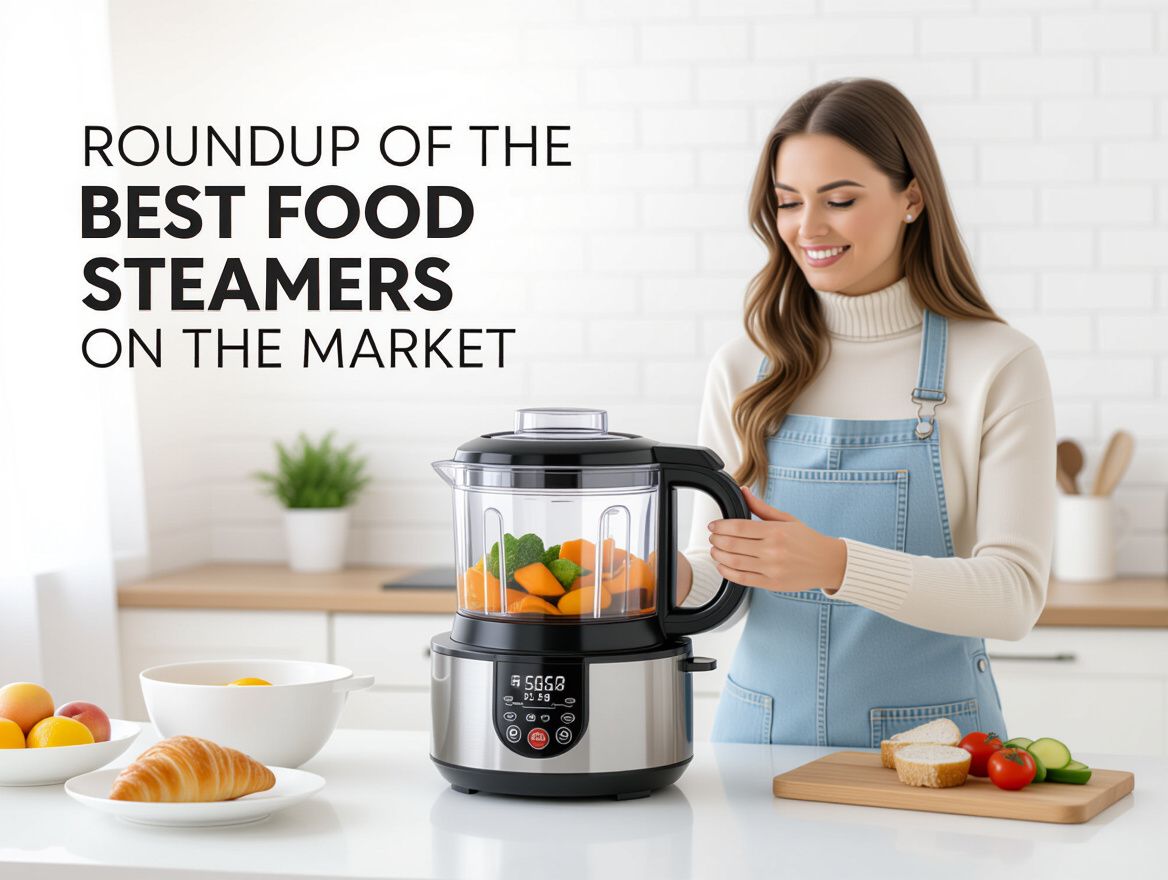
Food Steamers, on the other hand, focus on cooking food using steam, which helps retain nutrients and flavors. They are ideal for preparing vegetables, seafood, and even certain proteins without added fats. Steamers can come in various forms, from electric multi-tiered units to stovetop varieties, allowing for a range of cooking styles.
When deciding between these two appliances, consider the following aspects:
- Cooking Needs: Determine if your primary focus is cooking rice or steaming a variety of foods.
- Meal Versatility: Think about whether you want a single-purpose appliance or something that can handle multiple food types.
- Ease of Use: Assess how much effort you're willing to put into meal preparation and cleanup.
By understanding the functionalities and intended use of rice cookers and food steamers, you can make a more informed decision tailored to your cooking habits.
Key Differences Between Rice Cookers and Food Steamers
When deciding between rice cookers and food steamers, understanding their distinct functionalities can significantly influence your cooking experience. Here’s a breakdown of the primary differences:
Cooking Methods: Steaming vs. Boiling
- Rice Cookers: Primarily designed to boil and steam rice. They often use a combination of heat and moisture, allowing for precise cooking of various rice types, from white to brown.
- Food Steamers: Utilize steam to cook food. This method preserves nutrients better than boiling and is suitable for a variety of foods, including vegetables, fish, and even desserts.
Types of Food Best Suited for Each Appliance
- Rice Cookers: Ideal for cooking rice, quinoa, and other grains. Some models offer additional functions for cooking soups or stews.
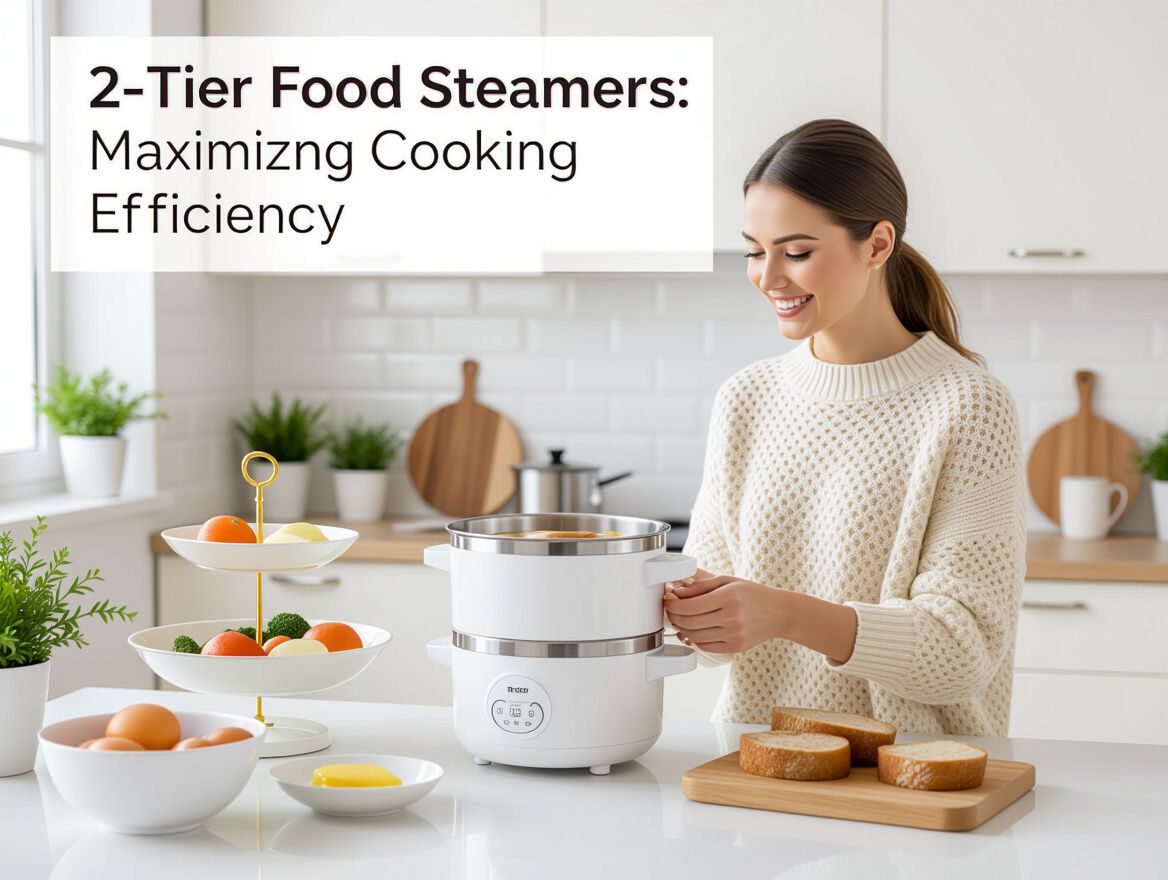
- Food Steamers: Best for vegetables, seafood, and poultry. They can accommodate multiple layers, allowing you to cook different foods simultaneously without mixing flavors.
Time Efficiency and Energy Usage
- Rice Cookers: Generally, they take longer to cook rice compared to steaming vegetables. However, once set, they automatically switch to a warm setting, conserving energy.
- Food Steamers: Often faster in cooking times, especially for vegetables, which can be ready in as little as 10 minutes. They may consume more energy during the cooking process but can be more efficient for multi-tier cooking.
Trade-offs to Consider
- Versatility: Rice cookers excel in rice preparation but may have limited functions beyond that. Food steamers, while versatile for different foods, may not cook grains as effectively.
- Space and Size: Consider your kitchen space. Rice cookers are usually more compact, while food steamers can be bulkier, especially multi-tier models.
- Cleaning and Maintenance: Rice cookers often have non-stick pots that are easier to clean, whereas food steamers may require more effort to clean the steaming trays.
Understanding these differences can help you choose the appliance that best fits your cooking style and meal preparation needs.
Pros and Cons of Rice Cookers
Rice cookers are specialized appliances designed for cooking rice and other grains. Understanding their advantages and disadvantages can help you determine if they meet your culinary needs.
Advantages:
- Ease of Use: Rice cookers typically feature one-button operation, making them user-friendly. Simply add rice and water, press a button, and the cooker handles the rest, switching to warm mode automatically when cooking is complete.
- Consistent Results: These appliances are engineered to deliver evenly cooked rice every time, reducing the risk of undercooked or burnt grains.
- Versatility: Many rice cookers can also prepare a variety of grains such as quinoa, barley, and even steaming vegetables, expanding their utility beyond just rice.
Disadvantages:
- Limited Cooking Options: While rice cookers excel at cooking rice and grains, they may not be suitable for preparing a wide range of other foods. Their functionality is often limited compared to multi-cookers or steamers.
- Space and Cost: If you have limited counter space or a tight budget, investing in a rice cooker might not be the best choice, especially if you don’t regularly prepare rice or grains.
- Cleaning Considerations: Some models have non-removable inner pots that can be challenging to clean, particularly if food sticks.
In summary, while rice cookers offer convenience and consistency for grain preparation, they may not be the best fit for all cooking needs. Consider how often you prepare rice versus other types of meals to make an informed decision.
Pros and Cons of Food Steamers
Food steamers are a popular choice for health-conscious cooks who want to prepare meals that maintain their nutritional quality. However, like any kitchen appliance, they come with their own set of advantages and drawbacks that can influence your buying decision.
Benefits of Food Steamers
-
Health Benefits: Steaming food helps preserve nutrients that can be lost through other cooking methods, such as boiling or frying. This makes steamers an excellent option for cooking vegetables, fish, and lean meats without adding excess fats or oils.
-
Variety of Foods: Food steamers can handle a wide range of ingredients, from vegetables to dumplings and even some grains. This versatility allows you to create diverse meals without needing multiple cooking methods.
-
Ease of Preparation: Most steamers are simple to operate—just add water, set the timer, and let the appliance do the work. This convenience can save time in busy kitchens.
Potential Downsides
-
Cooking Capacity: One of the primary drawbacks of food steamers is their limited cooking capacity. If you're preparing meals for a large family or group, you may find that a single-tier steamer doesn't hold enough food, necessitating multiple batches.
-
Longer Cooking Times: While steaming is a healthy method, it can take longer than other cooking techniques like sautéing or microwaving. For those pressed for time, this could be a consideration.
-
Maintenance Needs: Regular cleaning is essential to prevent mineral buildup from the water used in steaming. Depending on the model, this can require more effort than other cooking appliances.
When considering a food steamer, weigh these pros and cons against your specific cooking needs and lifestyle. Understanding how a steamer fits into your meal preparation routine will help you make a more informed decision about whether it complements or complicates your kitchen experience.
Buying Criteria for Rice Cookers and Food Steamers
When deciding between rice cookers and food steamers, it’s essential to evaluate several key factors that can significantly influence your purchase decision. Here’s a checklist to guide you through the process:
-
Capacity and Size:
- Assess how much food you typically prepare. Rice cookers come in various sizes, from small models for single servings to larger ones suitable for families. Similarly, food steamers vary in tiered configurations, impacting how much food you can cook at once.
- Consider your kitchen space and storage options. A compact steamer may be more suitable for smaller kitchens, while a larger rice cooker could be beneficial for frequent meal prep.
-
Ease of Cleaning and Maintenance:
- Look for models with removable parts or non-stick surfaces, which can simplify the cleaning process. Rice cookers often have inner pots that are dishwasher-safe, while steamers may require more manual cleaning depending on their design.
- Evaluate the maintenance requirements. Some steamers may have specific cleaning needs to prevent mineral buildup, especially if you use tap water.
-
Price Range and Brand Reputation:
- Establish your budget. Rice cookers and food steamers come in a wide price range, so it’s important to balance features with affordability.
- Research brand reputation and customer reviews to gauge reliability and performance. A well-reviewed brand may provide better long-term satisfaction and support.
By carefully considering these criteria, you can better align your choice of appliance with your cooking habits and preferences, ensuring a more satisfying kitchen experience.
Considerations and Potential Risks
When choosing between rice cookers and food steamers, it's essential to be aware of potential risks and issues associated with each appliance. Understanding these factors can help you make a more informed decision and optimize your cooking experience.
Safety Concerns Related to Overheating
Both rice cookers and food steamers can pose safety risks if not used correctly. Overheating can occur due to:
- Faulty Thermostats: Some models may not accurately regulate temperature, leading to overheating.
- Improper Ventilation: Ensure that steamers have adequate airflow to prevent overheating and potential damage.
Regularly monitor your appliance during use and consult the user manual for safety guidelines.
Durability and Warranty Considerations
The longevity of rice cookers and food steamers can vary significantly based on brand and usage. Important points to consider include:
- Material Quality: Look for appliances made from durable materials that can withstand regular use without warping or breaking.
- Warranty Coverage: Check the warranty terms to understand what is covered and for how long, as this can indicate the manufacturer's confidence in their product’s durability.
Common Failure Points and How to Avoid Them
Understanding common failure points can help you maintain your appliance effectively:
- Electrical Components: Both devices rely on electrical parts, which can fail over time. Avoid using them with wet hands or in damp environments.
- Seals and Gaskets: In steamers, worn seals can lead to steam leaks, reducing efficiency. Regularly inspect and replace seals as needed.
By being aware of these considerations and potential risks, you can better assess which appliance aligns with your cooking habits and safety requirements.
Frequently Asked Questions
When considering rice cookers and food steamers, potential buyers often have several questions that can influence their purchasing decision. Here are some common inquiries:
What can you cook in a rice cooker vs. a food steamer?
- Rice Cooker: Primarily designed for cooking various types of rice, many models can also prepare grains like quinoa, oatmeal, and even certain soups or stews. Some advanced models feature settings for different types of rice, ensuring optimal cooking results.
- Food Steamer: Designed for steaming vegetables, seafood, and proteins, food steamers can retain nutrients and flavors without added fats. They are versatile and can often handle a variety of foods at once, especially multi-tiered models.
How do cooking times compare between the two appliances?
- Rice Cookers: Cooking times can vary depending on the type of rice and the model, but generally, rice is cooked in about 20-50 minutes.
- Food Steamers: Cooking times can vary widely based on the food being steamed. For example, vegetables may take 5-15 minutes, while proteins like fish can require 10-20 minutes.
Are there any maintenance tips for longevity?
- Rice Cookers: Regularly clean the inner pot and steam tray to prevent residue buildup. Ensure the heating element is free from debris to maintain efficiency.
- Food Steamers: Clean the steaming trays and any water reservoirs after each use to avoid mineral buildup. Some models may have dishwasher-safe components, simplifying the cleaning process.
By addressing these questions, consumers can better understand how rice cookers and food steamers fit their cooking needs and make a more informed decision.
Making Your Decision: Rice Cooker or Food Steamer?
In choosing between rice cookers and food steamers, it's essential to reflect on your specific cooking habits and preferences. Each appliance offers distinct advantages and serves different culinary purposes, so understanding these trade-offs can guide you toward the right choice.
Key Differences and Trade-offs
-
Functionality:
- Rice Cookers excel in cooking rice and grains, often providing additional features for soups or stews. If rice is a staple in your meals, this appliance may be indispensable.
- Food Steamers offer versatility in cooking a broader array of foods, including vegetables, fish, and even desserts. This is ideal if you prioritize nutrient retention and healthy cooking methods.
-
Ease of Use:
- Rice Cookers are typically straightforward, often requiring minimal intervention once the cooking process begins. This makes them appealing for busy cooks.
- Food Steamers might involve a bit more setup, especially multi-tier models. However, they allow for simultaneous cooking of various items, which can be a time-saver.
-
Space and Storage:
- Consider the size of your kitchen. Rice cookers usually take up less counter space compared to larger steamers, especially those with multiple tiers. If kitchen real estate is limited, this could be a deciding factor.
Consider Your Cooking Needs
Reflect on the types of meals you most frequently prepare:
- If rice and grains are central to your diet, a rice cooker is likely the better fit.
- If you enjoy a variety of steamed vegetables and proteins, a food steamer may better suit your culinary style.
Ultimately, weigh these considerations against your cooking habits to determine which appliance aligns best with your needs. Making a thoughtful choice can enhance your kitchen efficiency and meal enjoyment.