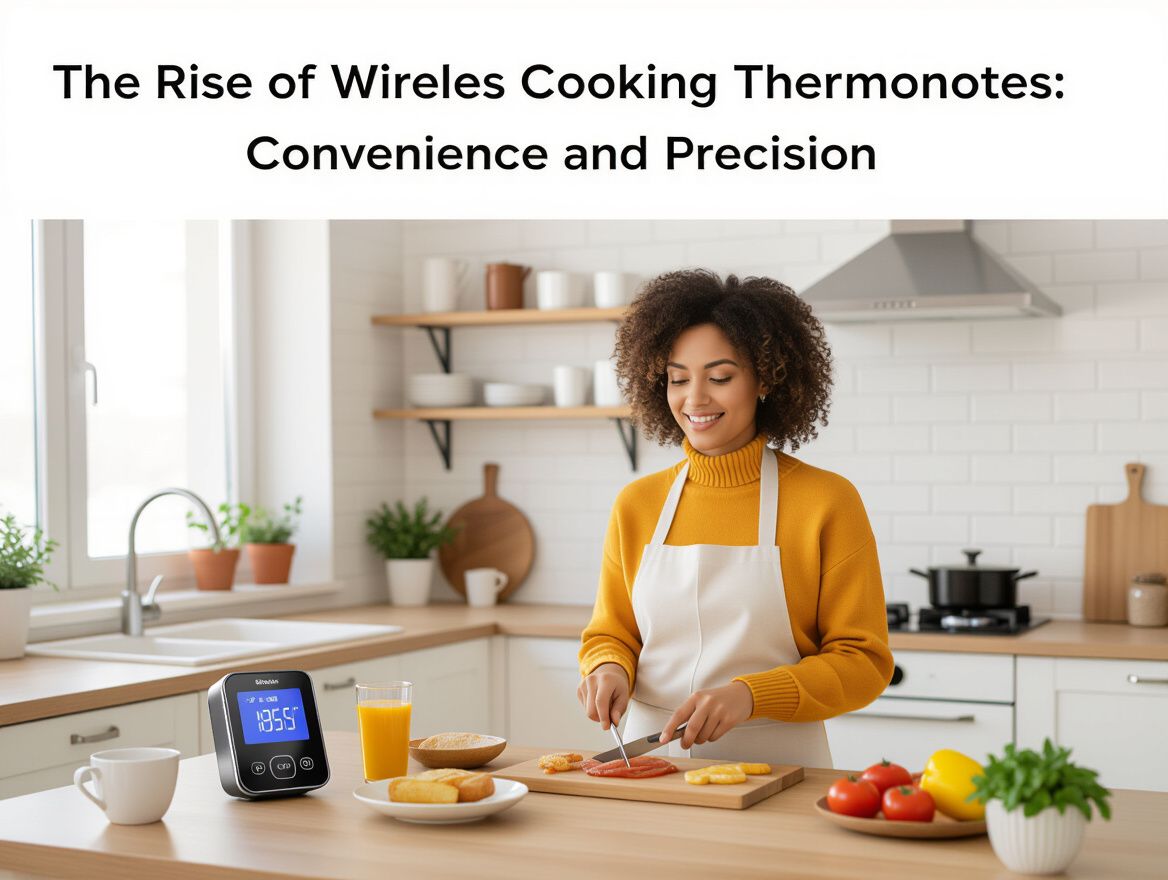
The Rise of Wireless Cooking Thermometers: Convenience and Precision
Understanding Wireless Cooking Thermometers
Wireless cooking thermometers represent a significant advancement in culinary technology, enhancing both convenience and precision in the kitchen. These devices allow home cooks to monitor the internal temperature of foods remotely, ensuring that dishes are cooked to perfection without the need to constantly check on them. Unlike traditional thermometers, which require manual insertion and observation, wireless models typically feature Bluetooth or Wi-Fi connectivity, enabling real-time temperature readings on a smartphone or tablet.
Key Features and Functionality:
- Remote Monitoring: Allows you to keep track of cooking temperatures from a distance, which is especially useful for long cooking processes like roasting or smoking.
- Alerts and Notifications: Many wireless models can send alerts when food reaches the desired temperature, reducing the risk of overcooking.
- Multiple Probes: Some wireless thermometers come with multiple probes, allowing you to monitor different dishes or multiple points in a large cut of meat simultaneously.
Differences from Traditional Thermometers:
- Ease of Use: Wireless thermometers simplify the cooking process, eliminating the need to check temperatures manually.
- Data Logging: Many models can log temperature data over time, which can be useful for refining cooking techniques and recipes.
- Smart Features: Integration with cooking apps can provide guidance on cooking times and techniques based on the type of food being prepared.
When considering a wireless cooking thermometer, it's essential to evaluate your cooking habits, the types of dishes you prepare, and how technology can enhance your culinary experience.
Benefits of Wireless Cooking Thermometers
Wireless cooking thermometers have gained popularity among home cooks and culinary enthusiasts due to their unique advantages that enhance both convenience and precision in the kitchen. Here are some key benefits to consider:
-
Remote Monitoring: One of the standout features of wireless cooking thermometers is the ability to monitor cooking temperatures from a distance. This means you can step away from the stove without the constant need to check the temperature manually. Many models connect to smartphones or tablets, allowing you to receive alerts when your food reaches the desired temperature.
-
Precision in Cooking: Achieving the perfect doneness for meats and other dishes is crucial for flavor and safety. Wireless thermometers provide precise temperature readings, ensuring that your meals are cooked to perfection. This level of accuracy helps eliminate the guesswork often associated with traditional cooking methods.
-
Time-Saving and Multitasking: With the remote capabilities of wireless thermometers, you can multitask more effectively in the kitchen. While your roast cooks, you can prepare side dishes or clean up, all while keeping an eye on the temperature through your device. This efficiency not only saves time but also enhances the overall cooking experience.
While these benefits make wireless cooking thermometers an attractive option, it's essential to weigh them against potential trade-offs, such as battery life or the need for a compatible device. Understanding these factors will help you make an informed decision that aligns with your cooking needs and preferences.
Key Buying Criteria for Wireless Cooking Thermometers
When considering a wireless cooking thermometer, it’s essential to evaluate specific features that can significantly enhance your cooking experience. Here are key criteria to guide your purchase:
-
Temperature Range and Accuracy: Look for thermometers that offer a wide temperature range suitable for various cooking methods. Ensure that the device provides precise readings, as accuracy is crucial for achieving perfect cooking results.
-
Connectivity Options: Wireless thermometers typically connect via Bluetooth or Wi-Fi. Bluetooth offers a reliable connection for short distances, while Wi-Fi can provide broader range and the ability to monitor temperatures remotely through an app. Assess which connectivity option aligns best with your cooking style and kitchen setup.
-
Battery Life and Durability: Long battery life is vital for uninterrupted cooking sessions, especially during lengthy processes like smoking or roasting. Additionally, consider the durability of the thermometer; it should withstand kitchen conditions, including heat and moisture.
By focusing on these criteria, you can better navigate the options available and choose a wireless cooking thermometer that fits your culinary needs and lifestyle.
Trade-offs and Considerations
When considering the purchase of wireless cooking thermometers, it's essential to weigh the potential downsides alongside their benefits. Here are the key trade-offs and limitations to keep in mind:
-
Dependence on Battery Life and Connectivity Issues: Wireless models often rely on batteries, which can die unexpectedly during cooking, leading to interruptions. Additionally, connectivity issues can arise, especially in larger kitchens or when multiple devices are in use, potentially causing delays in receiving temperature readings.
-
Higher Price Points Compared to Basic Models: While wireless thermometers offer advanced features and convenience, they typically come with a higher price tag than traditional wired models. This cost can be a significant factor for budget-conscious home cooks.
-
Learning Curve for New Users: Transitioning to a wireless thermometer may involve a learning curve, especially for those accustomed to analog or wired devices. Users may need time to familiarize themselves with app interfaces and features, which could be a deterrent for those seeking straightforward cooking solutions.
By understanding these considerations, you can better assess whether a wireless cooking thermometer aligns with your cooking style and needs.
Comparing Wireless Cooking Thermometers to Traditional Options
When deciding between wireless cooking thermometers and traditional options, it's important to weigh the pros and cons of each type to find the best fit for your culinary needs.
Pros of Wireless Cooking Thermometers:
- Convenience: Wireless thermometers allow for remote monitoring, which means you can step away from the kitchen without losing track of cooking temperatures. This is particularly beneficial during lengthy cooking processes.
- Alerts: Many wireless models send notifications to your smartphone or tablet when your food reaches the desired temperature, minimizing the risk of overcooking.
- Data Tracking: Some wireless thermometers log temperature data, which can be helpful for analyzing cooking patterns and improving techniques over time.
Cons of Wireless Cooking Thermometers:
- Dependence on Technology: Wireless models require a charged battery and a compatible device to function, which may not appeal to everyone.
- Cost: Generally, wireless thermometers tend to be more expensive than traditional models, which could be a consideration for budget-conscious cooks.
- Signal Interference: Depending on your kitchen's layout, Bluetooth or Wi-Fi signals might be disrupted, potentially affecting performance.
Advantages of Traditional Cooking Thermometers:
- Simplicity: Traditional thermometers are straightforward and do not rely on technology, making them easy to use for anyone.
- Cost-Effective: They are often more affordable and can be a practical choice for those who cook less frequently or for those who prefer a no-frills approach.
- No Battery Requirement: Traditional models do not require batteries, ensuring they are always ready for use.
Situational Advantages:
- Best for Long Cooking Processes: Wireless thermometers excel in scenarios like smoking or roasting, where consistent temperature monitoring is crucial without needing to check in constantly.
- Ideal for Multi-Dish Cooking: If you often prepare multiple dishes at once, a wireless thermometer with multiple probes can help you manage different cooking times and temperatures efficiently.
Cost-Effectiveness Over Time:
While the initial investment in a wireless thermometer might be higher, the convenience and precision it offers could lead to better cooking results and less food waste over time. Traditional thermometers, while cheaper upfront, may require frequent replacements or additional purchases for specialized uses.
Ultimately, your choice will depend on your cooking style, how much you value technology in the kitchen, and your budget. Consider these trade-offs carefully to find the best thermometer for your culinary adventures.
Frequently Asked Questions About Wireless Cooking Thermometers
When considering a wireless cooking thermometer, potential buyers often have several questions regarding their functionality, selection criteria, and brand recommendations. Here are some common queries and their answers:
What problems do wireless cooking thermometers solve?
Wireless cooking thermometers address several challenges faced by home cooks, including:
- Inconsistent Cooking Results: By providing real-time temperature readings, these devices help ensure that food is cooked to the desired doneness, reducing the risk of undercooking or overcooking.
- Convenience: They allow cooks to monitor temperatures from a distance, freeing them to attend to other tasks without constantly checking on their food.
- Precision: Many models offer accurate temperature readings, which are crucial for achieving specific cooking results, especially in techniques like sous vide or roasting.
How to choose the right model for specific cooking needs?
Selecting the appropriate wireless cooking thermometer involves considering several factors:
- Type of Cooking: Determine if you need a thermometer primarily for grilling, roasting, or smoking, as different models may excel in specific cooking scenarios.
- Number of Probes: If you often cook multiple dishes or larger cuts of meat, look for models with multiple probes to monitor different temperatures simultaneously.
- Connectivity Features: Assess whether you prefer Bluetooth or Wi-Fi connectivity based on your kitchen setup and how far you typically move from the cooking area.
Are there specific brands that are recommended?
While there are numerous brands offering wireless cooking thermometers, it's essential to focus on features rather than specific names. Look for:
- User Reviews: Check feedback from other home cooks to gauge reliability and performance.
- Warranty and Support: Brands that offer solid customer support and warranties can provide peace of mind regarding your purchase.
- Compatibility with Apps: Some brands offer apps that enhance the cooking experience with additional features like recipe guidance and temperature tracking, which can be valuable for tech-savvy cooks.
By addressing these common questions, potential buyers can make informed decisions that align with their cooking habits and preferences.
Making an Informed Decision on Wireless Cooking Thermometers
As you consider investing in a wireless cooking thermometer, it's essential to weigh the benefits against your specific cooking habits and needs. The convenience of remote monitoring and smart features can significantly enhance your culinary experience, but it's crucial to evaluate whether these advantages align with your cooking style.
Key Benefits Recap:
- Remote Monitoring: Keeps you informed about cooking temperatures without the need for constant checks.
- Alerts: Notifies you when your food reaches the desired temperature, minimizing the risk of overcooking.
- Multiple Probes: Ideal for monitoring various dishes simultaneously, particularly useful for larger gatherings.
Considerations for Purchase:
- Cooking Style: If you often engage in long cooking processes like roasting or smoking, a wireless thermometer could be invaluable. However, if you typically prepare quick meals, the investment may not be justified.
- Technical Comfort: Ensure you are comfortable using technology, as some models require app integration for full functionality.
- Budget: Assess how much you are willing to spend. While some models offer advanced features, simpler versions may suffice for basic cooking needs.
Potential Trade-offs:
- Battery Life: Wireless models may require regular charging or battery replacement, which could be a hassle for some users.
- Connectivity Issues: Depending on your kitchen layout, maintaining a stable connection between the thermometer and your device can sometimes be problematic.
- Calibration Needs: Some thermometers may require calibration to ensure accuracy, which can add an extra step to your cooking routine.
Before making a purchase, take the time to evaluate how a wireless cooking thermometer fits into your kitchen routine. By understanding both the benefits and the limitations, you can make a more informed decision that enhances your cooking precision and enjoyment.

More in Cooking Thermometers
View All