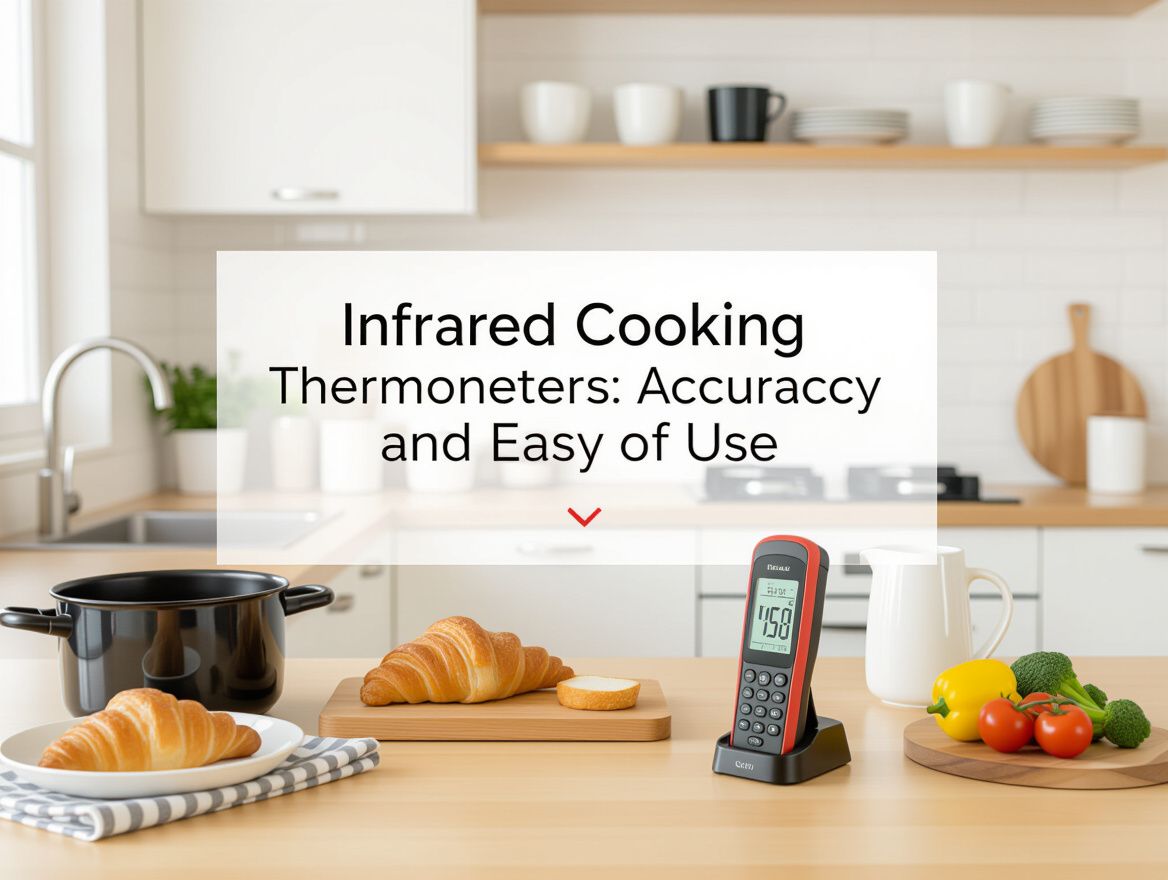
Infrared Cooking Thermometers: Accuracy and Ease of Use
Understanding Infrared Cooking Thermometers
Infrared cooking thermometers are specialized tools designed to measure surface temperatures without direct contact. These devices utilize infrared technology to detect heat emitted from an object, providing quick and accurate readings that are essential in culinary environments. Home cooks and culinary enthusiasts often turn to infrared thermometers for their efficiency and precision, particularly when preparing dishes that require exact temperature control.
The importance of accuracy in cooking cannot be overstated; improper temperatures can lead to undercooked or overcooked food, affecting both safety and quality. Infrared thermometers excel in this regard, offering several advantages:
- Instant Readings: Infrared thermometers provide temperature readings in seconds, allowing for quick adjustments during cooking.
- Surface Measurement: They are particularly useful for measuring the temperature of surfaces such as frying pans, griddles, and even the exterior of meats, ensuring optimal cooking conditions.
- Versatility: These tools can be used in various cooking methods, from grilling and frying to baking, making them a valuable addition to any kitchen.
However, it's important for buyers to consider certain trade-offs and limitations. Infrared thermometers measure surface temperatures only and may not accurately reflect the internal temperature of foods, which is crucial for safety in meat cooking. Additionally, environmental factors such as steam or smoke can affect readings, so understanding the specific use-case fit is essential.
In summary, infrared cooking thermometers offer notable advantages in terms of speed and accuracy, making them a practical choice for those looking to elevate their cooking precision.
Key Features to Look For
When selecting an infrared cooking thermometer, it’s important to consider specific features that enhance usability and accuracy. Here are essential criteria to evaluate:
-
Temperature Range: Look for a thermometer with a wide temperature range to accommodate various cooking needs, from searing meats to checking the doneness of baked goods. A broader range allows for more versatility in different cooking scenarios.
-
Response Time: Fast response times are crucial for effective cooking. Ideally, choose a model that provides readings in seconds. This feature helps you avoid overcooking or undercooking by allowing quick checks during the cooking process.
-
Laser Accuracy: Infrared thermometers typically use lasers to pinpoint the measurement area. Ensure the model you choose has a reliable laser guide that indicates the exact spot being measured. This improves accuracy and reduces the risk of misreading temperatures.
-
Display Readability: A clear, easy-to-read display is essential, especially in a busy kitchen. Look for models with backlit screens or large fonts that provide visibility even in low-light conditions. This feature ensures you can quickly and easily check temperatures without straining your eyes.
By focusing on these key features, you can select an infrared cooking thermometer that meets your cooking requirements and enhances your culinary experience.
Advantages Over Traditional Thermometers
Infrared cooking thermometers offer several distinct advantages compared to traditional thermometers, making them a valuable tool for home cooks and culinary enthusiasts. Here are the main benefits to consider:
-
Speed of Measurement: Infrared thermometers provide instant temperature readings, allowing you to check the heat of your food without any waiting time. This rapid response is particularly beneficial when cooking multiple items simultaneously or when precise timing is crucial.
-
Non-Contact Usage: One of the standout features of infrared thermometers is their ability to measure temperature from a distance. This non-contact method means you can avoid cross-contamination and minimize the risk of burns, especially when dealing with hot surfaces or liquids.
-
Safety and Convenience: Infrared thermometers enhance safety in the kitchen by eliminating the need to insert a probe into food, which can sometimes lead to splattering or spills. Their ease of use allows for quick checks of surface temperatures, ensuring that your dishes are cooked properly without the hassle of traditional methods.
While infrared cooking thermometers excel in speed and safety, it's essential to consider their limitations. They are generally best for surface temperatures and may not accurately reflect the internal temperature of thick cuts of meat or dense dishes. Understanding these trade-offs will help you make an informed decision about incorporating this tool into your cooking routine.
Potential Risks and Limitations
While infrared cooking thermometers offer numerous advantages, it's essential to recognize their limitations and potential risks when integrating them into your culinary toolkit. Understanding these factors can help you make informed decisions about their use in your cooking practices.
-
Surface Temperature vs. Internal Temperature: Infrared thermometers are designed to measure surface temperatures only. This means they cannot provide accurate internal temperature readings, which are crucial for ensuring food safety, especially when cooking meats. Relying solely on surface measurements can lead to undercooked or unsafe food.
-
Not Suitable for All Cooking Methods: These thermometers shine in certain scenarios, such as frying or grilling, but may not be the best choice for methods that require internal temperature readings, like slow-roasting or baking. For these methods, a different type of thermometer might be more appropriate.
-
Need for Calibration: To maintain accuracy, infrared thermometers require periodic calibration. Environmental factors, such as ambient temperature and humidity, can affect readings. Regularly checking and calibrating your thermometer can help mitigate these risks, but it is an additional step that users must remember.
In summary, while infrared cooking thermometers can significantly enhance your cooking accuracy and efficiency, they come with specific limitations that need to be considered. Understanding these risks ensures you can use them effectively and safely in your kitchen.
Frequently Asked Questions
Understanding the practical aspects of infrared cooking thermometers can help you make informed decisions. Here are some common questions that can clarify their usage and maintenance.
What cooking scenarios are infrared thermometers best suited for?
Infrared cooking thermometers are particularly effective in scenarios where surface temperature measurement is critical. These include:
- Grilling and Frying: Quickly measure the temperature of cooking surfaces to ensure optimal heat levels.
- Baking: Check the temperature of ovens or baking stones without opening the oven door, which can disrupt cooking conditions.
- Candy Making: Ideal for monitoring the temperature of sugar mixtures where precision is crucial for achieving the desired results.
How do I maintain my infrared cooking thermometer?
Proper maintenance ensures longevity and accuracy. Here are some tips:
- Keep the Lens Clean: Regularly wipe the lens with a soft cloth to prevent residue buildup that can affect readings.
- Calibrate Periodically: Some thermometers may require calibration to ensure accuracy. Refer to the manufacturer's guidelines for specific calibration instructions.
- Store Safely: Keep the device in a protective case or pouch when not in use to prevent damage.
Are there any safety concerns with using infrared thermometers?
While infrared thermometers are generally safe, there are a few considerations to keep in mind:
- Do Not Point at Eyes: The laser used in many infrared thermometers can be harmful if directed at the eyes. Always ensure the laser is pointed away from people.
- Surface Limitations: Remember that these thermometers measure surface temperatures only. For food safety, particularly with meats, it’s important to use a probe thermometer for internal temperature verification to ensure food is cooked safely.
By understanding these aspects, you can better appreciate the value and practicality of infrared cooking thermometers in your culinary endeavors.
Making an Informed Decision
When considering the purchase of an infrared cooking thermometer, it’s essential to weigh both the advantages and potential risks associated with these devices. Their ability to provide quick, accurate surface temperature readings can significantly enhance your cooking precision, especially when preparing dishes that require careful temperature management. However, understanding the limitations is equally important.
Key Advantages
- Speed and Convenience: Infrared thermometers deliver immediate readings, allowing for swift adjustments in cooking without the need to pause or interrupt the process.
- Surface Temperature Measurement: Ideal for checking the temperature of cooking surfaces, these thermometers help ensure that your pans or grills are at the right temperature before adding food.
- Versatility: Suitable for a range of cooking methods, infrared thermometers can be used for grilling, frying, baking, and even candy-making.
Considerations and Risks
- Surface vs. Internal Temperature: While they excel at measuring surface temperatures, infrared thermometers do not provide internal temperature readings, which are crucial for ensuring meats are cooked safely.
- Environmental Interference: Factors like steam, smoke, or reflective surfaces can affect accuracy, making it important to use these devices in optimal conditions.
Personal Cooking Needs
As you contemplate your purchase, consider your specific cooking style and needs. If you frequently work with meats or require precise internal temperature readings, you may need to complement an infrared thermometer with another type of cooking thermometer. Conversely, if you primarily need quick surface readings, an infrared model could be an excellent fit.
Ultimately, choosing the right infrared cooking thermometer involves understanding both its capabilities and limitations. By aligning your choice with your cooking requirements, you can enhance your culinary experience while minimizing the risk of inaccurate readings.
More in Cooking Thermometers
View All