Choosing the Right Digital Cooking Thermometer: A Buyer’s Guide
Understanding Digital Cooking Thermometers
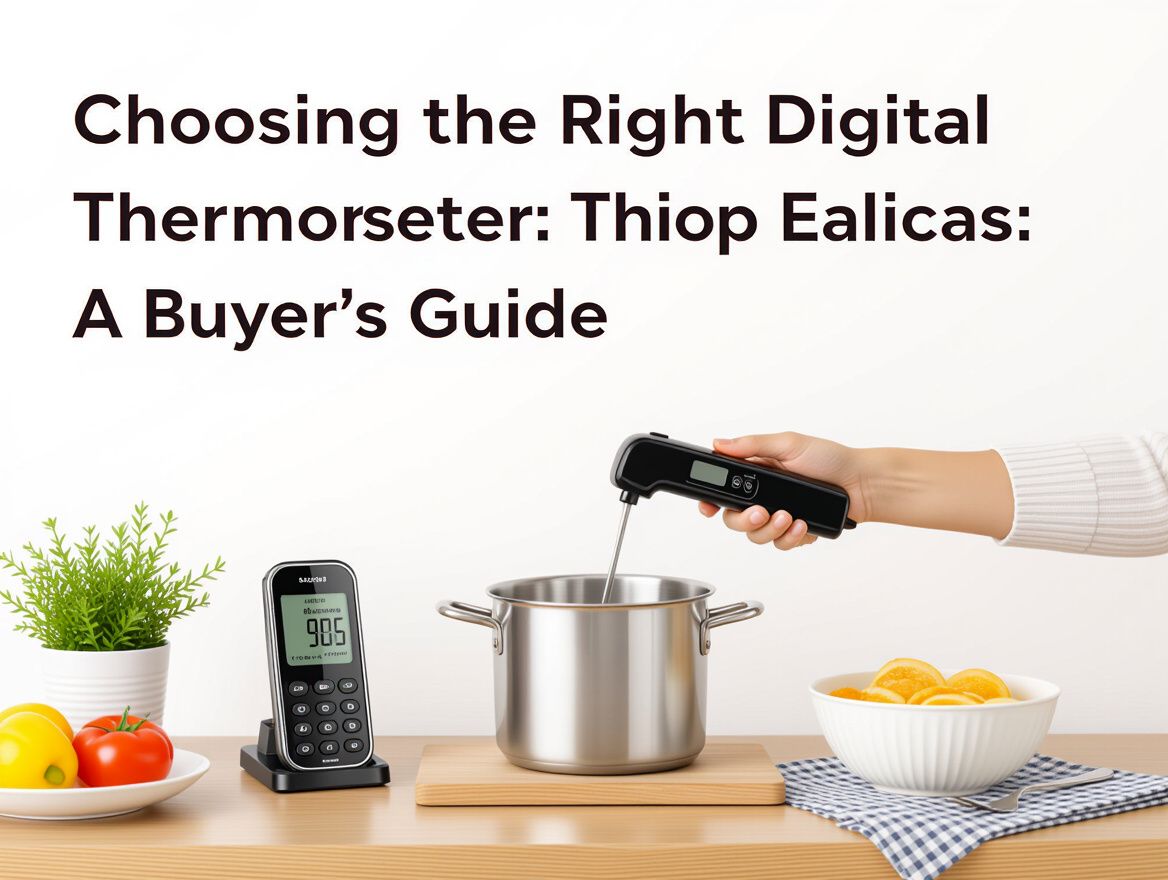
Digital cooking thermometers are essential tools for achieving precise temperature measurements in various cooking methods. These devices utilize electronic sensors to provide quick and accurate readings, making them invaluable for home cooks and culinary enthusiasts aiming for perfect results.
The importance of digital cooking thermometers lies in their ability to ensure food safety and enhance flavor. By accurately measuring temperatures, they help prevent undercooking or overcooking, which can lead to foodborne illnesses or undesirable textures. Whether you're roasting a turkey, grilling steak, or baking bread, having a reliable thermometer can significantly improve your culinary outcomes.
Key Considerations for Buyers:
- Accuracy: Look for thermometers that offer precise readings, as this is crucial for both safety and quality.
- Speed: Instant-read options are ideal for quick checks, while probe thermometers can monitor temperatures over time.
- Ease of Use: Consider user-friendly features like backlit displays and simple interfaces, especially if you're new to cooking.
- Durability: A thermometer should withstand kitchen conditions, so check for robust designs and materials.
Understanding these aspects will help you choose the right digital cooking thermometer that fits your cooking style and needs.
Key Features to Consider
When selecting a digital cooking thermometer, understanding its features is crucial for achieving precise cooking results. Here’s a checklist of essential specifications to evaluate:
-
Temperature Range: Ensure the thermometer covers a wide temperature range suitable for your cooking needs. Most digital thermometers should measure from at least 32°F (0°C) to 572°F (300°C) to accommodate various cooking methods.
-
Response Time: Look for a thermometer with a quick response time, ideally under 5 seconds. Faster readings help prevent overcooking and maintain food quality.
-
Accuracy: Check the accuracy rating, which is typically indicated in degrees. A thermometer should have an accuracy of ±1°F (±0.5°C) for reliable results, especially when cooking meats.
-
Display Options: Consider the visibility of the display. Backlit screens or large, easy-to-read digits are beneficial for use in low-light conditions, while models with rotating displays offer versatility in reading angles.
-
Battery Life: Assess the battery life, as frequent replacements can be inconvenient. Look for models with long-lasting batteries or features like auto shut-off to conserve energy.
By prioritizing these features based on your cooking style, you can make a more informed decision that aligns with your culinary needs.
Benefits of Digital Over Analog Thermometers
When choosing between digital and analog cooking thermometers, the advantages of digital models are compelling for home cooks and culinary enthusiasts alike. Digital cooking thermometers offer significant benefits that can enhance your cooking experience, ensuring precision and convenience.
-
Speed of Reading: Digital thermometers provide quick temperature readings, often within seconds. This rapid feedback is crucial when you need to monitor cooking progress without opening the oven or grill, which can alter the cooking environment.
-
Ease of Use: Many digital thermometers feature user-friendly interfaces, often with large displays that are easy to read. Some models even have backlit screens for visibility in low-light conditions, making them accessible for any cooking environment.
-
Precision in Cooking: Digital thermometers allow for more accurate temperature readings compared to their analog counterparts. This precision is vital for achieving perfect doneness in meats and ensuring food safety, as even slight variations can impact cooking outcomes.
-
Additional Features: Many digital cooking thermometers come equipped with extra features like timers, alarms, and programmable temperature settings. These functionalities can help streamline your cooking process, allowing you to focus on other tasks while keeping an eye on your food.
While digital thermometers generally offer superior performance, it's essential to consider factors like battery life and potential calibration needs. Understanding these benefits can help you make a more informed decision tailored to your culinary requirements.
Potential Risks and Considerations
When selecting a digital cooking thermometer, it's essential to be aware of potential risks that could impact your cooking experience. Understanding these limitations helps you make a more informed choice aligned with your culinary needs.
-
Battery Dependency: Most digital thermometers rely on batteries, which can die unexpectedly. Regularly check battery levels and keep spare batteries on hand to avoid interruptions during cooking.
-
Calibration Needs: Over time, digital thermometers may lose their accuracy and require recalibration. Users should familiarize themselves with the calibration process, as failure to do so can lead to incorrect temperature readings.
-
Durability Concerns: Digital thermometers can be more fragile than their analog counterparts. Consider the construction materials and whether the thermometer is water-resistant or shockproof, especially if you plan on using it in demanding cooking environments.
-
Common Failure Points: The probe is often the most vulnerable part of a digital thermometer. It can bend, break, or suffer damage from high heat or exposure to moisture. Regular inspection and careful handling can mitigate these risks.
By keeping these considerations in mind, you can select a digital cooking thermometer that best fits your cooking style while minimizing potential drawbacks.
Comparing Different Types of Digital Cooking Thermometers
When it comes to selecting a digital cooking thermometer, understanding the different types available can significantly influence your cooking success. Each type offers unique features, trade-offs, and specific use cases that cater to varying culinary needs.
Instant-Read vs. Probe Thermometers
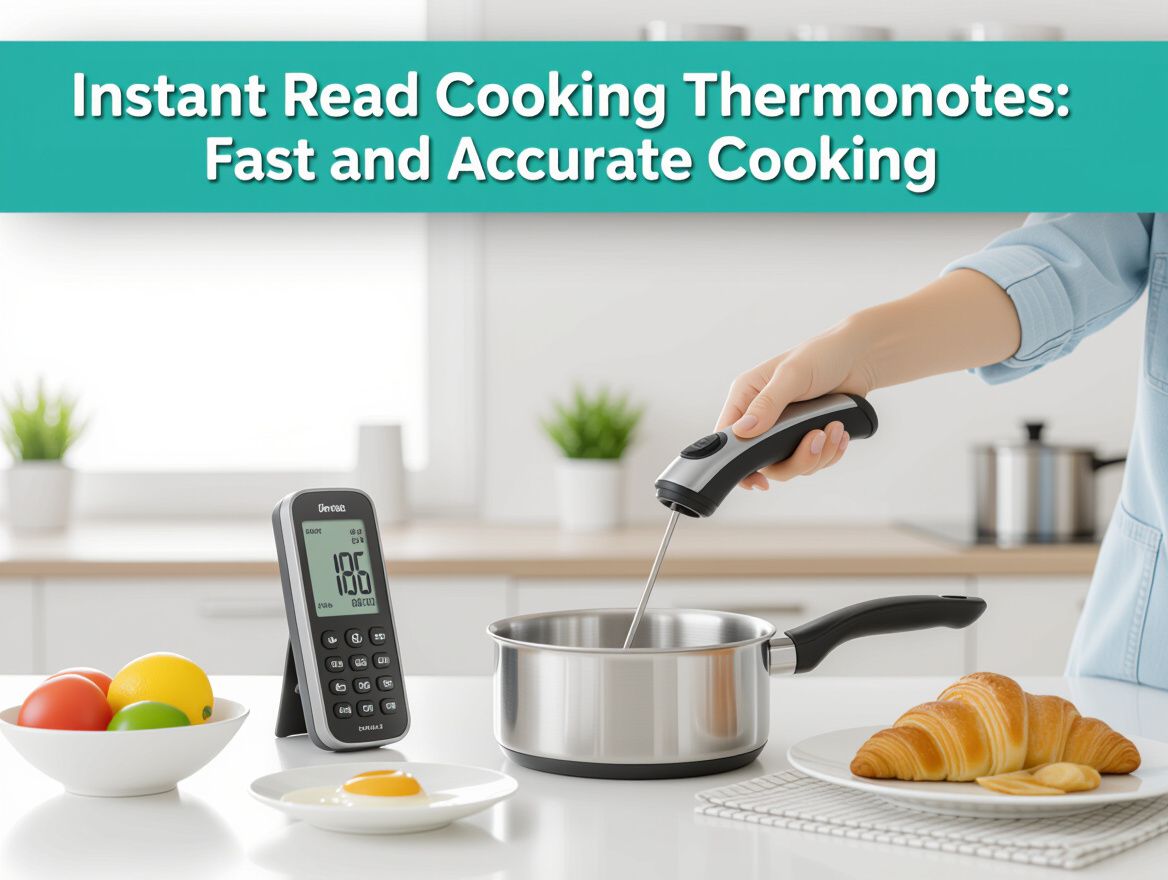
- Instant-Read Thermometers: These are designed for quick temperature checks. They provide readings in seconds, making them ideal for checking doneness on the fly. However, they may not be suitable for prolonged monitoring during cooking.
- Probe Thermometers: These can remain in the food while it cooks, allowing for continuous temperature monitoring. They are excellent for larger cuts of meat or dishes requiring precise cooking times, but they may take longer to provide an initial reading.
Bluetooth-Enabled vs. Traditional Models
- Bluetooth-Enabled Thermometers: These models connect to your smartphone, allowing you to monitor cooking temperatures remotely. They are user-friendly and often come with apps that provide alerts and cooking guides. However, they may require battery changes or charging, and connectivity issues can arise.
- Traditional Thermometers: These do not rely on technology, making them straightforward and reliable. They are often less expensive and don’t require power, but they lack the convenience of remote monitoring and alerts.
Oven-Safe vs. Non-Oven-Safe Models
- Oven-Safe Thermometers: These can be left in the oven while cooking, which is beneficial for roasts or casseroles. They are designed to withstand high temperatures, but you need to ensure the materials are suitable for your specific oven conditions.
- Non-Oven-Safe Thermometers: Typically used for stovetop cooking or grilling, these thermometers are not meant for high-heat environments. They are often more portable and easier to handle but limit your cooking methods.
Considerations for Buyers
- Accuracy and Range: Ensure the thermometer can measure the temperatures you typically work with, from low to high.
- Ease of Reading: Look for models with clear displays and features like backlighting for low-light conditions.
- Calibration: Some thermometers may require calibration to ensure accuracy; check if this is necessary for your selected model.
By weighing these comparisons, you can identify which type of digital cooking thermometer aligns best with your cooking style, preferences, and the specific dishes you prepare.
Frequently Asked Questions
Understanding digital cooking thermometers can help you make informed decisions. Here are answers to some common questions that potential buyers might have:
How do I calibrate my thermometer?
Calibrating your digital cooking thermometer is essential for ensuring accurate readings. To calibrate, fill a glass with ice and water, letting it sit for a few minutes. Insert the thermometer into the ice water without touching the sides of the glass. It should read 32°F (0°C). If it doesn’t, adjust the calibration according to the manufacturer's instructions, which may involve turning a screw or using a digital setting.
What is the best temperature range for cooking meat?
For cooking meat, the ideal temperature range varies depending on the type. Generally, poultry should reach an internal temperature of 165°F (74°C), while ground meats should hit at least 160°F (71°C). Steaks and roasts can be cooked to different levels of doneness, with medium-rare being around 135°F (57°C) and medium at 145°F (63°C). Always refer to food safety guidelines for specific types of meat.
Can I use a digital thermometer in the oven?
Yes, many digital cooking thermometers are designed for oven use, particularly probe models that can remain in the meat while it cooks. However, ensure the thermometer is labeled as oven-safe. Some models may come with a heat-resistant cable that allows for safe monitoring without opening the oven door, which helps maintain consistent cooking temperatures.
These FAQs should clarify your concerns and help you feel more confident in your decision-making process regarding digital cooking thermometers.
Making an Informed Decision
As you finalize your choice in digital cooking thermometers, consider the key features and benefits that align with your cooking style and needs. Digital cooking thermometers enhance precision in temperature measurement, which is vital for achieving consistent results. Their quick response time and accuracy help prevent common cooking pitfalls, such as undercooked meat or overbaked pastries.
When evaluating your options, reflect on your individual cooking habits:
- Type of Cooking: Are you primarily grilling, baking, or slow-cooking? Different methods may require specific thermometer features, such as probe length or temperature range.
- Frequency of Use: If you cook frequently, investing in a more durable model with advanced features may be worthwhile. For occasional use, simpler models could suffice.
- Ease of Maintenance: Consider how easy it is to clean and store the thermometer. Some models are more user-friendly than others, which can enhance your cooking experience.
Ultimately, accuracy in cooking is not just about achieving the right temperature; it also plays a crucial role in food safety and quality. A reliable digital cooking thermometer can be a game-changer in your kitchen, boosting your confidence in preparing a variety of dishes.
More in Cooking Thermometers
View All