Understanding Cooking Thermometers: The Basics You Need to Know
What Are Cooking Thermometers and Why You Need One
Cooking thermometers are essential kitchen tools designed to measure the internal temperature of food, ensuring that it is cooked safely and to perfection. Whether you're roasting meat, baking bread, or frying oil, achieving the right temperature is critical for both flavor and food safety.
Significance in Cooking
Using a cooking thermometer helps prevent undercooking or overcooking, which can lead to foodborne illnesses or unsatisfactory meals. Precise temperature readings allow home cooks and culinary enthusiasts to:
- Ensure Food Safety: Cooking food to the appropriate internal temperature kills harmful bacteria.
- Enhance Flavor and Texture: Proper cooking times and temperatures can improve the overall quality of your dishes.
- Achieve Consistency: A cooking thermometer helps replicate successful recipes by providing accurate measurements.
Types of Cooking Thermometers
There are several types of cooking thermometers available, each suited for different cooking methods and preferences:
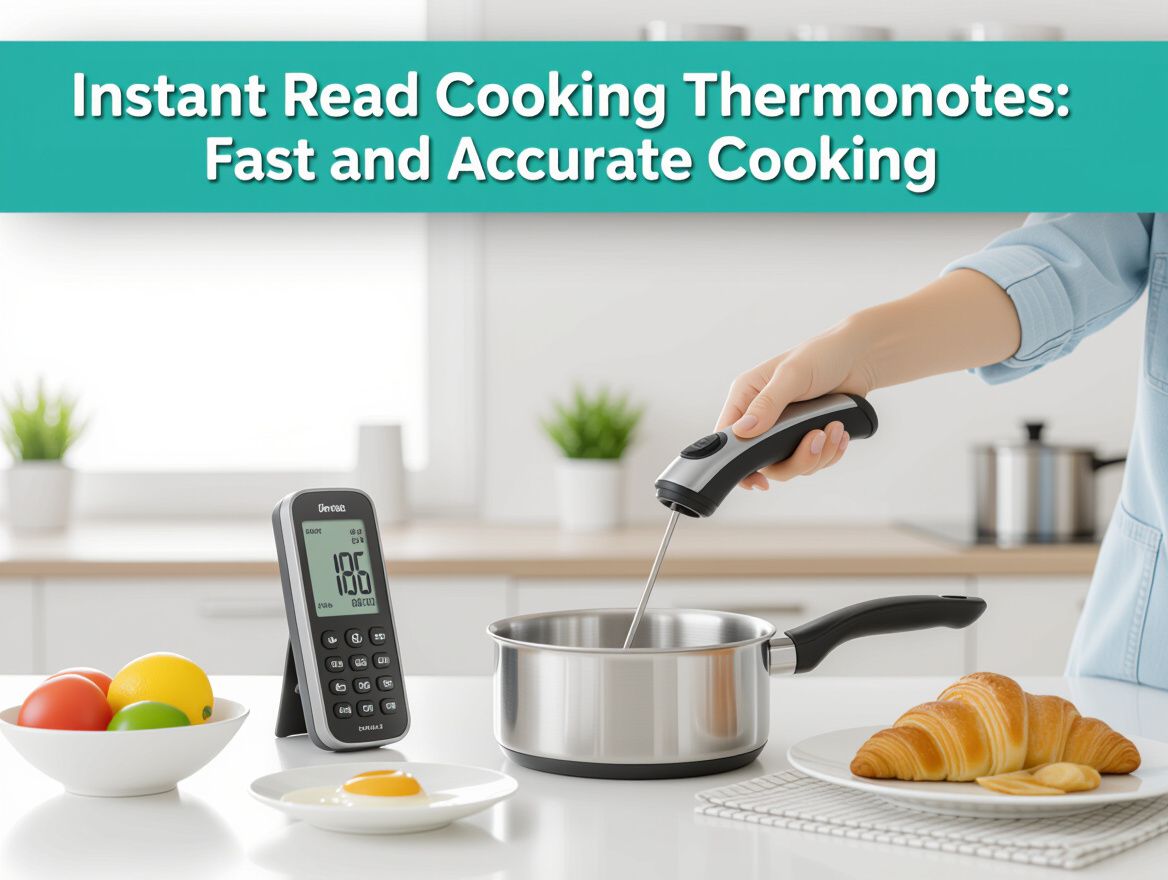
- Digital Thermometers: Quick and easy to read, often featuring instant-read capabilities.
- Analog Thermometers: Traditional dial thermometers that do not require batteries but may take longer to register temperatures.
- Infrared Thermometers: Ideal for surface temperature readings, particularly useful in frying or grilling.
- Probe Thermometers: Designed to stay in the food during cooking, providing continuous temperature readings.
By understanding the purpose and importance of cooking thermometers, you can make informed decisions that enhance your culinary endeavors.
Key Features to Consider When Choosing a Cooking Thermometer
Selecting the right cooking thermometer can significantly enhance your culinary experience. To make an informed decision, consider the following essential features:
-
Temperature Range: Check the thermometer's temperature range to ensure it meets your cooking needs. Some dishes require precise temperature control, especially when dealing with meats or delicate pastries.
-
Response Time: Fast response times are crucial for maintaining the integrity of your dish. Look for thermometers that provide readings within seconds, allowing you to make quick adjustments as needed.
-
Display Type (Digital vs. Analog): Digital thermometers typically offer easier reading and more features, such as backlighting and preset temperatures. Analog thermometers, while sometimes more durable, can be harder to read accurately at a glance.
-
Calibration and Accuracy: Ensure the thermometer can be calibrated for precise readings. Some models come pre-calibrated, while others may require manual adjustments over time. Accuracy is vital for food safety and achieving the desired results.
-
Durability and Ease of Cleaning: Consider materials used in the thermometer's construction. Stainless steel probes are generally more durable and easier to clean than plastic ones. Additionally, look for models that are water-resistant or designed for easy disassembly.
By evaluating these features, you can narrow down your options and select a cooking thermometer that best fits your culinary needs while minimizing risks associated with inaccurate readings or poor durability.
Understanding Different Types of Cooking Thermometers
When it comes to selecting the right cooking thermometer, understanding the various types available is crucial. Each type serves specific purposes and comes with its own set of advantages and limitations. Here’s a breakdown of the most common types of cooking thermometers:
Instant-Read Thermometers
- Application: Best for quickly checking the temperature of meats, casseroles, and baked goods.
- Benefits: Provides fast readings (usually within seconds), making it ideal for home cooks who need immediate feedback.
- Considerations: Instant-read thermometers are not suitable for continuous monitoring since they only provide a snapshot of the temperature at a single point in time.
Probe Thermometers
- Application: Designed for longer cooking times, ideal for roasts or slow-cooked dishes.
- Benefits: Can be left in the food while cooking, allowing for constant temperature monitoring without opening the oven or grill.
- Considerations: Ensure that the probe is oven-safe and check the length to ensure it fits your cooking vessel.
Infrared Thermometers
- Application: Useful for measuring surface temperatures of food, particularly in frying and grilling.
- Benefits: Non-contact measurement means you can check temperatures without touching the food, reducing contamination risks.
- Considerations: Infrared thermometers do not measure internal temperatures, making them less suitable for meats where core temperature is critical.
Oven-Safe Thermometers
- Application: Ideal for dishes that require prolonged cooking in the oven.
- Benefits: These thermometers can remain in the oven throughout the cooking process, providing a consistent reading.
- Considerations: Check for heat resistance and ensure it can withstand the temperatures involved in your cooking methods.
Smart Thermometers
- Application: Integrates with mobile devices for remote monitoring of cooking progress.
- Benefits: Offers features like alerts for temperature changes and cooking time estimates, enhancing convenience for busy cooks.
- Considerations: Requires a power source or battery, and the reliance on technology may not suit everyone’s preferences.
Key Takeaways
- Fit for Purpose: Choose a thermometer based on your cooking style and the types of dishes you prepare most frequently.
- Trade-offs: Consider what you prioritize—speed, ease of use, or advanced features—while weighing the limitations of each type.
- Risk Awareness: Understand that improper use can lead to inaccurate readings, which may affect the safety and quality of your food.
By evaluating these different types of cooking thermometers, you can make a more informed decision that aligns with your culinary needs and preferences.
Potential Risks and Limitations of Cooking Thermometers
While cooking thermometers are invaluable tools in the kitchen, users must be aware of certain risks and limitations that can affect their performance and reliability. Understanding these factors can help home cooks and culinary enthusiasts make informed decisions and use thermometers effectively.
Common User Errors
Inaccurate readings often stem from user errors, which can include:
- Incorrect Placement: Inserting the thermometer in the wrong part of the food (e.g., touching bone or fat) can lead to misleading temperature readings.
- Insufficient Wait Time: Not allowing the thermometer to stabilize before reading can result in an inaccurate measurement.
- Failing to Clean: Not sanitizing the thermometer between uses can lead to cross-contamination, affecting food safety.
Material Concerns
The materials used in cooking thermometers can also pose risks, particularly at high temperatures:
- Plastic Components: Some thermometers may contain plastic parts that can warp or melt when exposed to high heat, compromising their integrity and accuracy.
- Glass Thermometers: While they can offer precise readings, glass thermometers are fragile and can break, presenting a safety hazard.
Calibration Issues
Thermometers can lose their accuracy over time, necessitating regular calibration:
- Temperature Drift: If a thermometer is not calibrated periodically, it may provide readings that are consistently off, leading to potential food safety risks.
- Environmental Factors: Exposure to extreme temperatures or moisture can affect the calibration of thermometers, particularly analog models.
By being aware of these risks and limitations, users can take proactive steps to ensure they are using cooking thermometers correctly and safely, ultimately enhancing their culinary experiences.
Frequently Asked Questions About Cooking Thermometers
As you consider purchasing a cooking thermometer, you might have some common questions regarding their use and maintenance. Here are answers to help you make informed decisions.
How do I calibrate my cooking thermometer?
Calibrating your cooking thermometer ensures accurate readings. To calibrate:
- Ice Water Method: Fill a glass with ice and water, let it sit for a few minutes, then insert the thermometer. It should read 32°F (0°C). If it doesn’t, adjust according to the manufacturer’s instructions.
- Boiling Water Method: In boiling water, the thermometer should read 212°F (100°C). Again, adjust if necessary.
Regular calibration helps maintain accuracy, especially if the thermometer has been dropped or exposed to extreme temperatures.
What is the best way to clean my thermometer?
Cleaning your thermometer properly is crucial for food safety. Follow these steps:
- After each use, wash the probe in warm, soapy water.
- Avoid submerging the entire thermometer in water unless specified by the manufacturer.
- For thorough sanitation, use a solution of 1 tablespoon of unscented liquid chlorine bleach in 1 gallon of water. Wipe the probe with this solution, then rinse with water.
Keeping your thermometer clean prevents cross-contamination and maintains its longevity.
Can I leave a thermometer in the oven while cooking?
It depends on the type of thermometer:
- Probe Thermometers: Yes, these are designed to remain in the food while cooking, allowing for continuous temperature monitoring.
- Digital and Analog Thermometers: Generally, these should not be left in the oven unless they are specifically designed for that purpose, as heat can damage them.
Always check the manufacturer's guidelines for safe usage to avoid damaging your thermometer.
What temperature should meat be cooked to for safety?
Knowing the safe cooking temperatures for different types of meat is essential to prevent foodborne illnesses. Here are some general guidelines:
- Poultry (chicken, turkey): 165°F (74°C)
- Ground meats (beef, pork, lamb): 160°F (71°C)
- Beef, pork, lamb (steaks, roasts): 145°F (63°C) with a rest time of 3 minutes
- Fish: 145°F (63°C)
Using a cooking thermometer to check these temperatures helps ensure that your meat is safe to eat while retaining its flavor and moisture.
Making an Informed Decision on Cooking Thermometers
Choosing the right cooking thermometer can significantly impact your culinary outcomes. As you evaluate your options, consider the following key points to ensure your selection aligns with your cooking needs.
-
Essential Features: Focus on features such as temperature range, response time, and display type. These factors can affect how effectively the thermometer meets your cooking requirements. For instance, a thermometer with a wide temperature range is beneficial for various cooking methods, while a rapid response time ensures you can adjust your cooking promptly.
-
Assess Personal Cooking Needs: Reflect on the types of dishes you frequently prepare. If you often cook meats, a probe thermometer that remains in the food during cooking may be ideal. Conversely, if you enjoy frying or grilling, an infrared thermometer could provide quick and accurate surface temperature readings.
-
Trade-offs and Limitations: Each type of thermometer comes with its own set of pros and cons. Digital models offer quick readings but may require batteries, while analog models do not but can be slower. Understanding these trade-offs will help you select a thermometer that fits your cooking style and preferences.
-
Risks and Considerations: Be aware of potential inaccuracies or limitations associated with certain thermometers. For example, infrared thermometers may not provide accurate readings for thick cuts of meat, and probe thermometers need to be properly calibrated to ensure reliability.
Investing in a reliable cooking thermometer is a step toward enhancing your kitchen skills and ensuring food safety. By weighing the features, assessing your needs, and understanding the trade-offs, you can make a confident choice that elevates your cooking experience.
More in Cooking Thermometers
View All